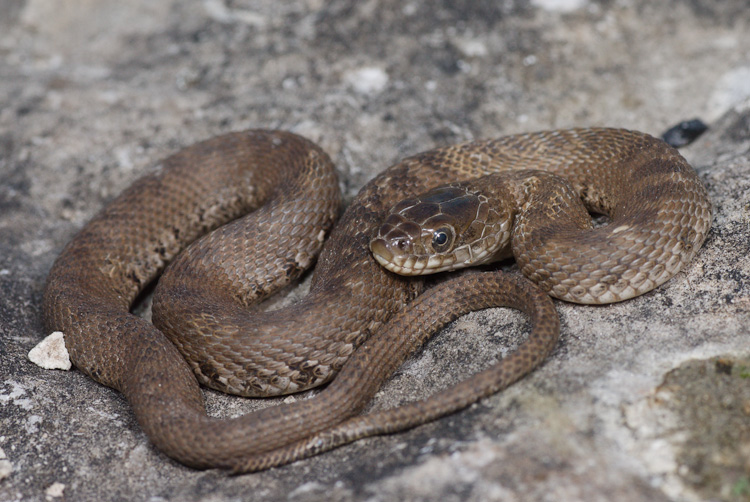
I usually don't get all excited about subspecies, especially crappy ones based on a color phase, but the Lake Erie Water Snake, Nerodia sipedon insularum, is kind of an interesting beastie.
They are federally threatened, and only occur on a few of the islands in Lake Erie off the coast of Ohio and Canada. Once at the brink of "extinction", due to concerted and heroic efforts in raising public education and awareness, as well as the introduction of a nonnative fish, they have rebounded with gusto and are now up for federal delisting.
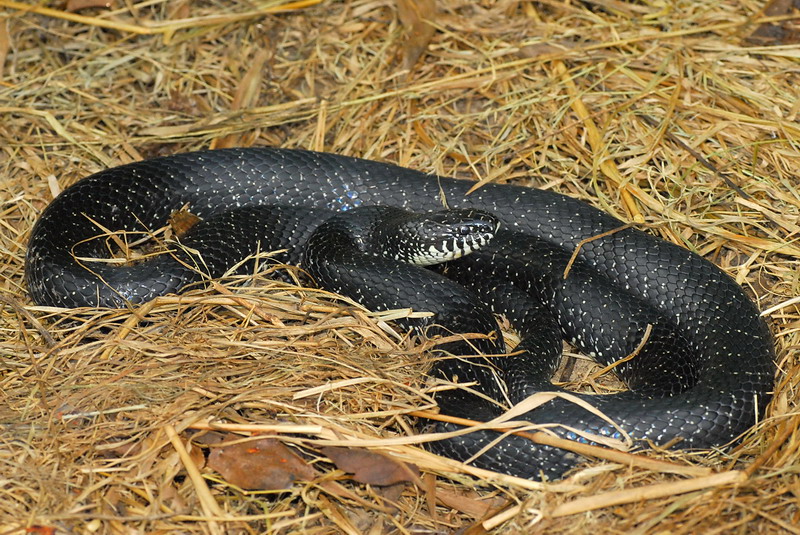
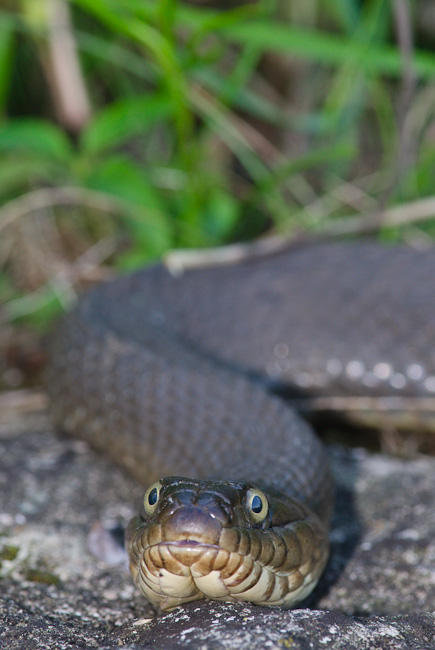
So how do you know if you have seen one? Just find an ugly water snake on one of the islands. Theoretically, they have a darker, more uniform color, but protection status is strictly based on the location of the animal. You will find they actually come in all different colors and patterns. Yeah I told you they were bogus.
Bogus and cool.
Lake Erie Water Snake Nerodia sipedon insularum
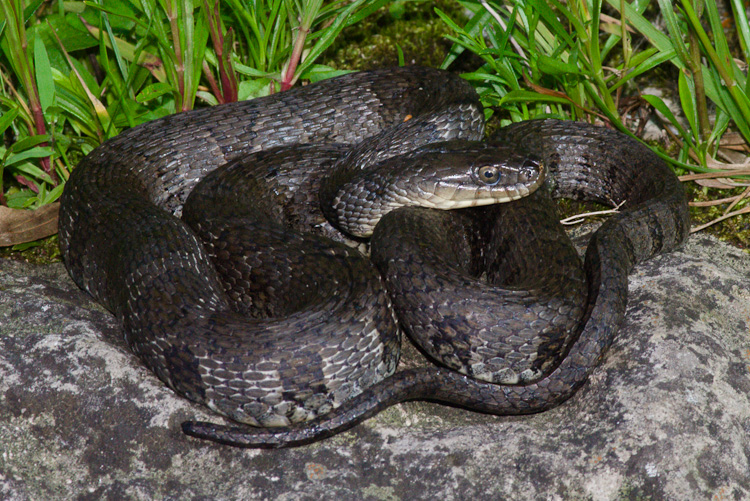
While not a "classic" insularum, it is a darn good looking snake. At least for stinky Nerodia.
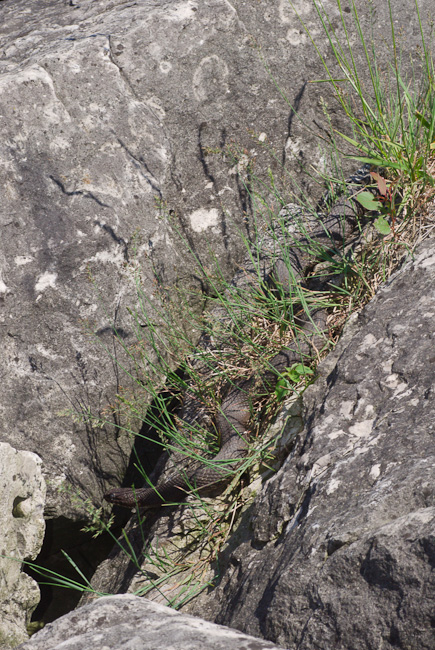
So if you happen to make it out to one of the western Lake Erie islands, keep your eyes peeled for an insularum. You might even end up face to face with one.
BH
(you can all stop being shocked that buckeyeherper actually decided to post some Ohio herps for once...)
Tuesday, June 29, 2010
Thursday, June 24, 2010
Speaking of Bothrops
When I last spoke to my brother, he complained that I never explained to him the nasty reputation of Bothrops. I will actually argue all of my experiences have been very positive and even lucky. I found them to be rather likeable, except for when you are stupid enough to mess with them (which I do not recommend).
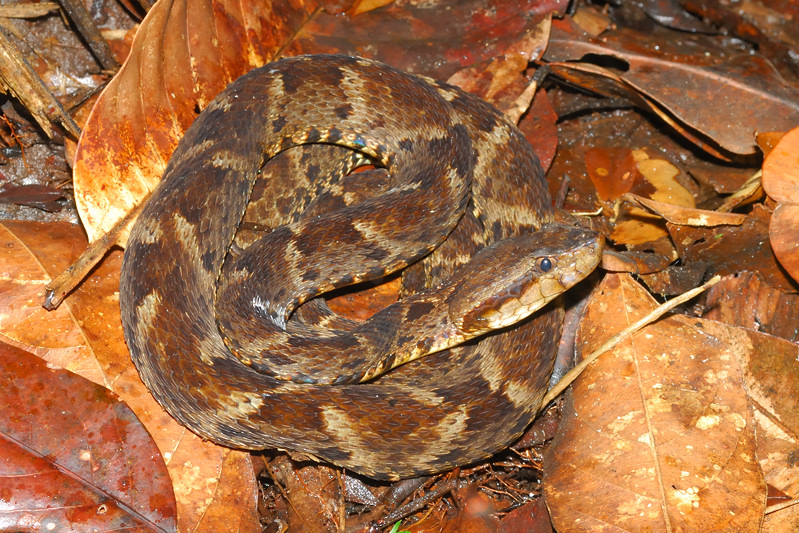
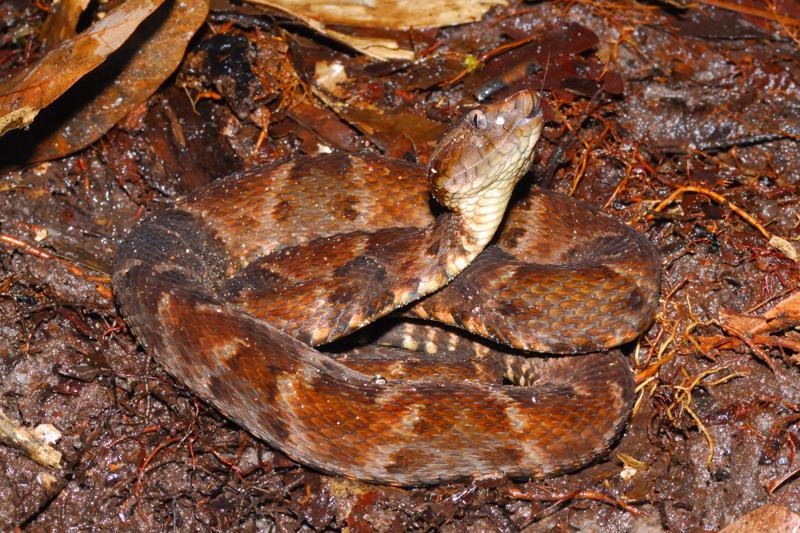
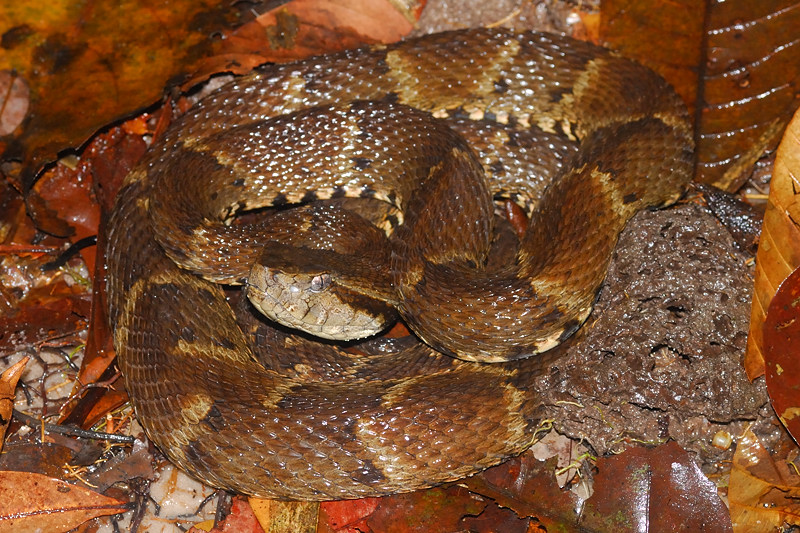
Bothrops are a genus of Central and South American pitvipers that have a number of representative species. The most well known of these, the fer-de-lance or terciopelo, is common throughout central america and northern south america. They can be large, agressive snakes with potent venom. Data suggests they are responsible for more deaths in the western hemisphere than any other snake.
Bothrops atrox that was found after it crawled out from between my legs.
Bothrops atrox found when our group stopped to photograph the above mentioned snake, curled up in the path, an inch from the last persons boot. Yes we all walked right over it.
Bothrops atrox found alongside a trail during the day. This snake was perfectly content to leave us alone, until we decided to bag it for measurements and samples. The only snake that has made me uncomfortable to this day...
And a couple reasons to fear Bothrops...
Ahh Brasil...
Wednesday, June 23, 2010
Some New Blood!
My brother is currently spending 2 months in Costa Rica working on some herp research. He was looking for a way to upload images to share with friend and family, so I offered to add him as an author. Hopefully, we will take me up on it and start posting some of his adventures.
You may remember him from some posts last summer.
Start posting some Bothrops!
BH
You may remember him from some posts last summer.
Start posting some Bothrops!
BH
Tuesday, June 8, 2010
A New Era Begins
If you are interested in reptiles, amphibians, wonderful pictures and a little taste of drama, then I urge you to check out www.fieldherpforum.com.
This excellent forum has been instrumental in my growth as a herper and has introduced me to many new species and places across the world, that I might have never known existed. I have also met some wonderful people via the forum.
It recently had a set back, including the loss of hundreds of thousands of posts and is rebuilding from ground zero. The community is rallying to make it bigger and better the second time around.
Don't mind the dust, join in the fun, and get ready for some amazing stories.
BH
This excellent forum has been instrumental in my growth as a herper and has introduced me to many new species and places across the world, that I might have never known existed. I have also met some wonderful people via the forum.
It recently had a set back, including the loss of hundreds of thousands of posts and is rebuilding from ground zero. The community is rallying to make it bigger and better the second time around.
Don't mind the dust, join in the fun, and get ready for some amazing stories.
BH
Saturday, May 15, 2010
The Dark Side of Herping
Most don't find herping to be a glamorous pursuit. The briar, ticks, projectile feces, summer mosquitoes, and reptiles and amphibians themselves are often major deterrents for most. Yet, I find they help to sweeten the taste of success when it comes (and an icy beverage for that matter). But most of these features are not unique to herping. No, the dark side is something altogether different...
I was drawn to the hobby for many reasons, some of which are the picturesque locations, ample time spent in fresh air, and the chance to really get out and stretch your legs. As you really fall prey to the allure animals though, you start realize sometimes you have to sacrifice a small part of the ideals that drew you to the field.
So what am I so cryptically speaking of?
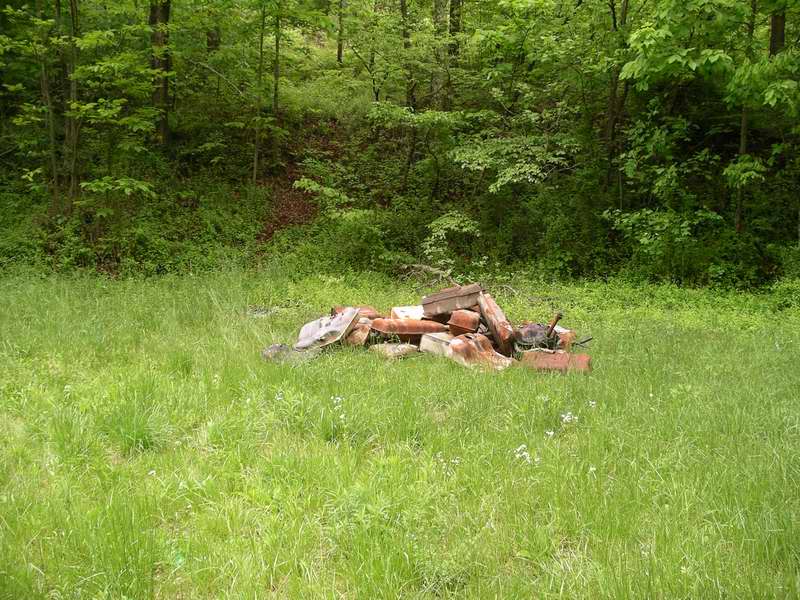
Trash, litter, gas consumption.
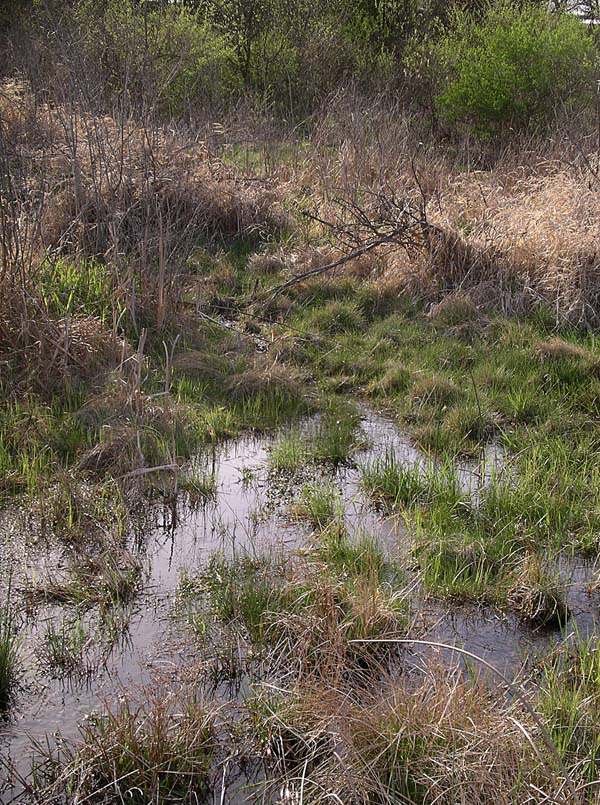
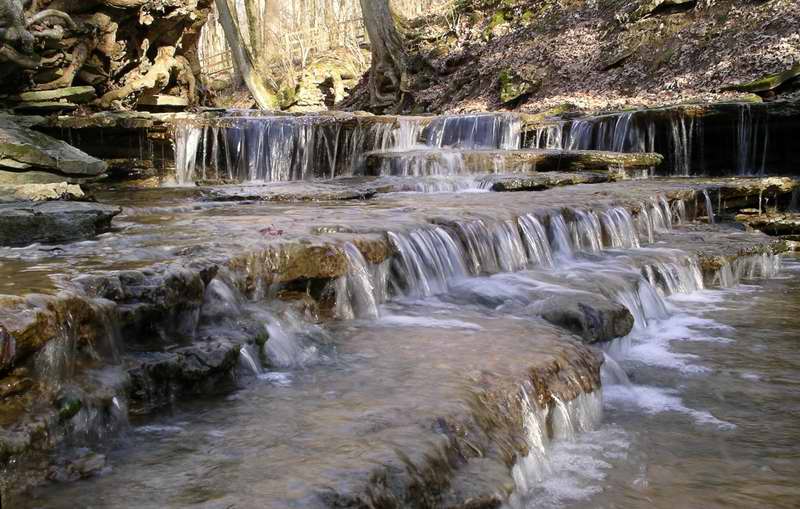
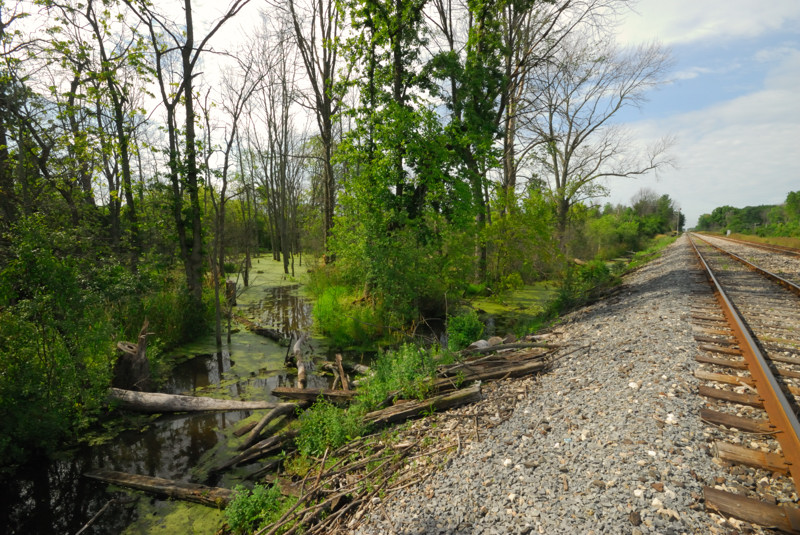
My travels have taken me to some amazing places...


I was drawn to the hobby for many reasons, some of which are the picturesque locations, ample time spent in fresh air, and the chance to really get out and stretch your legs. As you really fall prey to the allure animals though, you start realize sometimes you have to sacrifice a small part of the ideals that drew you to the field.
So what am I so cryptically speaking of?
Trash, litter, gas consumption.
My travels have taken me to some amazing places...
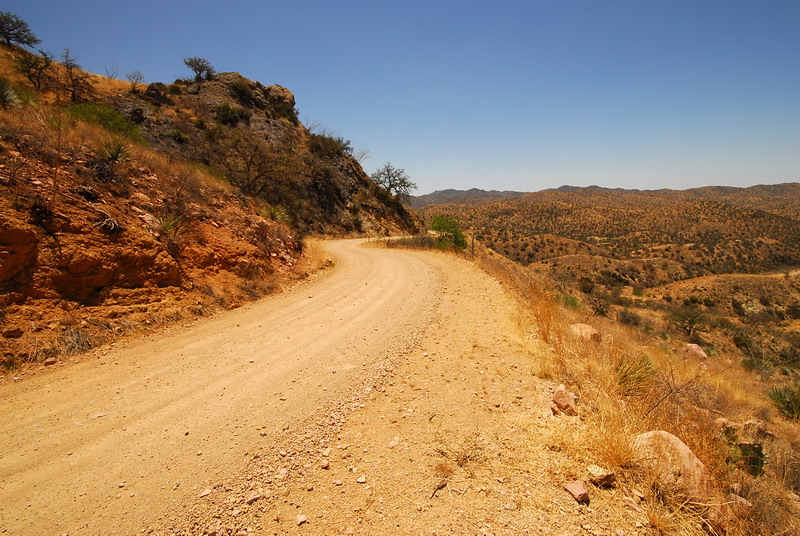
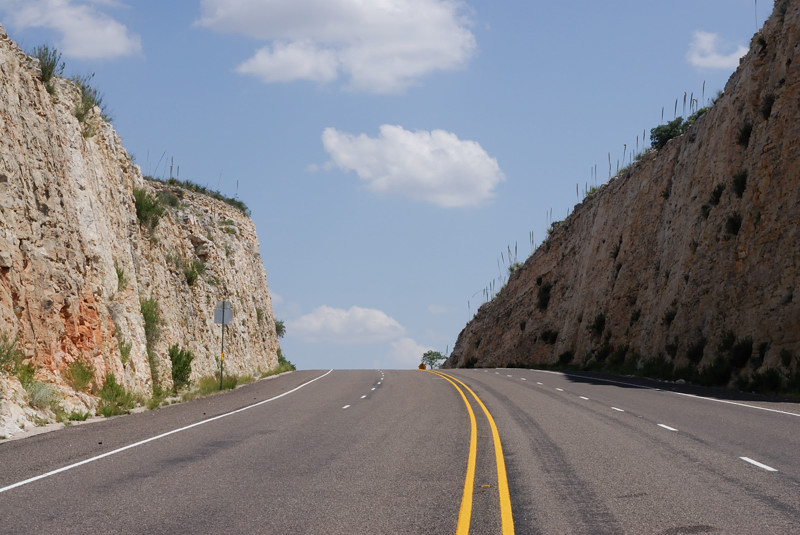
But I would have never found these animals without roads and countless hours spent driving them.
And often the roads themselves take us through some great places.
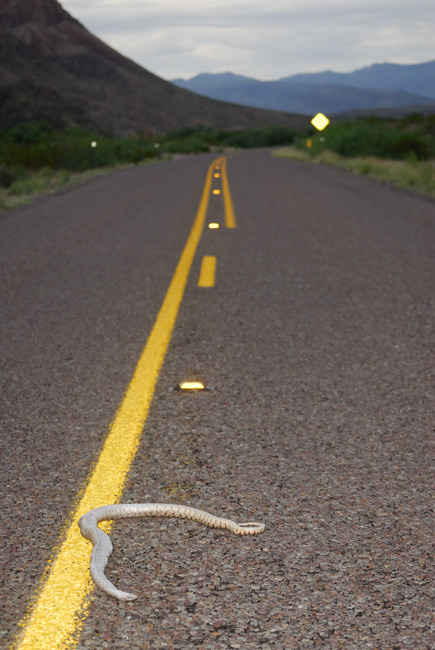
Unfortunately, we see plenty of dead animals.
But I can learn a lot about the animal. I know they occur there, I can get an idea of habitat they utilize, and when fresh, can have an idea of movement patterns.


So while it isn't always glamorous, sometimes when the fever seeps deep into your bones, you will do what it takes to see animals. Roadcruising and flipping tin aren't my favorite aspect of herping, but they produce results and allow you to see animals during times of the day and year when the hunting is otherwise tough.
But most herpers drive these...
So they can do this. (only with permission of course...)
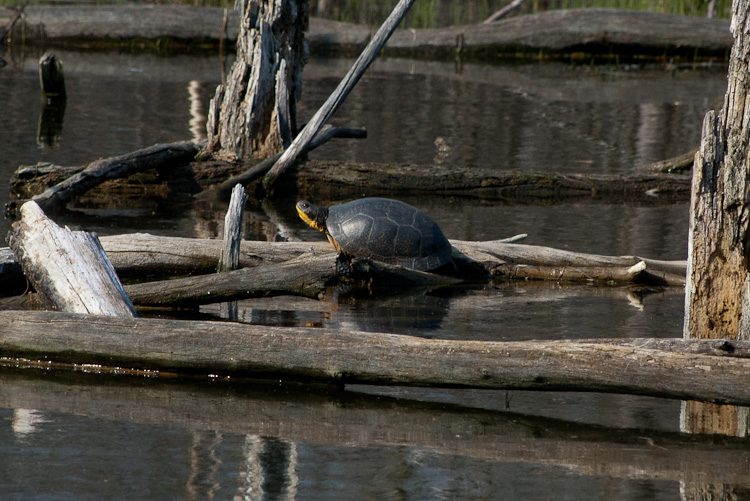
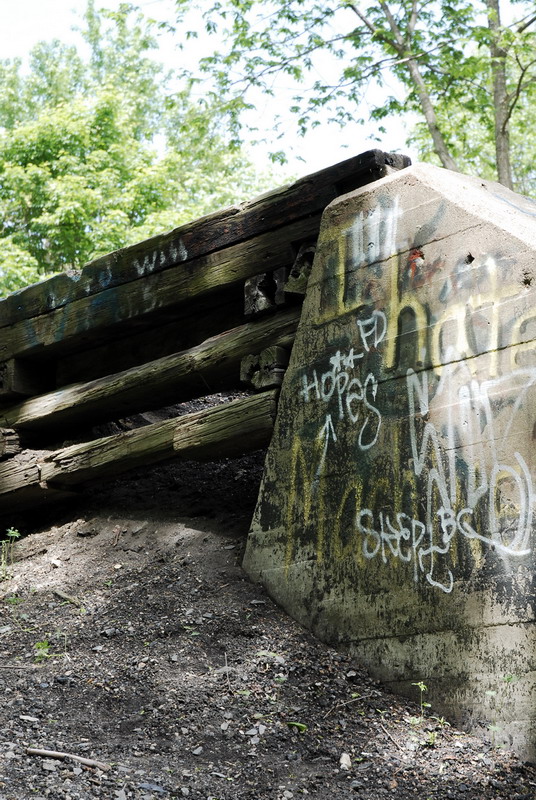
But we spent a lot of time looking for this...
And the trash helps us find these.
So while it isn't always glamorous, sometimes when the fever seeps deep into your bones, you will do what it takes to see animals. Roadcruising and flipping tin aren't my favorite aspect of herping, but they produce results and allow you to see animals during times of the day and year when the hunting is otherwise tough.
So next time you go to clean up your back yard, leave a sheet of tin for the neighborhood ratsnake and always watch the shoulders of the road for any wayward travelers.
BH
Monday, April 26, 2010
Basking Blandings
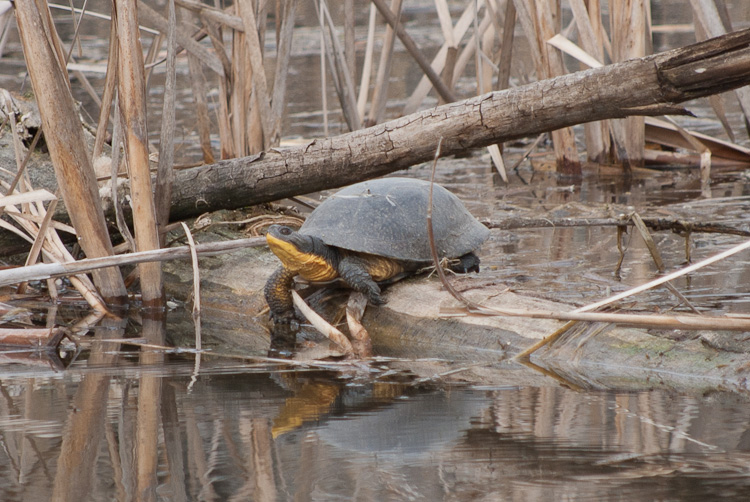
I am always excited to see Blandings turtles. The have been one of the most commonly seen animals this spring, and it seems like every day I am out I see 10+ in the various wetlands I visit. They seem to be holding on in Michigan despite the relentless onslaught of habitat destruction and raccoon predation that await them everyday. Usually I have to drive 30+ minutes to get out of the urban jungle, but I was fortunate enough to find a little park about 15 minutes from our home that seems to have a small population of blandings. Honestly, it looks like there should tons, but I have been happy to see a single blandings on each visit to the area.


BH
See the turtle? The binocs my father got me have greatly improved my turtle spotting ability.
BH
Saturday, April 17, 2010
Wolverine Waterdogs!
Necturus are a fascinating genus, and finding one is enough to make any herpers day.
Shortly after moving to SW Michigan, my buddy Carl had emailed me a newspaper story that was very tantalizing... The Detroit Police dive team had been removing old cars from the Detroit River downtown.
"a moped and -- eventually -- the Buick and a 10-inch mud puppy that crawled from it on shore."
Full story if interested
I had heard reports of Necturus being found along the shore of the Great Lakes, ice fisherman pulling them up in the winter, LE water snakes regurgitating them when caught, etc. But how do you go about actually searching for one in such large bodies of water?
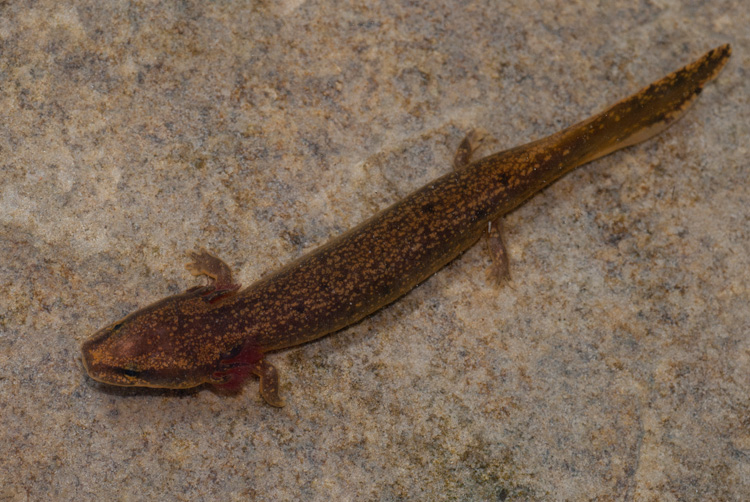
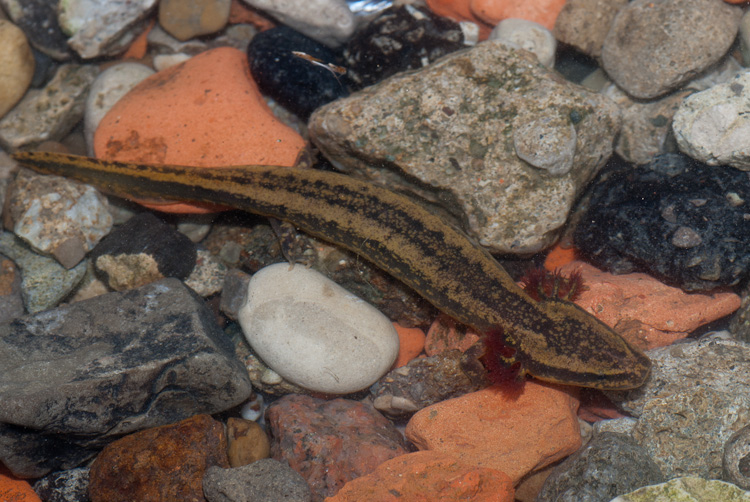
Well, I was lucky enough to find out. We found 6 mudpups in a few hours of searching the 42F water.
Necturus maculosus


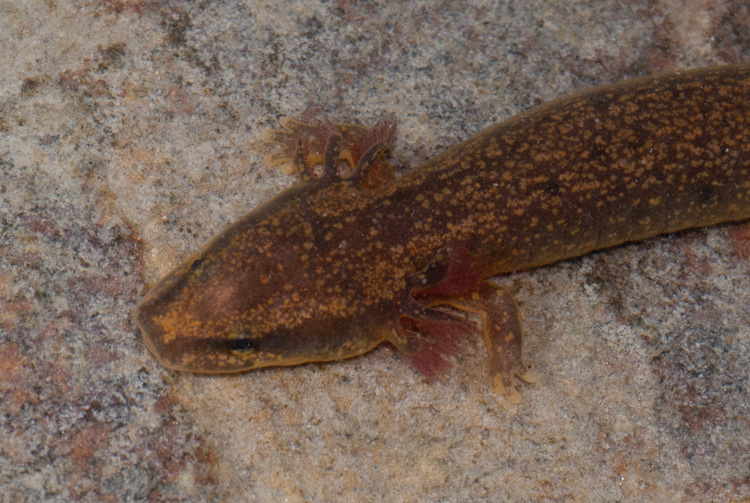
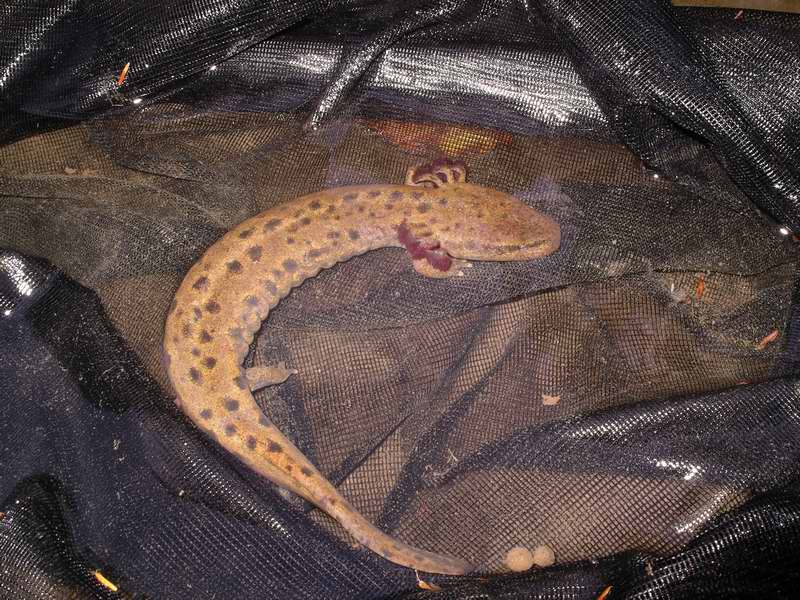
Mudpuppies are large salamanders, that remain permanently acquatic throughout their lives. They retain their gills, similar to larval form of other salamanders. They can grow quite large, although all the ones we found were small individuals, 1-2 years old. In Ohio I typically caught them in shallow streams with large flat rocks. Here in Michigan they are found in inland lakes, the great lakes, and other rivers/streams. They are completely harmless to human, despite that many fisherman still persecute them when caught or seen.

Here is an older picture of an adult from Ohio.

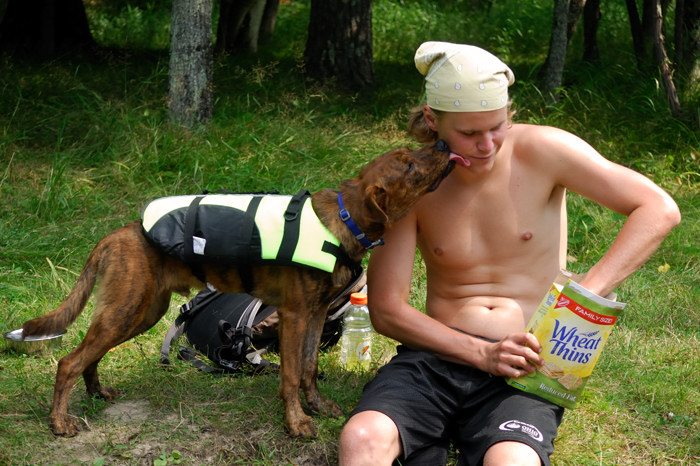
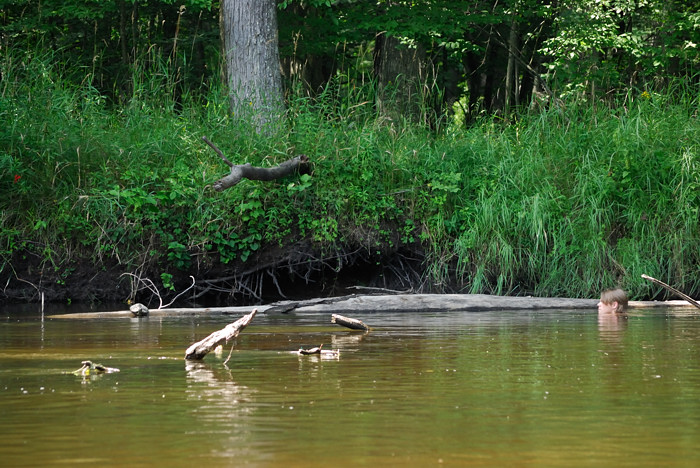
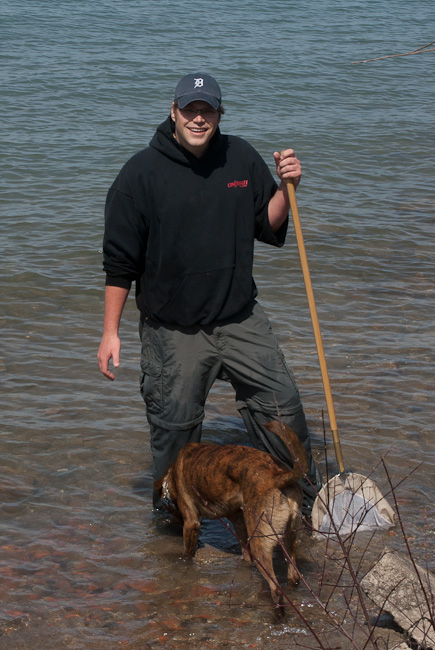
Even Cid got in on the fun.

BH
Shortly after moving to SW Michigan, my buddy Carl had emailed me a newspaper story that was very tantalizing... The Detroit Police dive team had been removing old cars from the Detroit River downtown.
"a moped and -- eventually -- the Buick and a 10-inch mud puppy that crawled from it on shore."
Full story if interested
I had heard reports of Necturus being found along the shore of the Great Lakes, ice fisherman pulling them up in the winter, LE water snakes regurgitating them when caught, etc. But how do you go about actually searching for one in such large bodies of water?
Well, I was lucky enough to find out. We found 6 mudpups in a few hours of searching the 42F water.
Necturus maculosus
Mudpuppies are large salamanders, that remain permanently acquatic throughout their lives. They retain their gills, similar to larval form of other salamanders. They can grow quite large, although all the ones we found were small individuals, 1-2 years old. In Ohio I typically caught them in shallow streams with large flat rocks. Here in Michigan they are found in inland lakes, the great lakes, and other rivers/streams. They are completely harmless to human, despite that many fisherman still persecute them when caught or seen.
Here is an older picture of an adult from Ohio.
Even Cid got in on the fun.
BH
Subscribe to:
Posts (Atom)