Buckeye Herps Blog

A photographic journal of the reptiles and amphibians of Ohio, Michigan and other places interesting wildlife call home.
Showing posts with label herps. Show all posts

Sunday, March 10, 2013

Bora Bora IV: Macro


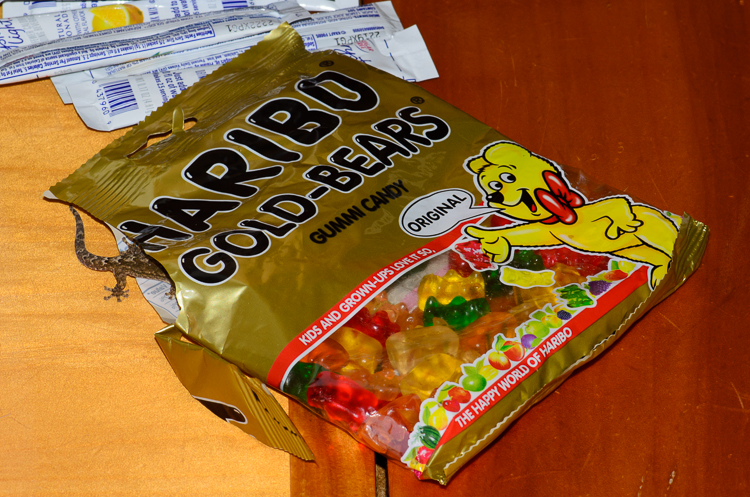
Herps on Bora Bora were few and far between. There were geckos on most of the buildings at night, of which I tried to ignore. One day we came in the room to find this bear eating gecko.

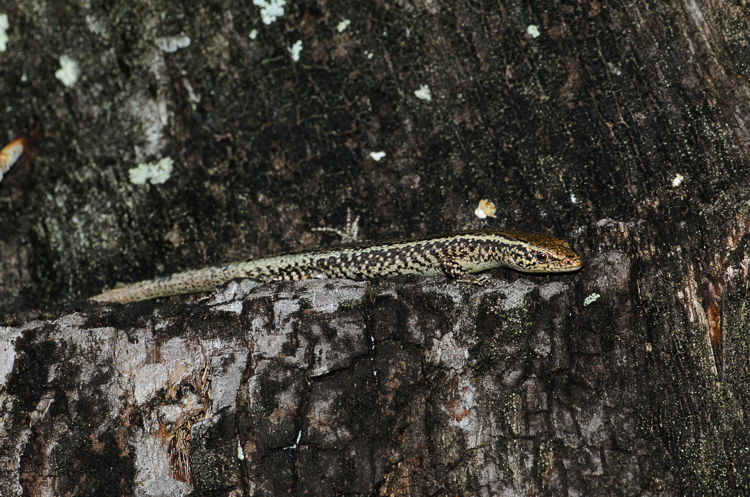
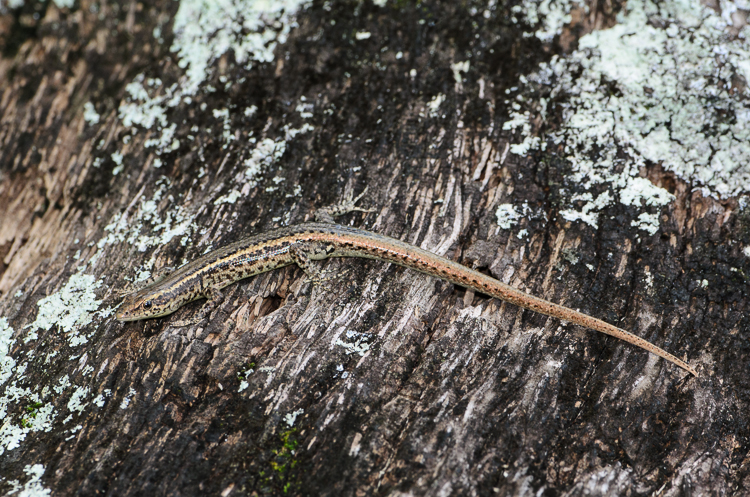
Other than these, I quickly noticed small skinks around the beach and on the palm trees. I believe these are Snake-Eyed Skinks Cryptoblepharus poecilopleurus. I photographed a bunch of them and didn't notice any other different appearing animals.


I asked about sea turtles but mostly was told we would be very lucky to see any. I guess the polynesians find green sea turtle meat to be very delicious. Despite it being illegal, they are still commonly eaten when found. There is a small turtle rehab and head starting facility on the island, but they are a relatively young facility and I didn't visit, so I don't know how well it is doing. I was told I might have a chance to see a hawksbill, but my divemaster had only seen three or four in the last three months.

I only shot with my macro setup on two occasions sadly. When you have chances at manta, it can be hard to convince yourself to put the macro lens on your rig. I snorkeled around the coral gardens by the resort briefly with my macro lens on one of the first few days.
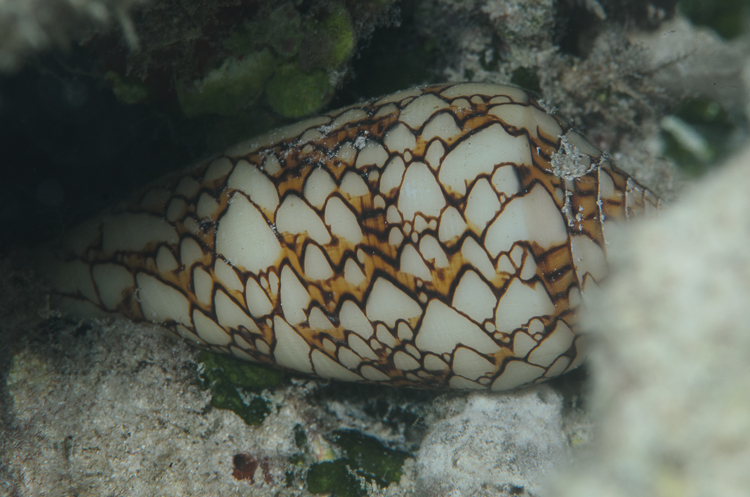
Textile Cone Snail Conus textile
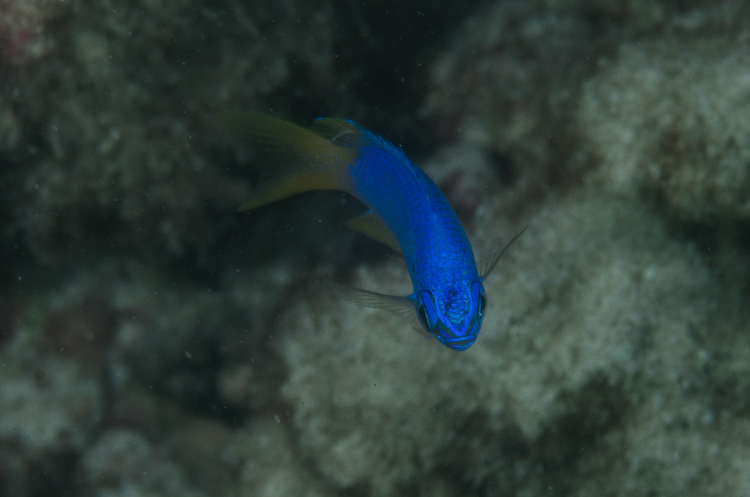
Neon Damsel Pomacentrus coelestis
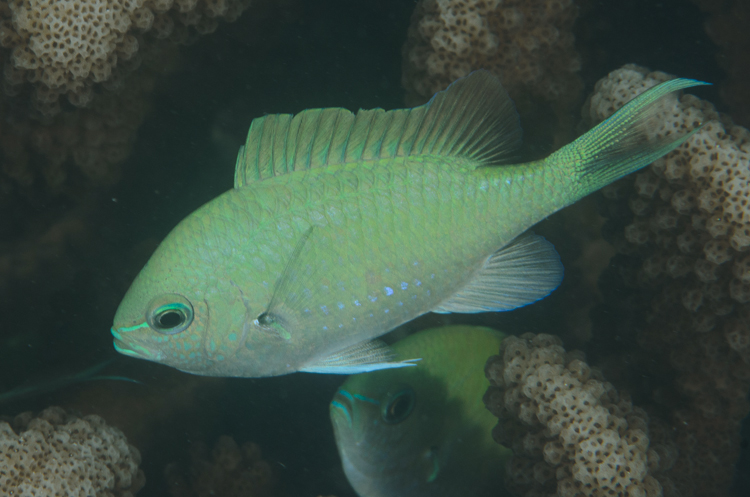
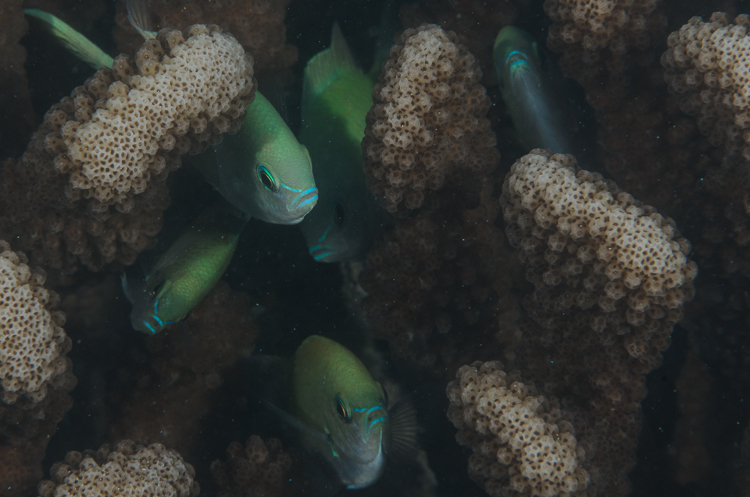
Black-axil Chromis Chromis atripectoralis

There were a few lionfish that were hiding in the structure and coral during the day. One night I saw a few of them swimming around after dark, but I never had a chance to photograph them when they were not hiding.

Clearfin Lionfish Pterois radiata
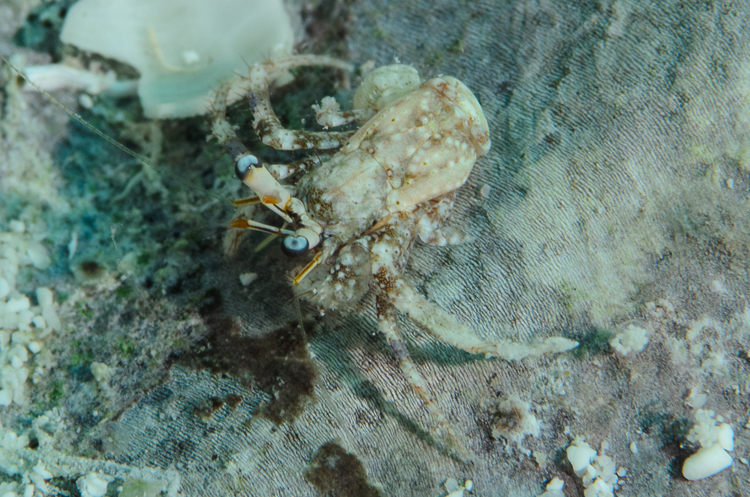
This crab was hanging out on one of the wooden supports holding up the walkway to the bungalows.
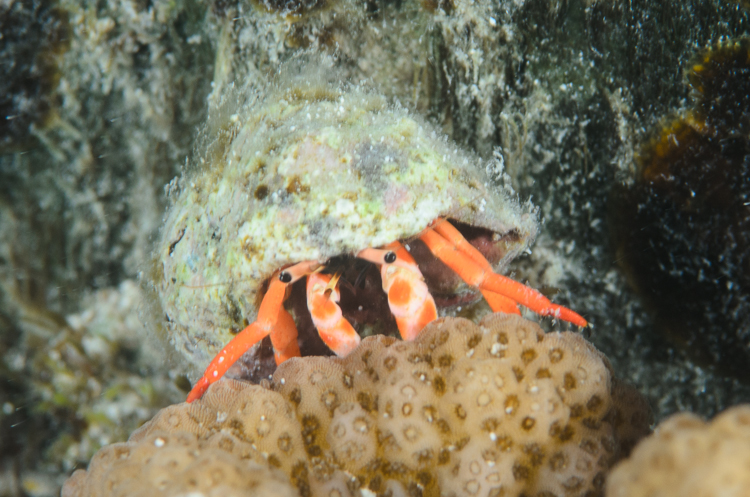
Near the end of the trip, we booked one of the afternoon "fun dives", which are basically for beginners or people getting certified. I knew we would dive the site with the eagle rays and sand flats, but figured with the group of beginners I could split off and stay beneath the boat and explore the reef. As it turns out, my buddy Rob and I were the only people on the books to dive. We ended up with a private dive as we explored the reef for macro life. It turned out to be one of my favorite dives of the trip!

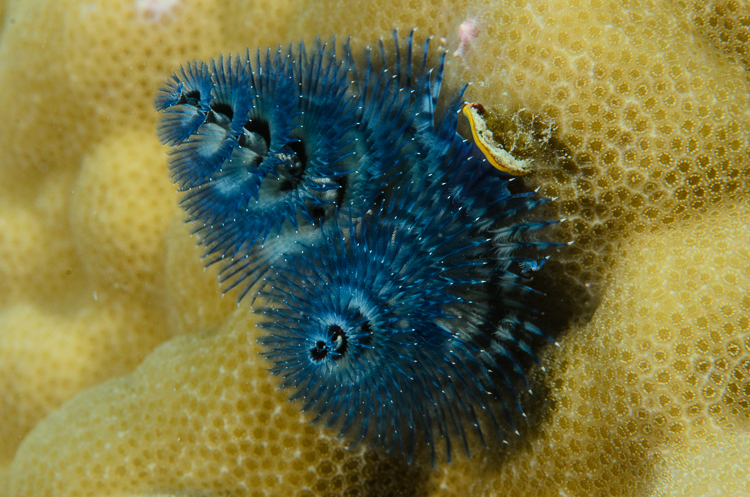
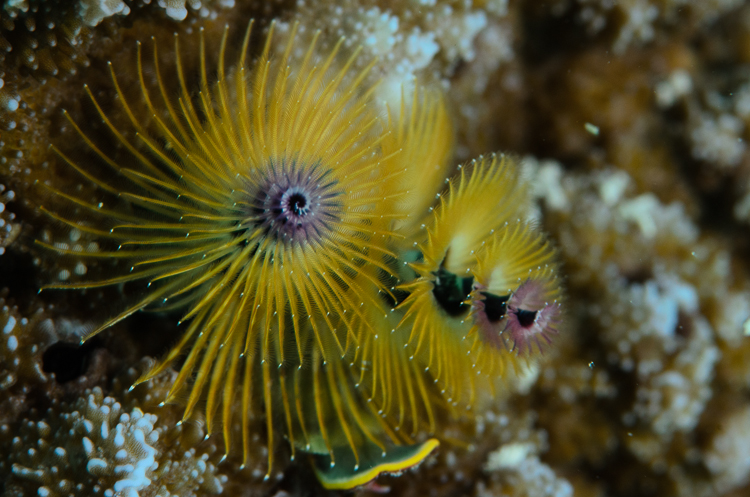
I finally took the opportunity to photograph some of the christmas tree worms I had been seeing all trip.


I also enjoyed focusing on the clownfish that were swimming in and out of the anemones.
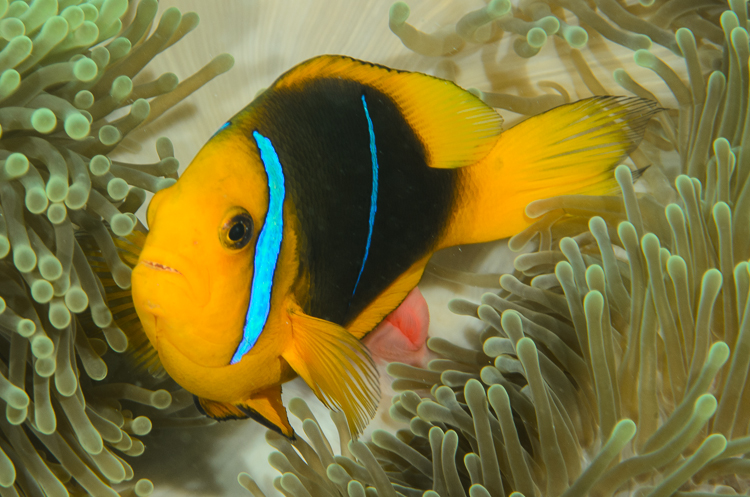


Other fish in the anemones included these Three-spot Dascyllus Dascyllus trimaculatus.
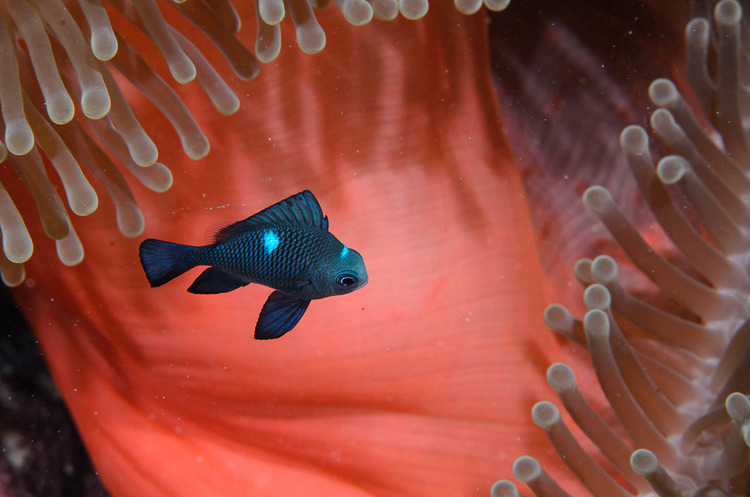


This Peacock Razorfish Iniistius pavo was able to react to my strobes and was often photographed in a blur of movement or in a different orientation. Only once or twice did it stay still.
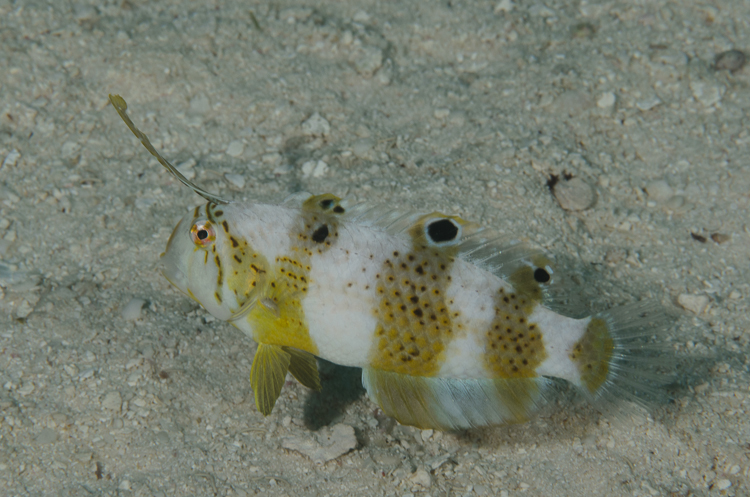


Julian, our divemaster, turned up a couple small crustaceans to pose for the camera.
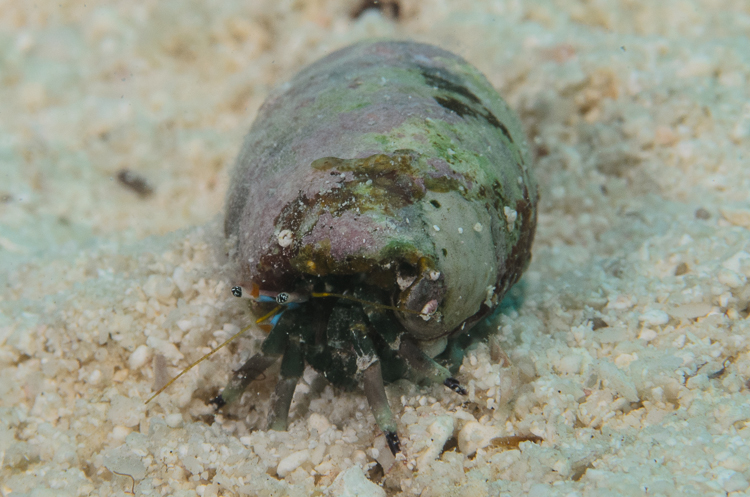


Snubnose Grouper Epinephelus macrospilos were commonly perched along the reef.
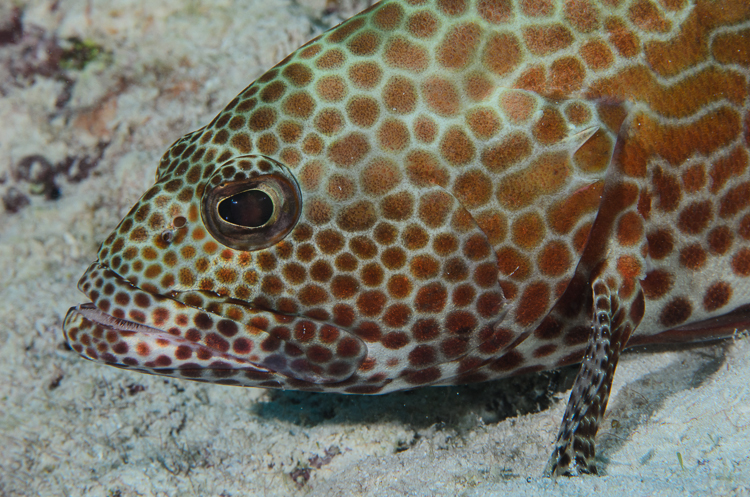


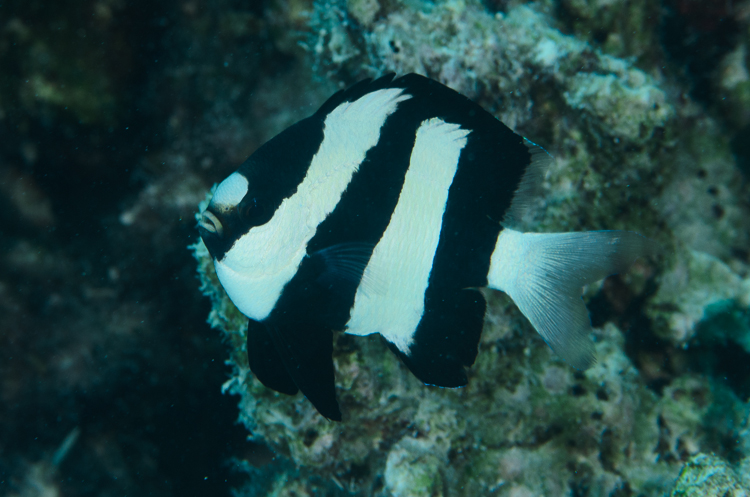
Humbug Dascyllus Dascyllus aruanus

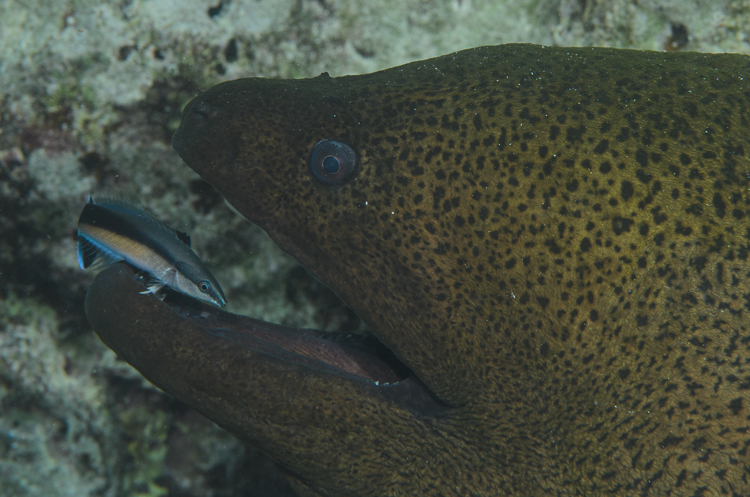
We finished our macro dive after 70 minutes of bottom time with a few nice finds. This enormous moray eel was out of his hole and enjoying being cleaned by a Bluestreak Cleaner Wrasse Labroides dimidiatus.


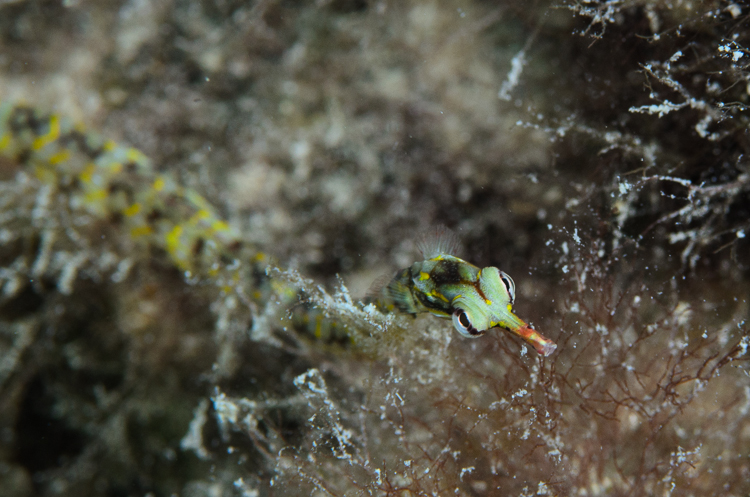
We had seen one of these small pipefish earlier in the trip, but I was unable to do them justice with the wide-angle lens. We found three of these on a small grouping of coral.
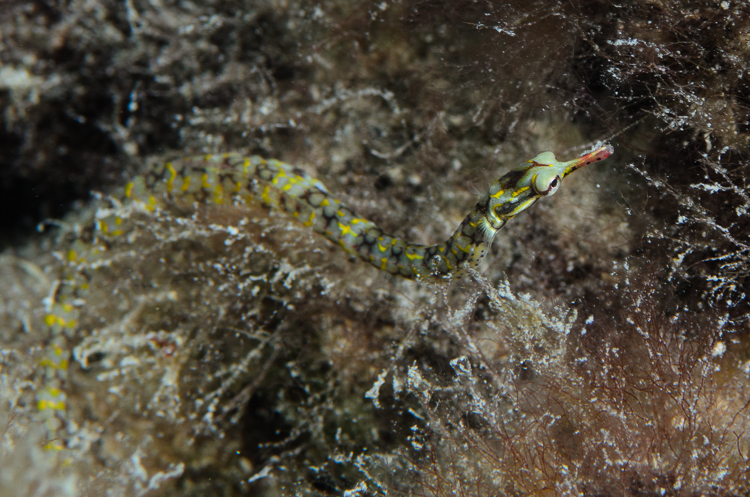
Corythoichthys conspicillatus


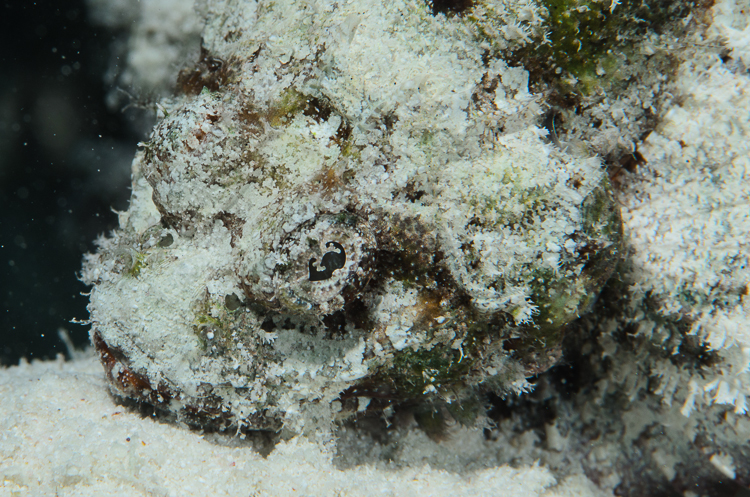
Finally, right under our boat in about 15 feet of water, Julian turned up this small stonefish. It was the only one we saw on the trip and I was ecstatic to be able to see it.
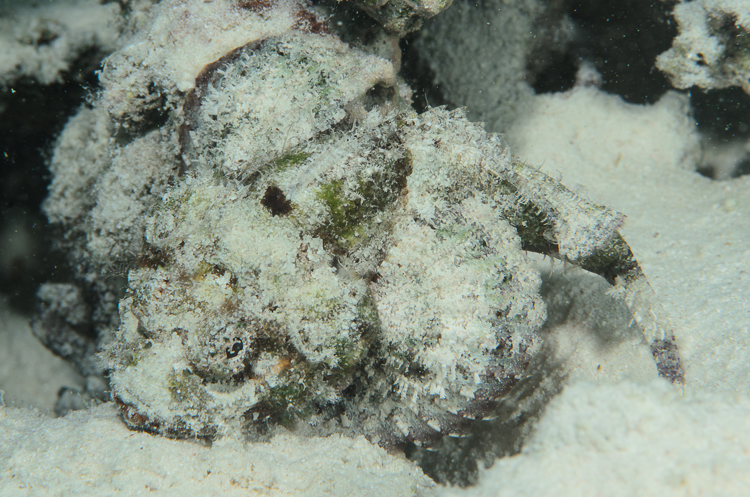
Reef Stonefish Synanceia verrucosa


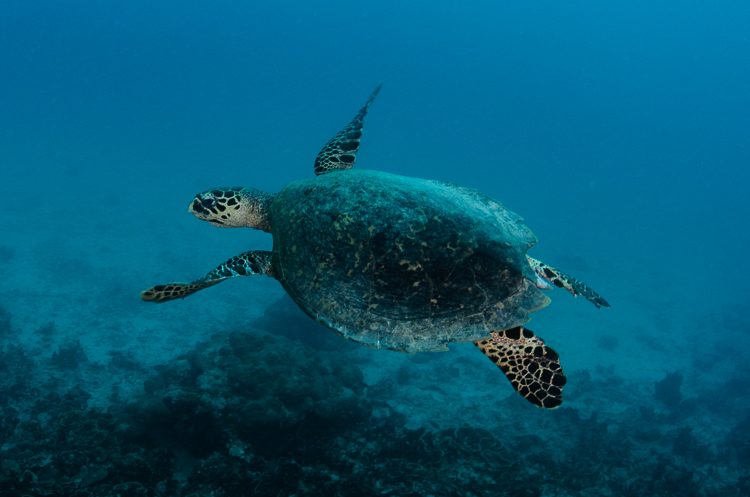
All in all we had a wonderful time diving and enjoying what Bora Bora had to offer. There was one other memorable encounter on our second to last day that I have to finish with. Just after a manta decided to drift by us, I looked ahead along the coral and saw this cruising along top the reef.

Hawksbill sea turtle Eretmochelys imbricata
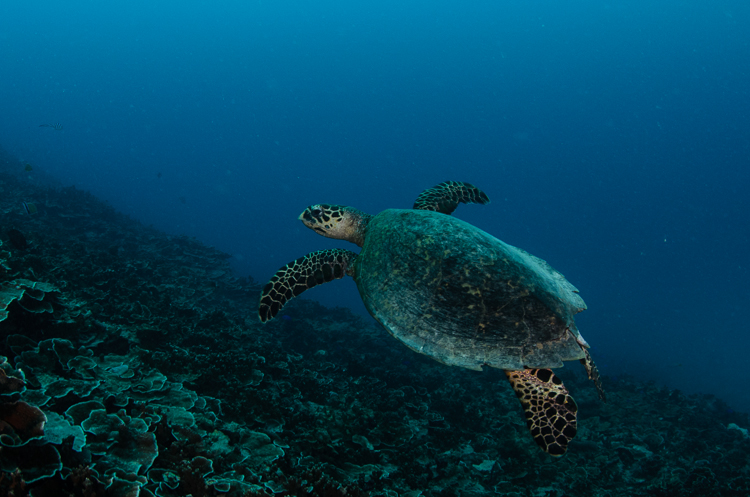

I didn't quite get the shots I wanted, my strobes were positioned very far out for large mantas, but I really enjoyed swimming along this turtle.


Happy Herping ;)


BH

If you want to read the rest: Part IPart IIPart III and Part IV.

Sunday, August 9, 2009

Herps, herpes

and the process of writing about them...

I have never been an enthusiastic writer, but I have always enjoyed reading. It is this sense of joy from reading others work that finally convinced me to try and take a stab at it on my own. This will serve as an outlet for a few different projects. First, I have long meant to add species accounts to all the herps on www.buckeyeherps.com and www.wolverineherps.com. I figure I can blog species accounts and this will force me to keep a steady stream of updates. I also plan to add more trips to the trip accounts section, especially my last couple to AZ/SoCal and West Texas. Second, I hope to provide entertaining and useful information that is similar to some of the other blogs and websites that I enjoy. Ohio Birds and Biodiversity by Jim McCormac, Ohio Nature Blog by Tom Arbour and Mike Pingleton's classic Field Herping not-a-blog (with journal updates since 1996) are all extremely instrumental in my undertaking of this endevour.

This will not just be a nature blog though. I plan to speak a little on the other things I enjoy in life, primarily literature, marriage and our new(ish) puppy. Regarding the "herpes" aspect, I most likely will actually stay away from issues pertaining to the day job, emergency medicine. There are numerous issues involved with medical blogging that I hope to avoid. I may throw up a bit here and there, but will mostly leave that to others.

Anyway, photographs are key to a great blog, so I will share you with a couple images from earlier in the year. I will be out looking for these species tomorrow and maybe remembering some old successes will conjure up some much needed luck. I have been paying my dues for the last 3 months without any thing to show for it. In the world of herping, that is often how it goes...

My first Michigan Massasauga rattlesnake, photographed in situ, likely the day it crawled out of its winter refuge. These little rattlesnakes are endangered throughout most of the range, and are a species of special concern in Michigan. They are still somewhat common in the right habitat, but have suffered drastically from habitat fragmentation, destruction of wetlands and urban sprawl. SE MI likely used to harbor a much larger population before the Motor City. They over winter in crawfish burrows in wetlands such as bogs and fens, and prefer to spend the summer months hunting the natural wet prairies nearby. This animal was found in a wooded wetland, just a few feet from a vernal pool. I was not expecting to see one on this day, and had just walked literally within a few inches of it. I bent over to roll a choice log, hoping for a tiger salamander or other ambystomid, and as I scanned the brown earth I noticed this coiled about 10 inches from my hand.


Sistrurus catenatus

It never did move a muscle, and we took some pictures and left it to enjoy the spring sun.

We did get the tiger salamander though, as well as a majestic blue racer.

Ambystoma tigrinum

Coluber constrictor foxi

But more on them later...