Buckeye Herps Blog

A photographic journal of the reptiles and amphibians of Ohio, Michigan and other places interesting wildlife call home.
Showing posts with label California. Show all posts

Saturday, October 1, 2011

Arizona and Califorina 2009: Part II California

The California leg of the trip was much more successful from a herping standpoint.  We spent more time in California, and I was able to get out a few days.  This was my first trip to California and I enjoyed experiencing a new set of diversity and herpetofauna.

One morning I was invited out by a buddy who I had shown around a little bit in Ohio a few years previous.  He had a board and funnel trap survey so we set out to work over his site.  We were out bright and early, hitting the boards before it got too warm.  The details are a little sketchy this far out, so commentary will be fairly brief.

Early on we turned up a   .  We were lucky to catch it first thing, before they warmed up so it cooperated well for photos.
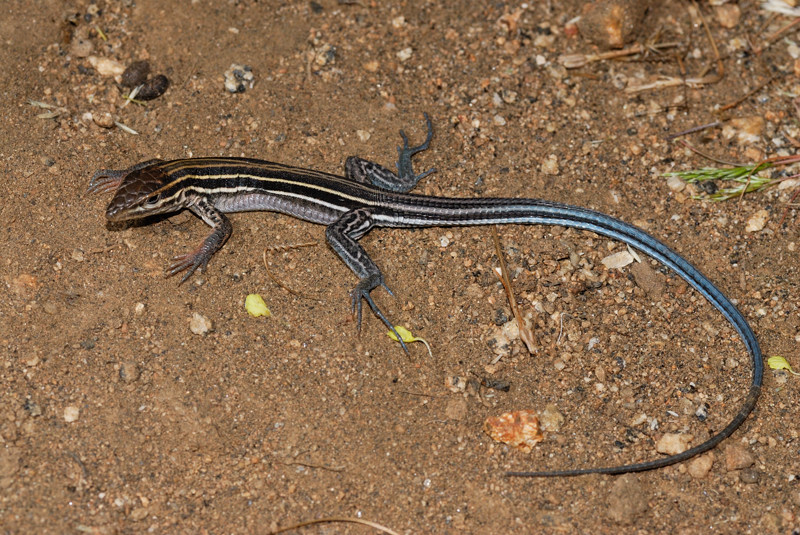
Aspidoscelis hyperythra beldingi - Belding's Orange-throated Whiptail

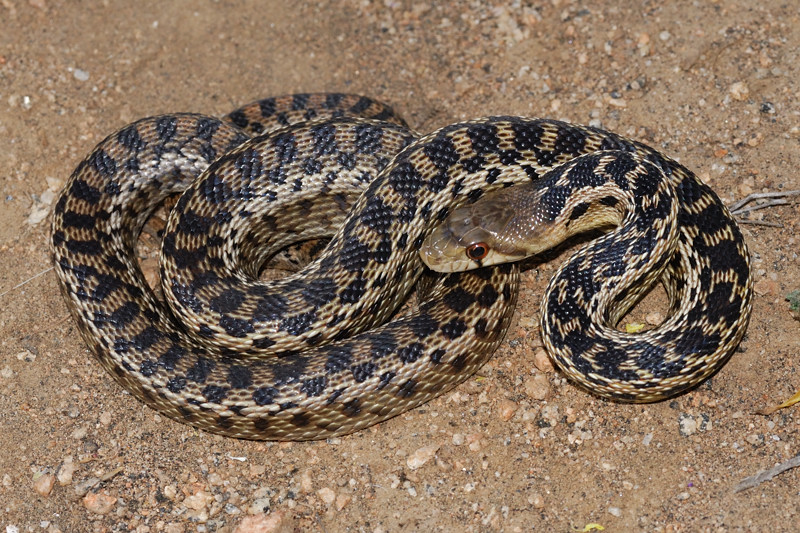
The first snake was my first gopher snake.

Pituophis catenifer annectens - San Diego Gopher Snake

This spiny was able to be caught while scurrying around the shrubs and bushes.

Sceloporus occidentalis longipes - Great Basin Fence Lizard

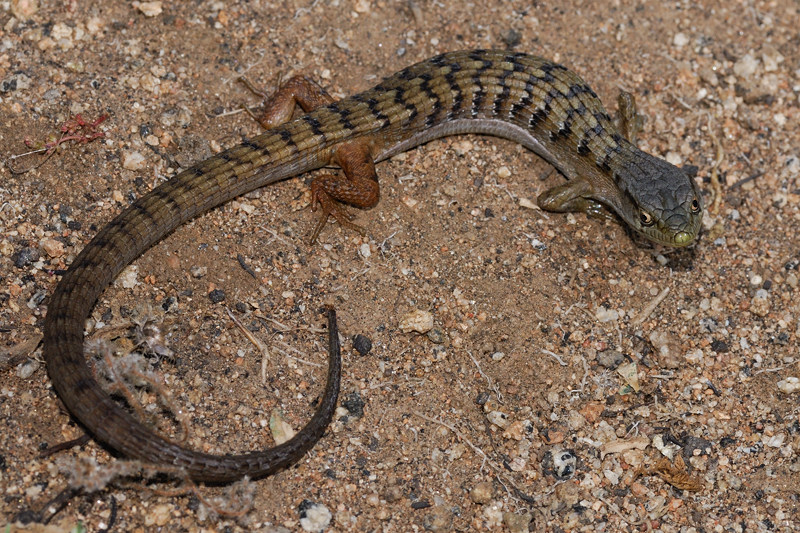
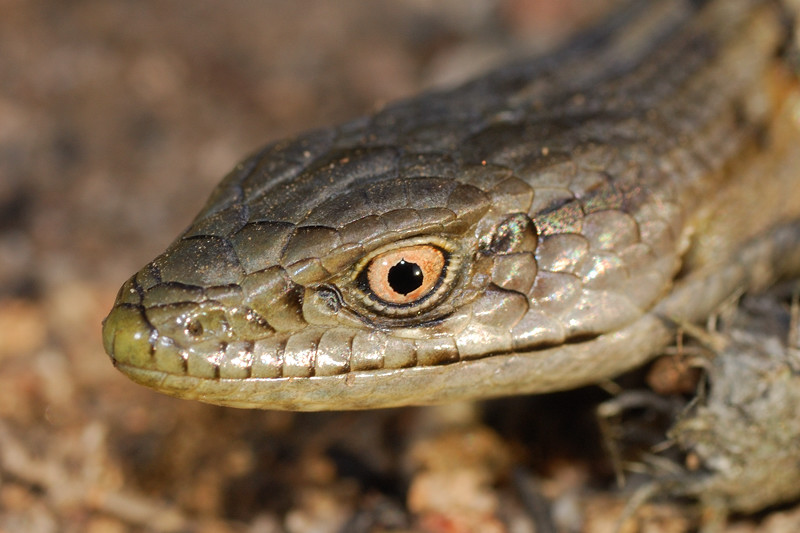
We flipped this nice looking alligator lizard under a board.

Elgaria multicarinata webbii - San Diego Alligator Lizard


The sideblotch lizards were prettier than I am used to seeing in Arizona.

Uta stansburiana elegans - Western Side-blotched Lizard

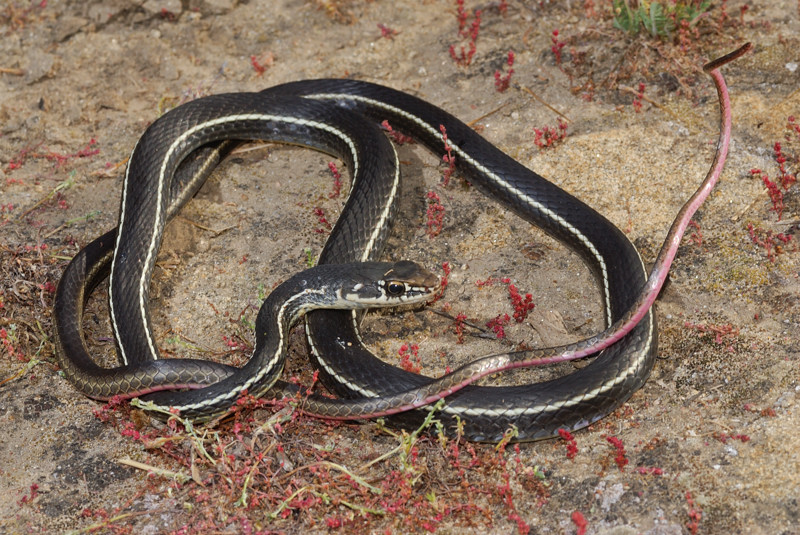
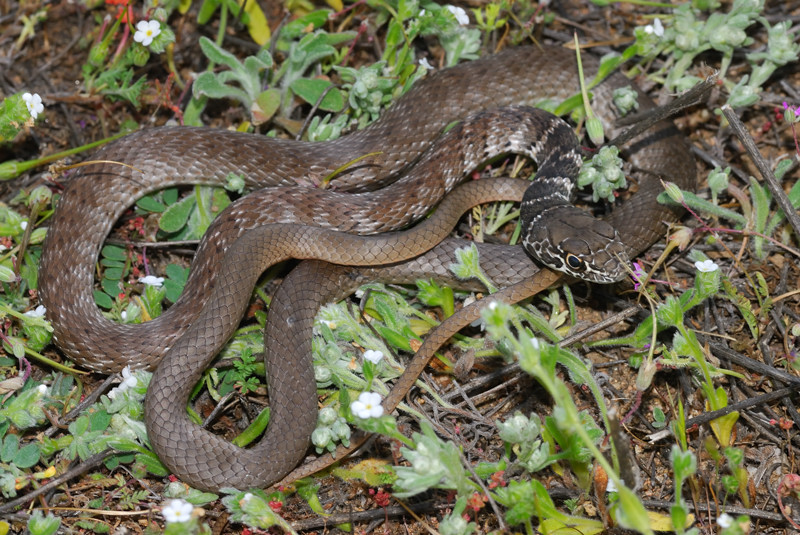
Striped Whipsnake also flipped under a board.

Coluber lateralis lateralis - California Striped Racer

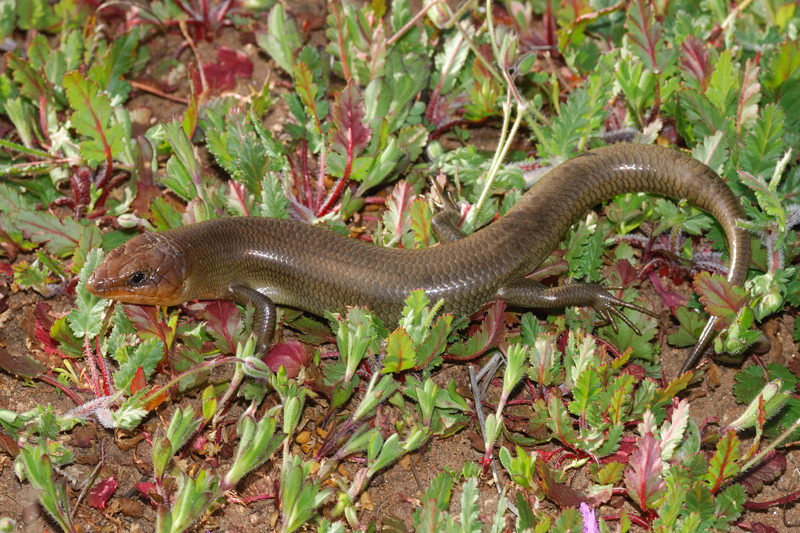
Gilbert's Skink found under a board.

Plestiodon gilberti rubricaudatus - Western Red-tailed Skink

Does anyone know their tarantulas?  I unfortunately, do not have a whole body shot.

This was the first time I witness a ringneck curling the tail.
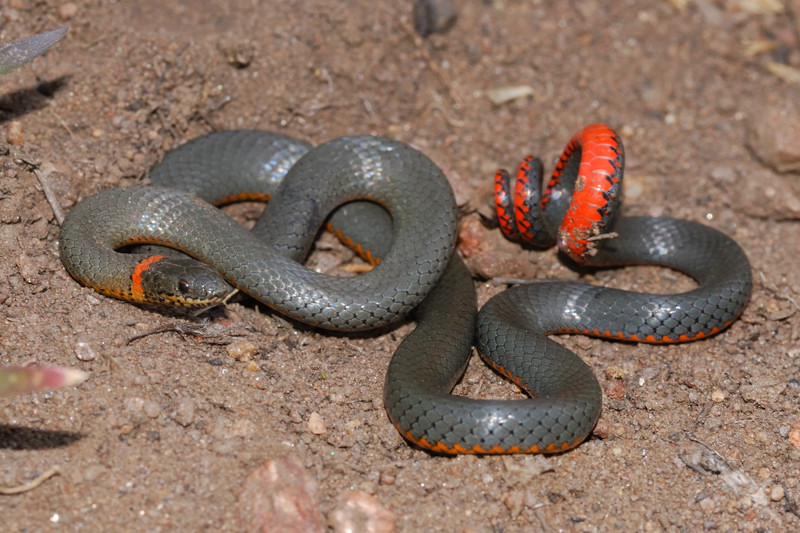
Diadophis punctatus similis - San Diego Ring-necked Snake

I guess coachwhips are pretty uncommon at the site, but Jeff had been catching one frequently under his boards.  We missed out on the Southern Pacific Rattlesnake but lucked into the coachwhip.

Coluber flagellum piceus - Red Racer

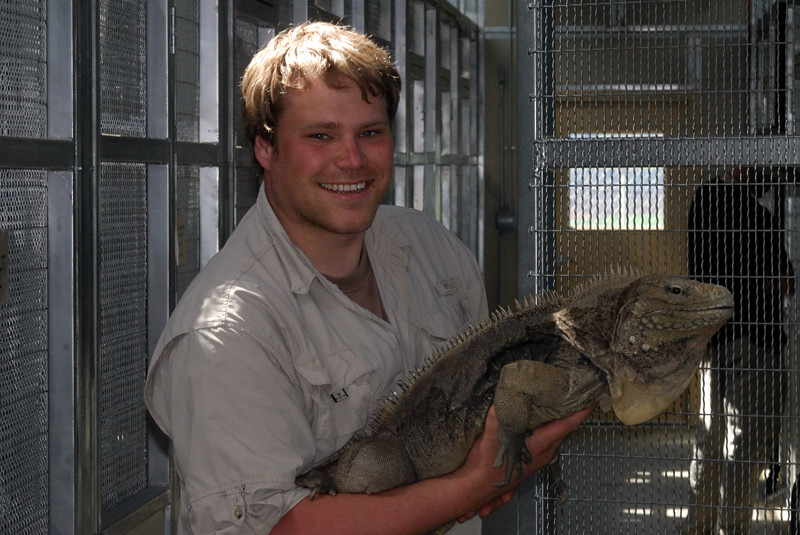
I believe this is the famous, Gitmo, a Cuban Iguana, Cyclura nebila.  They breed a number of critically endangered Carribean iguana species at the facility.

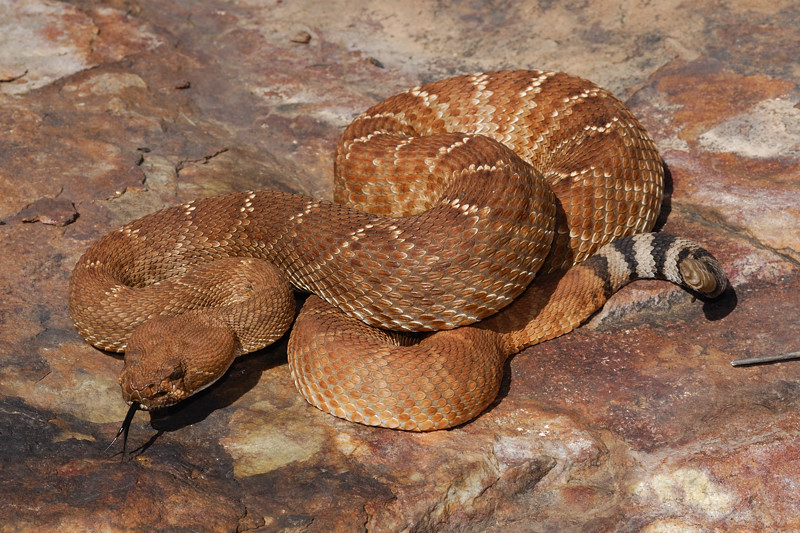
It was a great morning, but Jeff had to get to work.  Another old buddy, Brian H. had been working there as well and took the afternoon off to hike around.  We hit up a nice rocky hillside and quickly turned up a couple Red Diamond-backed Rattlesnakes, Crotalus ruber.
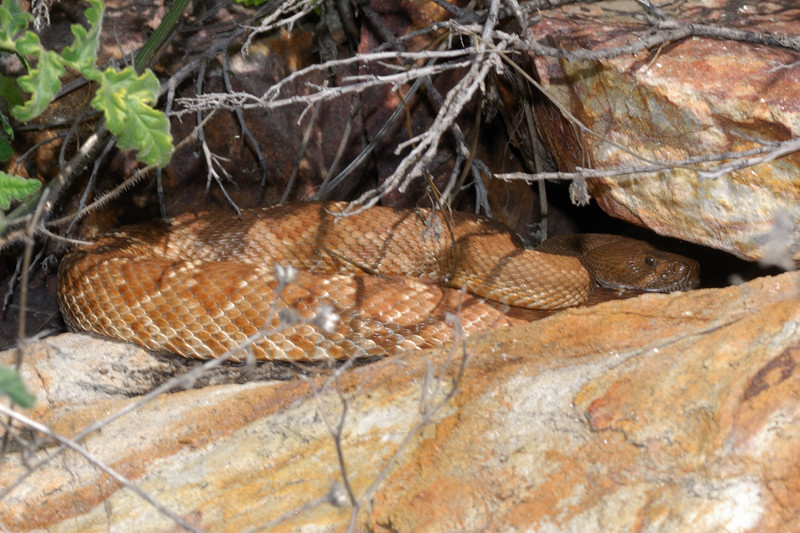
In situ

These were some pretty awesome snakes.  Nice and heavy bodied, but faily well dispositioned.  It was a real treat to see these.
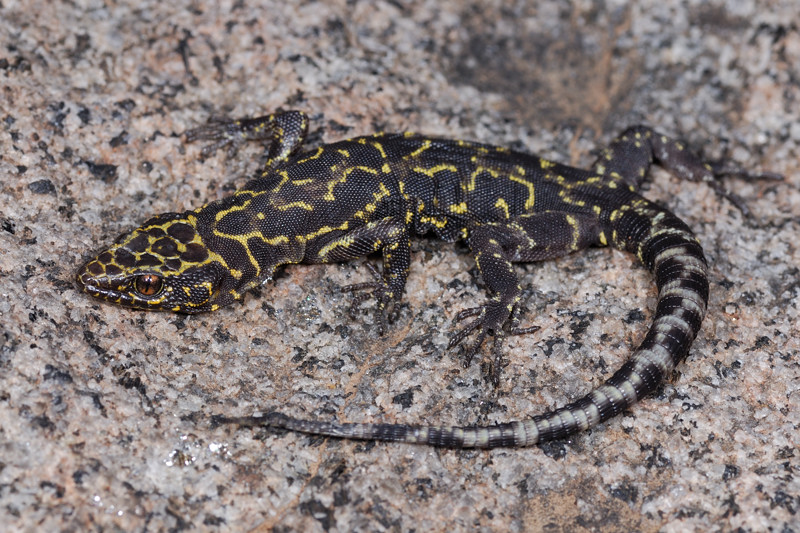
We decided to hike another rocky hillside nearby.  I flipped this awesome night lizard under a small piece of flat rock.

Xantusia henshawi - Granite Night Lizard


I was also very happy to spot this lyre snake deep in a crack I shined with my trusty mirror (this mirror has been good to me over the years, well maybe twice!)
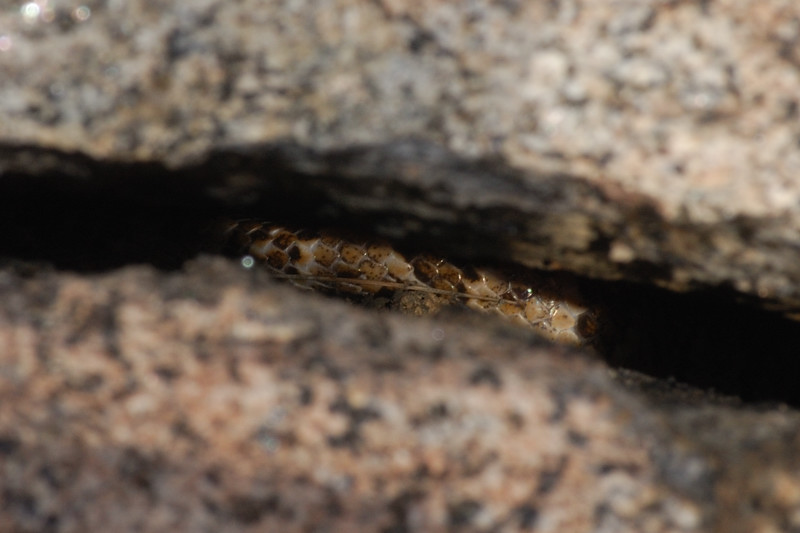
Trimorphodon biscutatus lyrophanes - Baja California Lyresnake

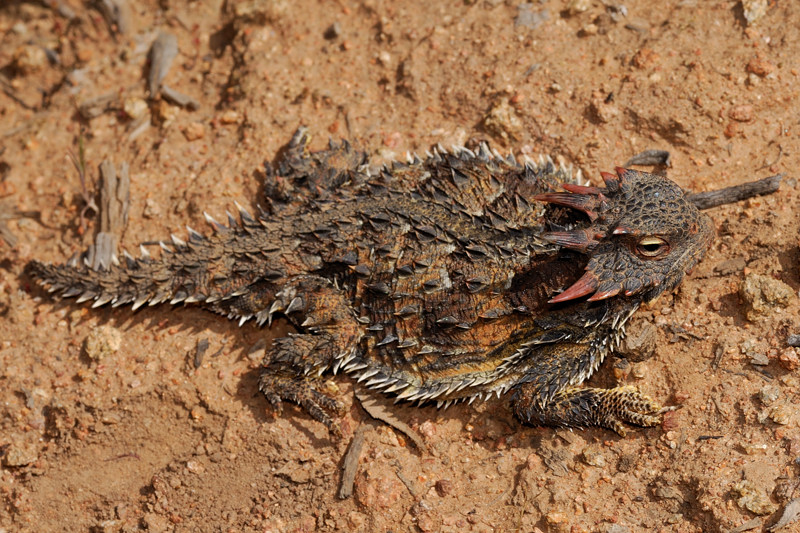
But the find of the day was my first horned lizard.  Brian spotted it scurrying across the trail.

Phrynosoma blainvillii - Blainville's Horned Lizard
(Coast Horned Lizard)


The next day I dragged Molly and our friend Becky to the San Diego Zoo.  If you haven't been, it is world class.  The zoo is unlike any other and has numerous examples of rarely seen animals.  You can spend days wandering the trails and exibits of the park.  I of course, spent hours photographing the herps from all over the world!  If only I had photographed the name cards...
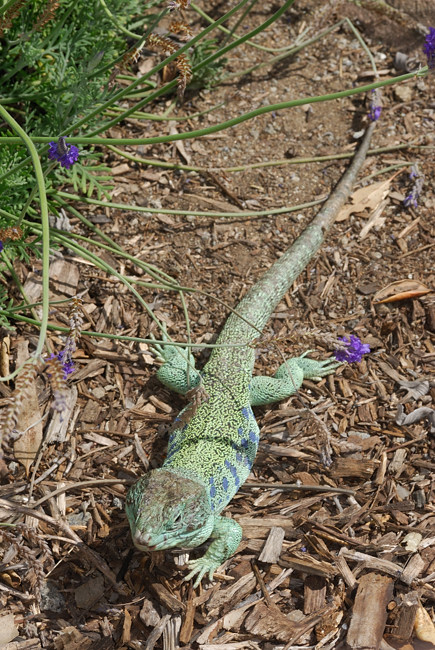

European Green Lizard Lacerta viridis


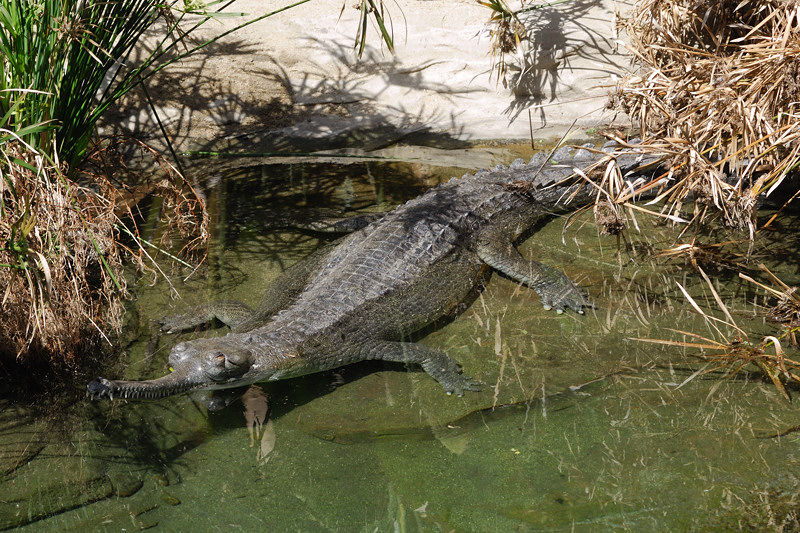
Gharials! Gavialis gangeticus


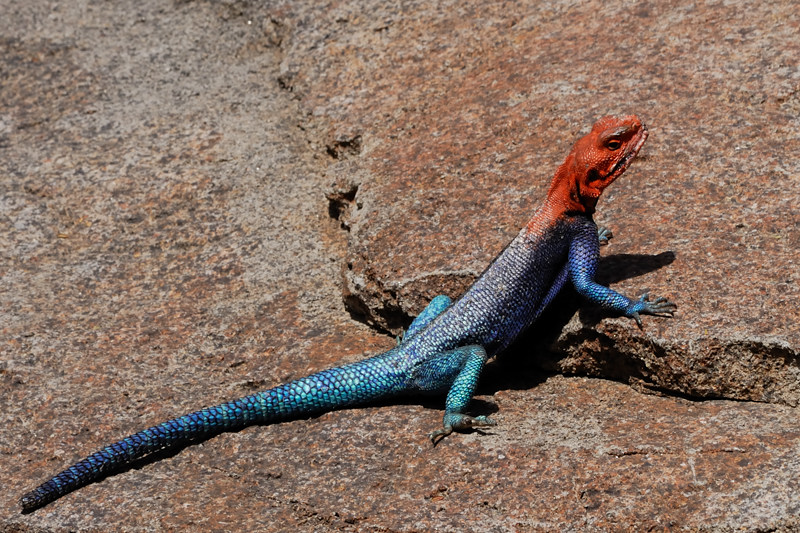
 Red-headed Agama Agama Agama

Chinese Alligator?  I sadly don't remember...  Alligator sinensis
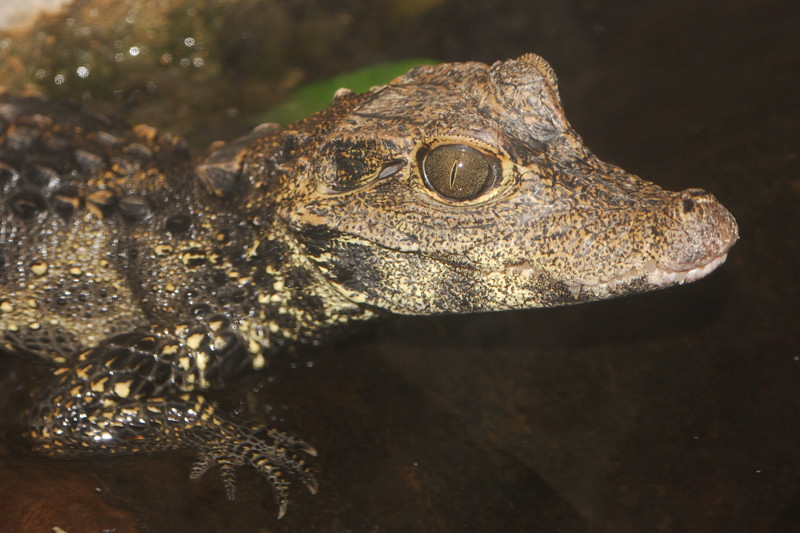
Nile Crocodile? Crocodylus niloticus
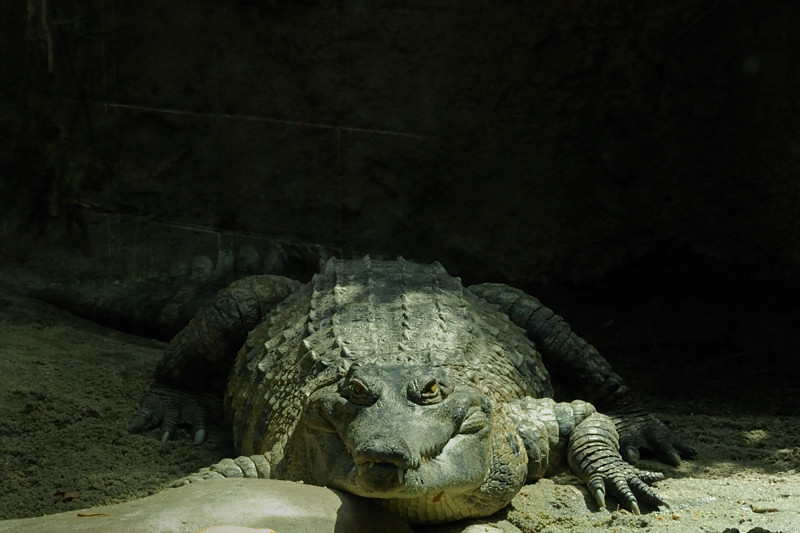
Oh did I mention we saw a Tuatara?  Awesome...

Tuataras are tuataras.  They are dinosaurs, relics from 200 million years ago.  They resemble lizards, but there are only two species left that are in their own Order,  Family and Genus.  They can only be found in New Zealand where they can live to be over 100 years old.   Unfortunately, they reach sexual maturity in 10-20 years.  Unlike other reptiles, they like it relatively cold.  Thriving in 60 degree temperature.
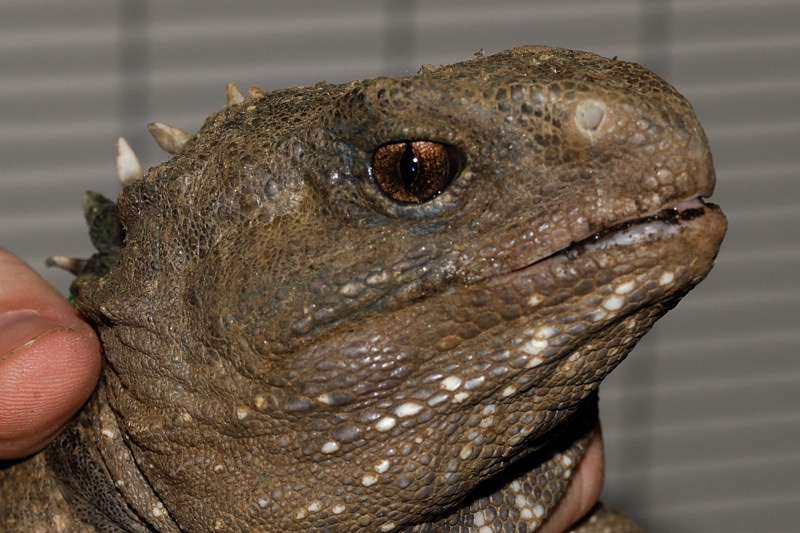
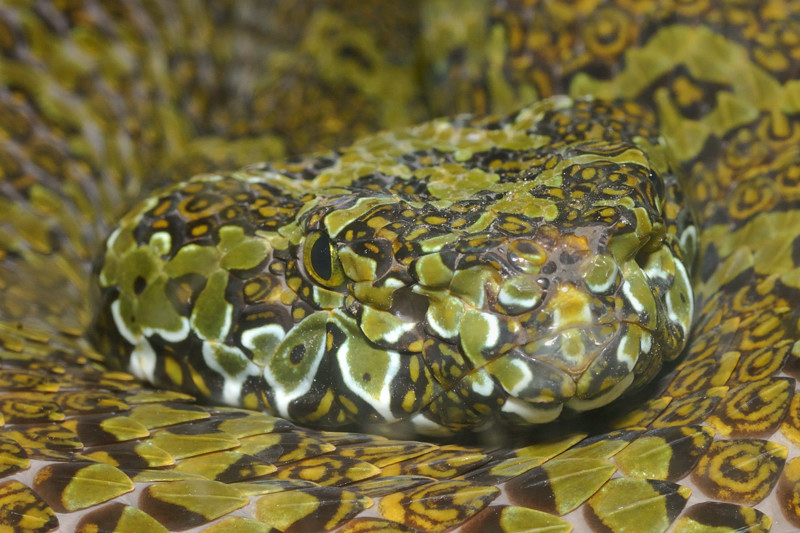
How about a super cool Mang Mountain Viper Trimeresurus mangshanensis, discovered on Mang Mountain China?  They have em.  These snakes are actually quite large.  Much bigger than I had expected.
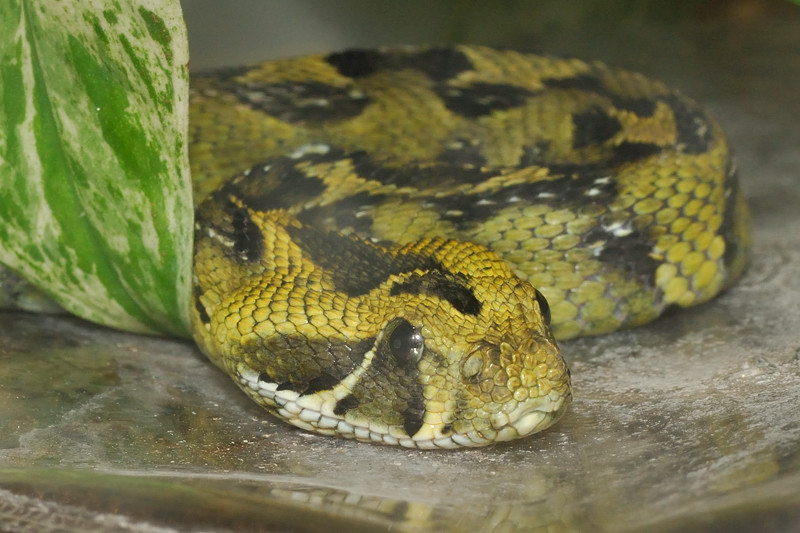
What's the matter, big vipers aren't your thing?  How about the small Ethiopian Mountain Adder Bitis parviocula?

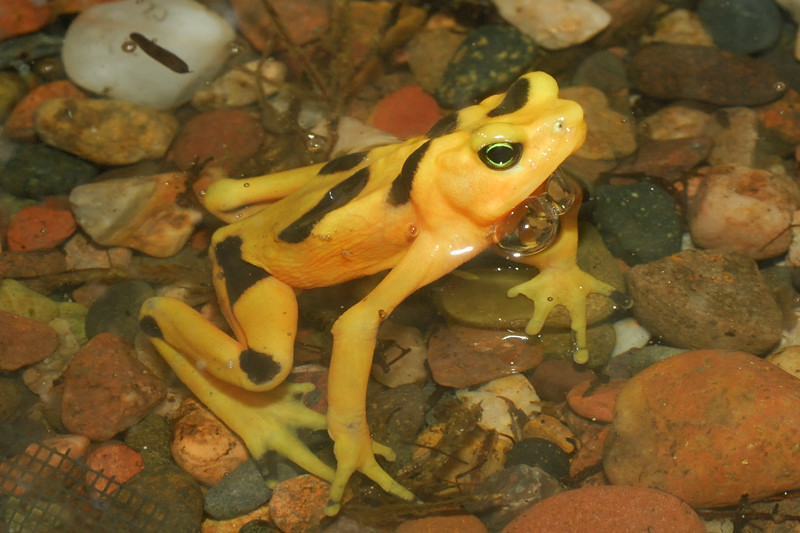
If you don't like snakes, they have cool frogs too!

Panaminian Golden Frog Atelopus zetecki
or Vietnamese Mossy Frogs Theloderma corticale
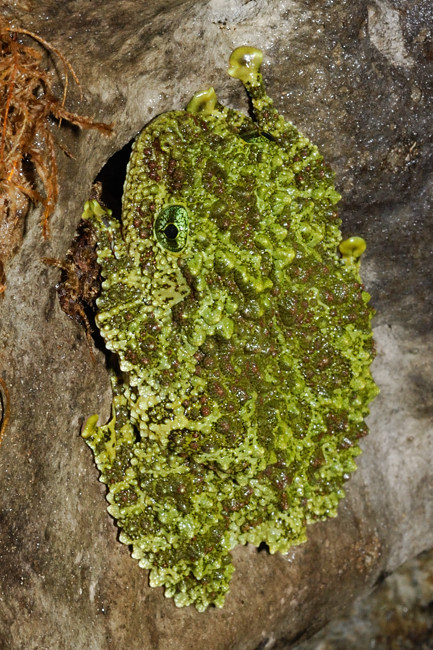
Seriously.  Go to the zoo.

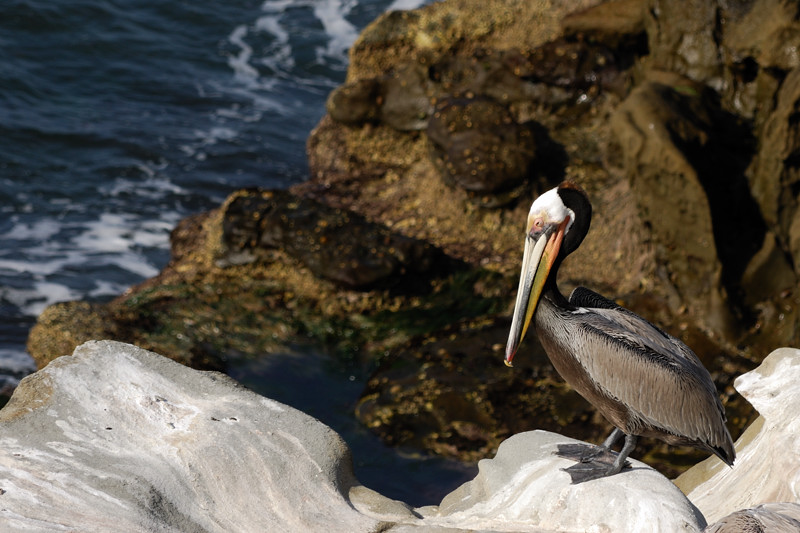
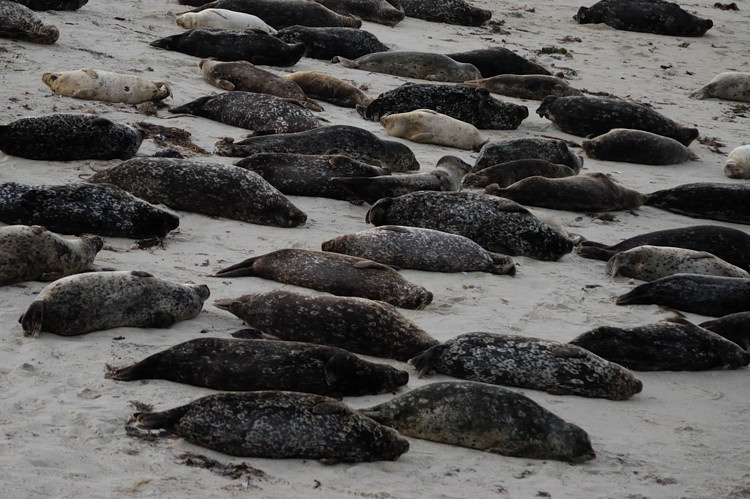
We enjoyed some sight seeing at La Jolla Beach.  Well I enjoyed animal watching.
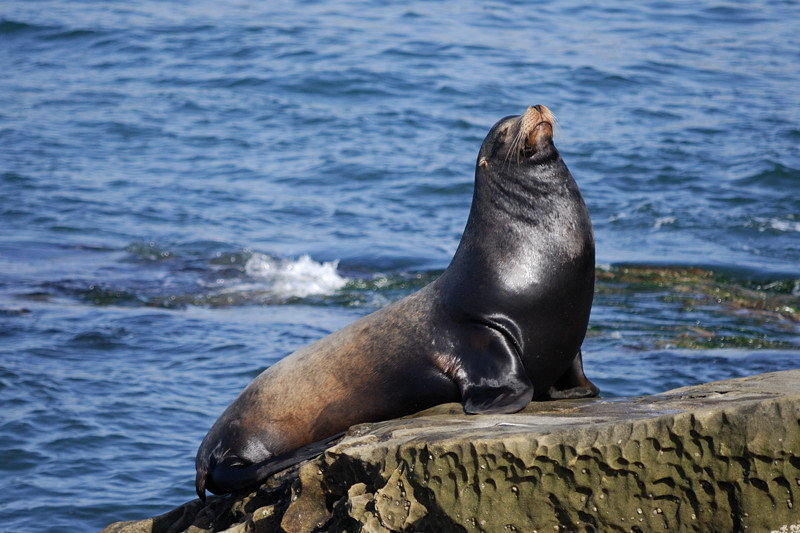


I managed to sneak away for another couple short herp outings.
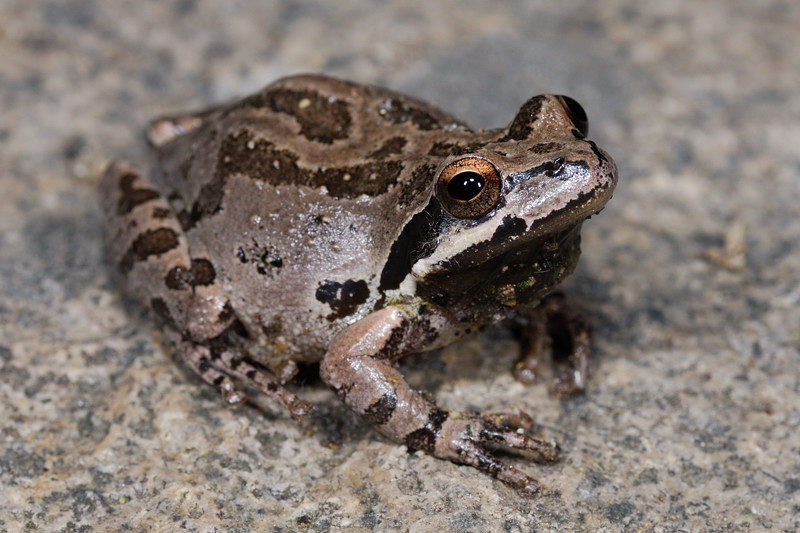
Pseudacris hypochondriaca hypochondriaca - Baja California Treefrog

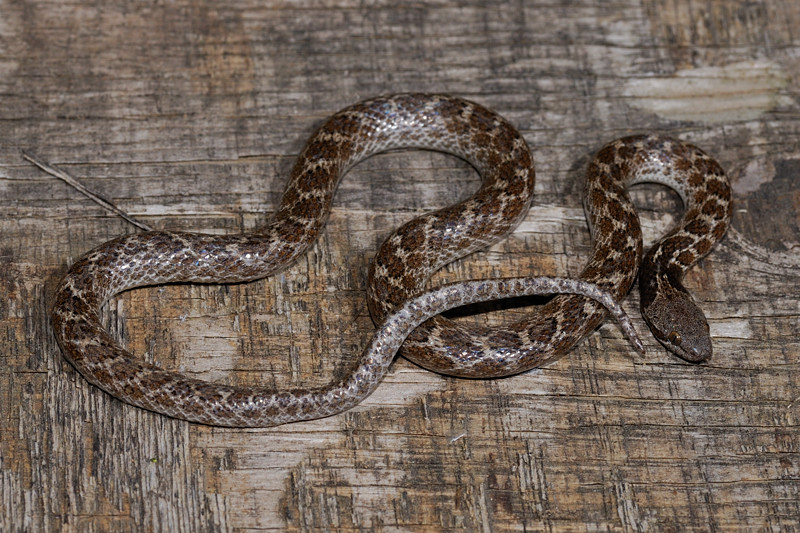
Hypsiglena ochrorhyncha klauberi - San Diego Nightsnake

Phrynosoma blainvillii - Blainville's Horned Lizard
(Coast Horned Lizard)

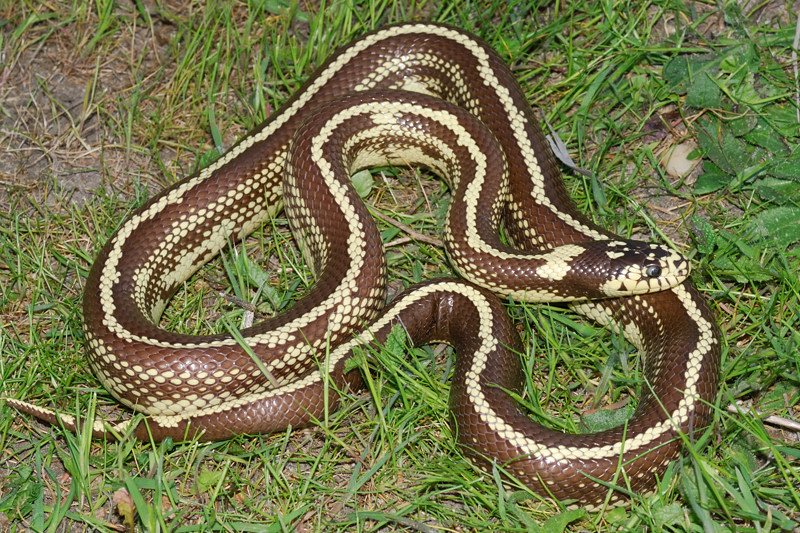
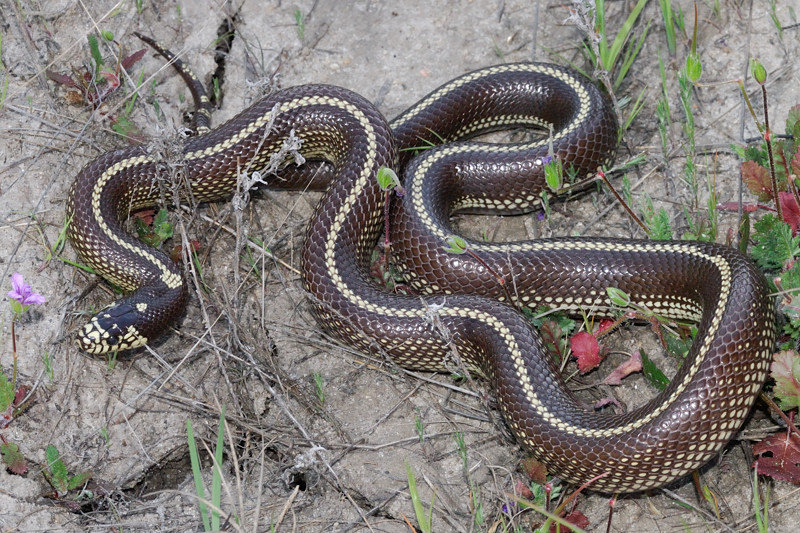
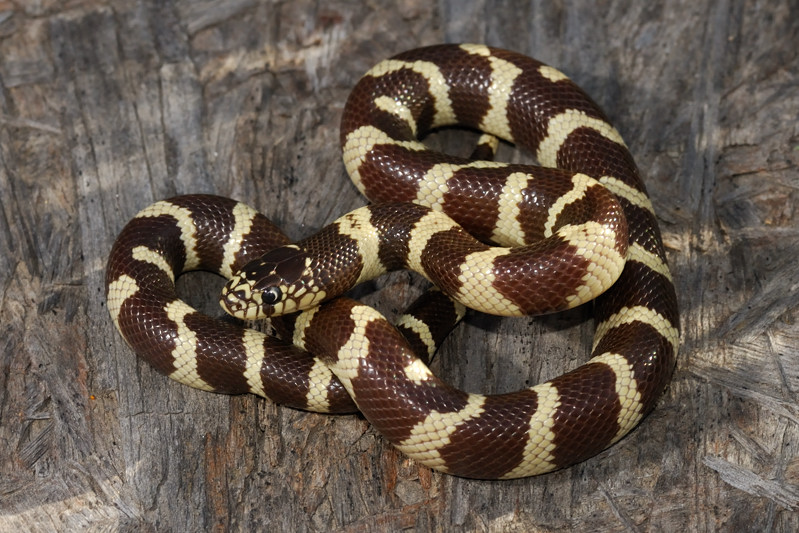
Some excellent California herpers offered to show my some kingsnakes.  We flipped some nice boards and were rewarded well.

California Kingsnakes Lampropeltis getula californiae


Plestiodon skiltonianus interparietalis? - Coronado Skink

That ended up being much longer than anticipated.  It was a great trip for busting out the camera.

BH

Thursday, September 29, 2011

If White Sharks get second chances...

Some more good news for things that go bump in the night!  Just the other day a women thought she was rescuing an eastern massasauga rattlesnake in Niles, MI, and now surfers are rescuing a great white shark off the coast of California.


This juvenile white shark was caught on a fish line and dragged to shore.  While many onlookers were content to just keep back and watch, a few people helped remove the hook and drag the shark back to see.

White sharks use the waters off of southern California as a nursery area.  During this time, they are small in size and specialize in eating fish.  As they grow older and larger, their tooth structure changes and they start to prey on larger mammals, such as sea lions.  White sharks can't breath without moving forward in the water, letting oxygenated water pass over their gills.  While this shark looked weak, hopefully it was able to make a full recovery thanks to the help of the men nearby.

It is a reassuring to see a few good stories regarding helping and saving "deadly" wildlife hit the news recently.  As much as I despise much of the sensationalist crap Animal Planet and other networks call TV these days, hopefully some of the messages are getting across.

If you haven't be able to see Shark Men on the National Geographic Channel, you should check it out.  In my opinion, it is a show that does things mostly right.  It focuses on a team of scientists and fisherman that work to try and learn more about Great White Sharks.  There are some sensational attributes to it, but it all they go about their jobs safely and efficiently, and seem to be learning new things about these amazing animals from their research.  They help to portray sharks in a positive manner and provide up close looks at one of the sea's most mysterious creatures.  There is some controversy regarding whether their methods are harmful to the animals, but it seems that most of their research animals are tracked for good lengths of time after, seeming to show that their methods are fairly unobtrusive.


Sunday, February 14, 2010

Winter's Icy Grip

Remains very tight. The 10 day forecast is a high of 31 and snow for the days I was planning on spending in southern Ohio. I wondering if it is worth going down still, and if Cid will be up for snowy hiking.

I find myself once again thinking back to warmer times and climates. I didn't have much luck on my trip to San Diego back in November, but anything is better than what we have here now.

I did manage to turn up a few Crotalus ruber at a densite. One was just pissed enough to give us a present.

Don't get to close...

BH