You can see Part 1, Part 2, Part 3 and Part 4 here.
Our last night was spent at the Costa Rican Amphibian Research Center, owned and operated by Brian Kubicki and his family. Finca Kubicki has a very large number of frogs documented, and some of them are quite rare. You can stay there in a cozy casita for a very reasonable rate, and get guided hikes of the property. He has quite the eye and ear for amphibians, and knows his property very well. It would have been great to explore this two nights and not try to cram so much into one night. A huge thanks to Brian for going on a marathon slog with us!
Shortly into our hike, we started finding the herps.
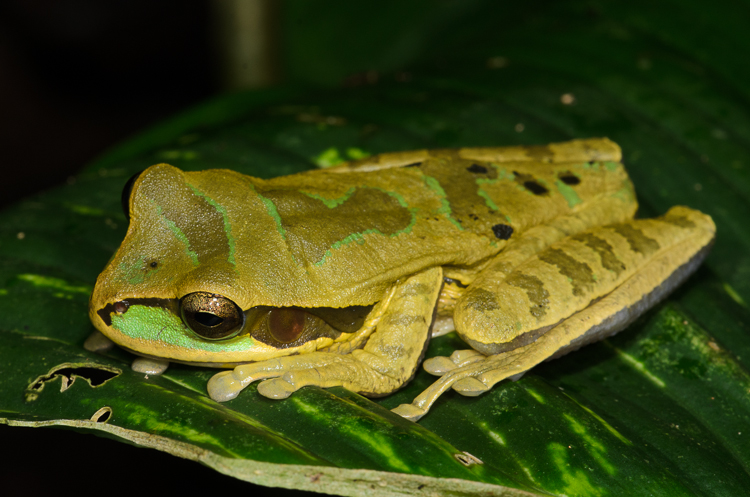 |
| Smilisca phaeota |
We were a bit higher in elevation than La Selva, and there was a new Craugastor in town.
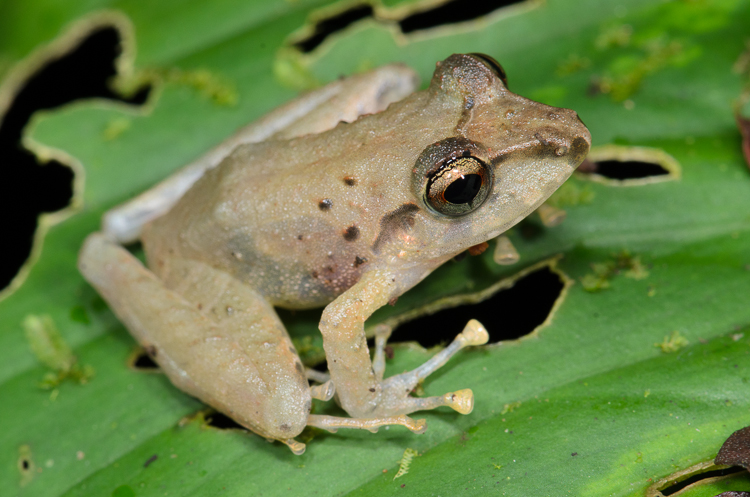 |
| Isla Bonita Robber Frog Craugastor crassidigitus |
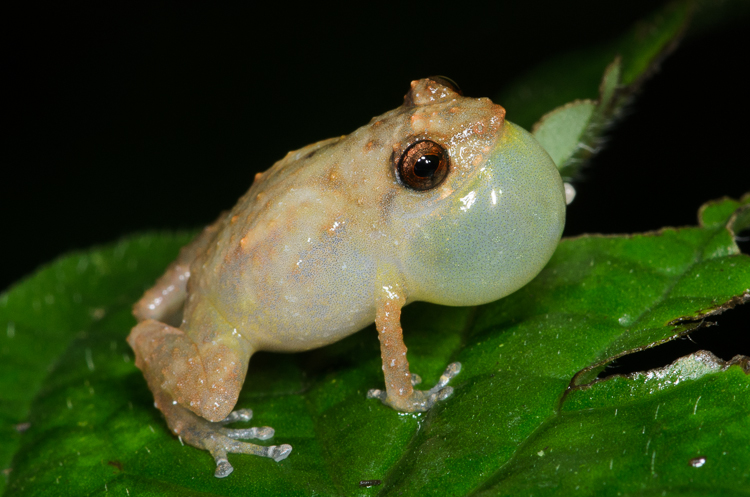 |
| The Tink Frogs were calling, Diasporus diastema |
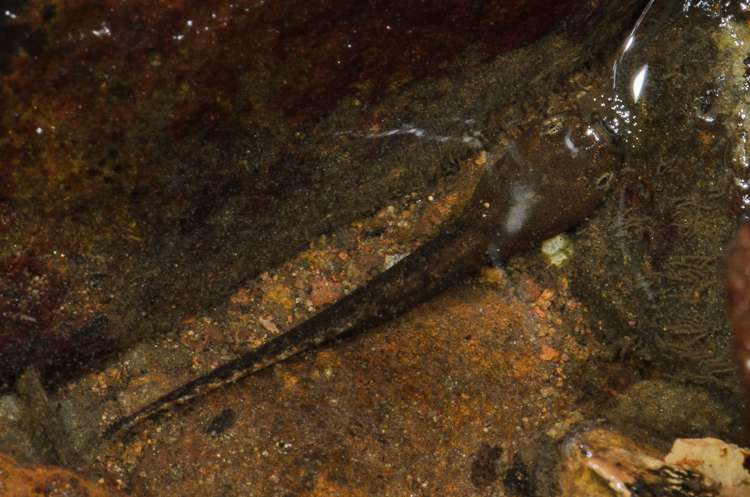
We started to explore some streams and seepages along the Siquirres River, and more new frogs started to show up. Let there be glass frogs!
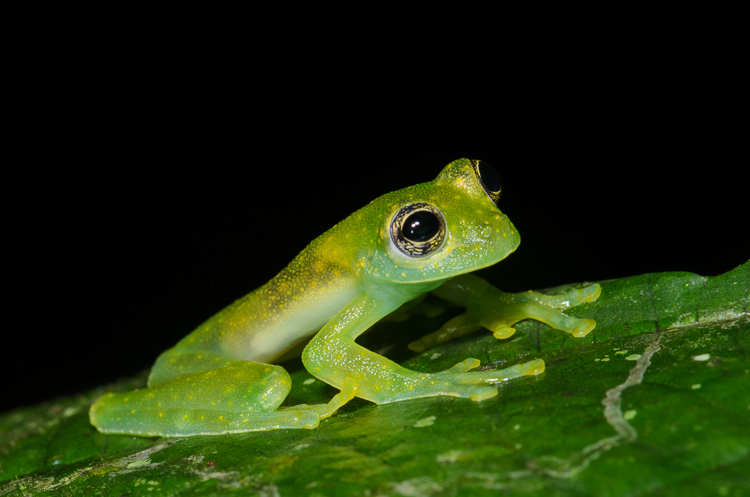 |
| White-spotted Cochran Frog Sachatamia albomaculata. I wish I had photographed this frog better. |
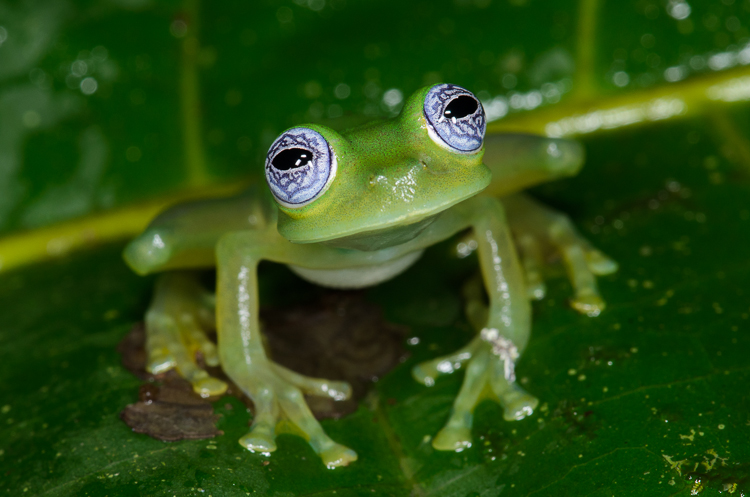 |
| Limon Giant Glass Frog, otherwise known as Ghost Glass Frog Sachatamia ilex |
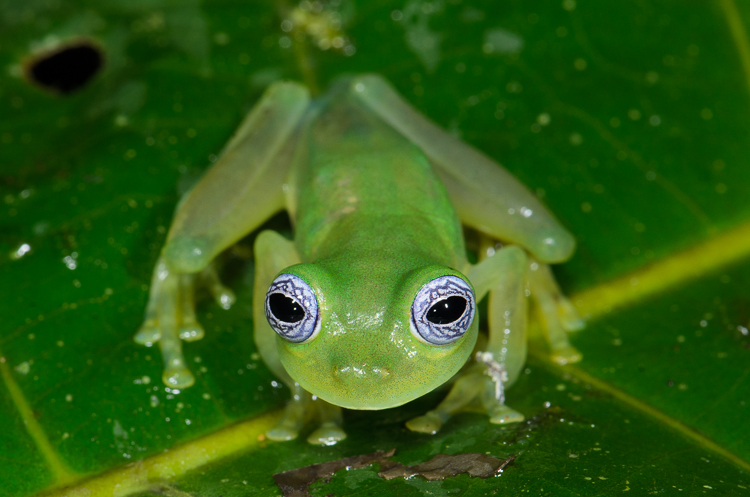
Palmer's Treefrog Hyloscirtus palmeri was next. This was a very uniquely shaped frog in my opinion, it's smile is endearing.
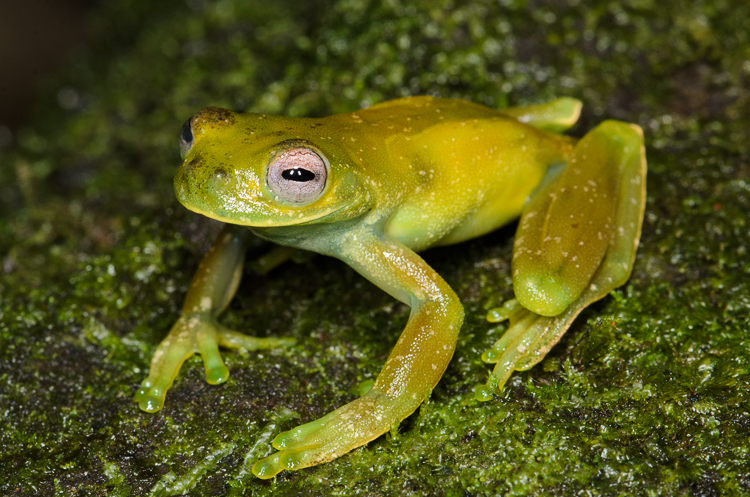
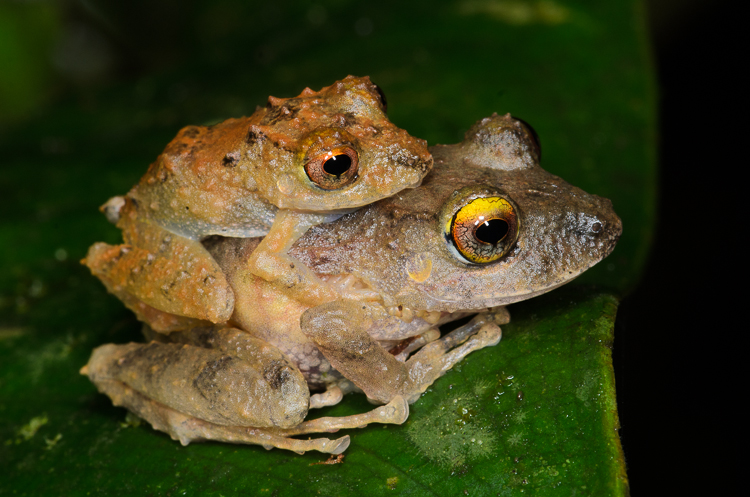 |
| Amplectic Pristimantis cruentas |
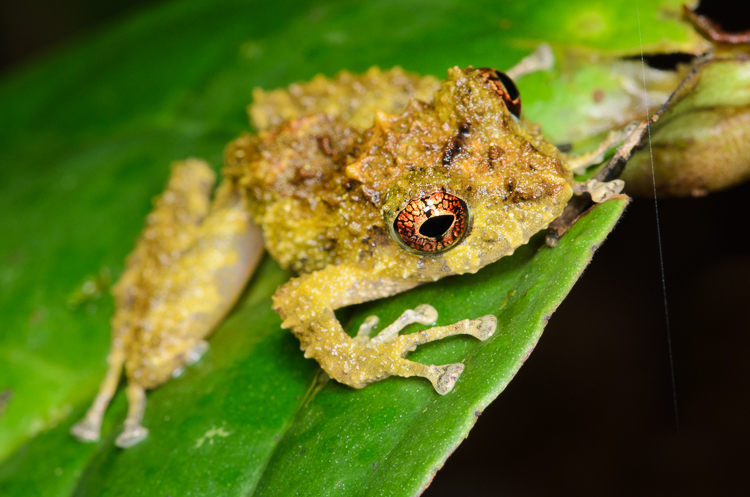 |
| More Pristimantis cruentas |
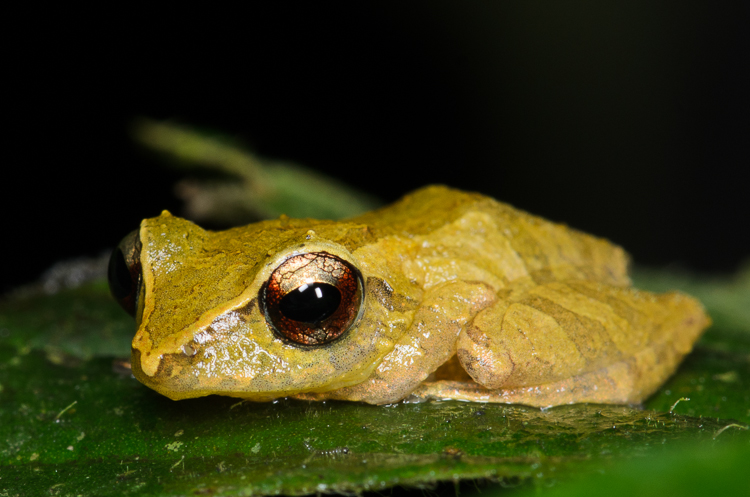 |
| Pristimantis ridens |
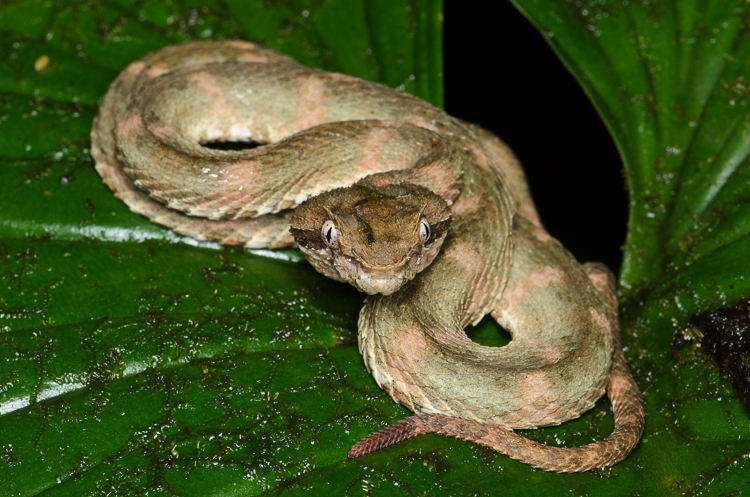 |
| Eyelash Viper Bothriechis schlegelii |
We turned up a couple of these awesome frogs throughout the night. This became another one of my favorites of the trip.
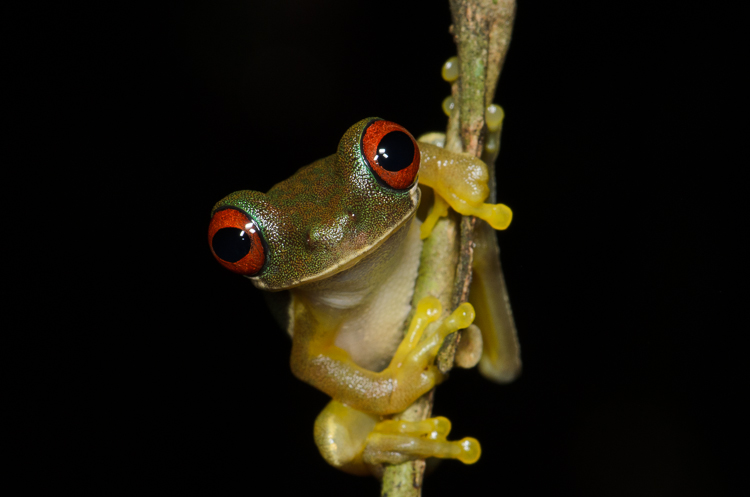 |
| Rufous-eyed Brook Frog Duellmanohyla rufioculis |
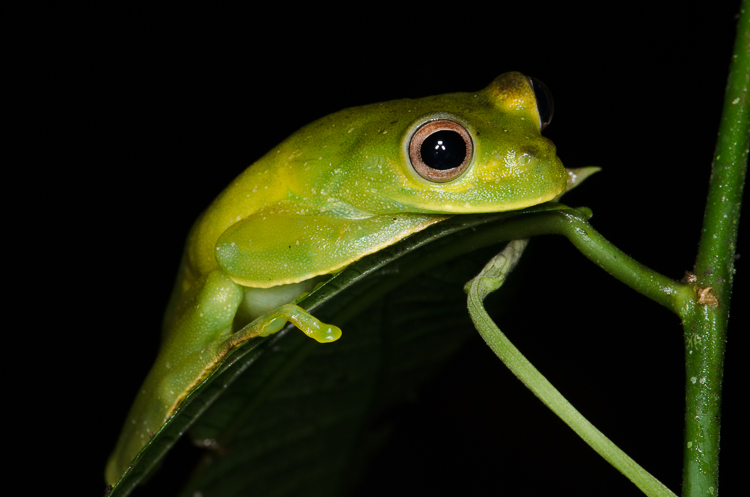 |
| Another palmers. |
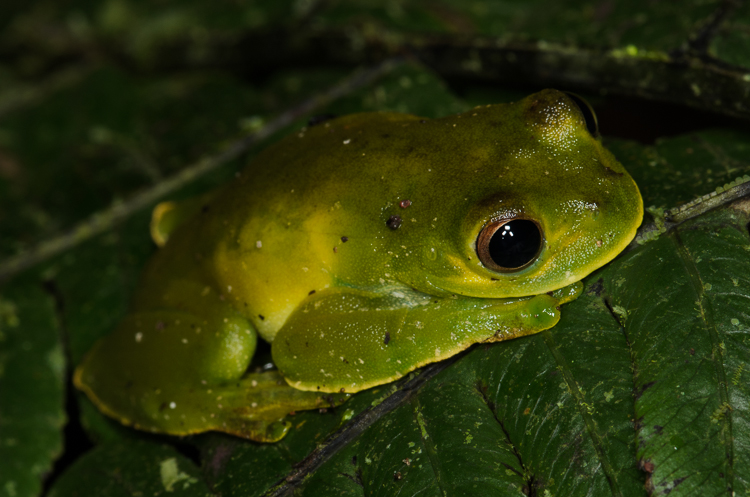 |
| And another. |
Most of the hike we were finding frogs left and right. There were some slower times as we moved to different areas though, and we all enjoyed picking Kubicki's brain on his knowledge of his land the the herps on it. My brother was still dreaming about ugly water snakes, and Kubicki had mentioned he saw them fairly frequently in the smaller streams. Not too long after...
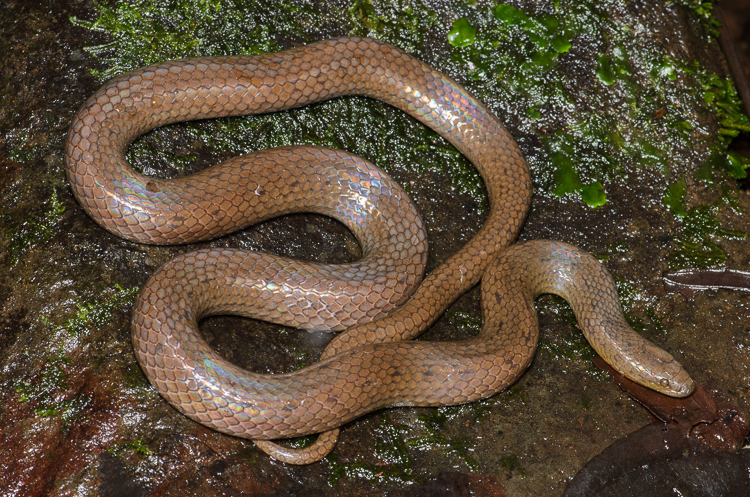 |
| Costa Rica Water Snake Hydromorphus concolor. Brian was ecstatic. |
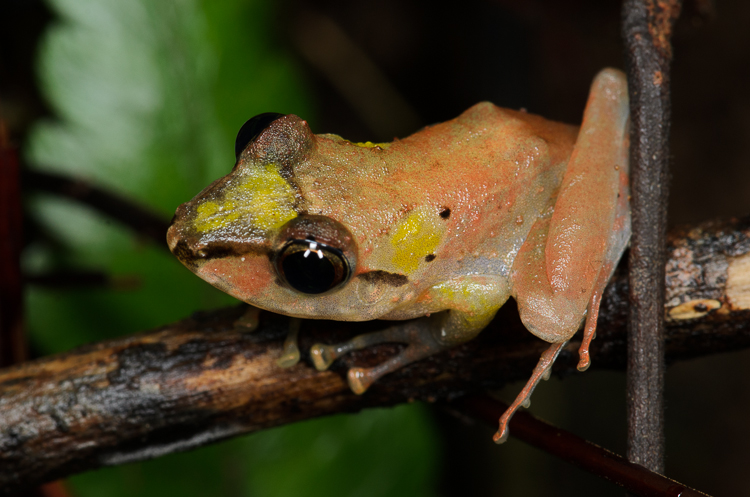
I believe this is a good looking Craugastor crassidigitus
We saw a few of yet another glassfrog species - The La Palma Glass Frog Hyalinobactrachium valerioi. They liked to call from the underside of leaves.
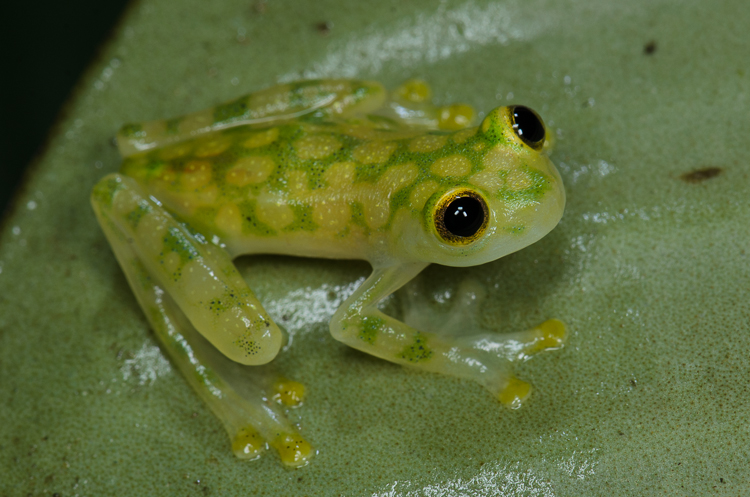
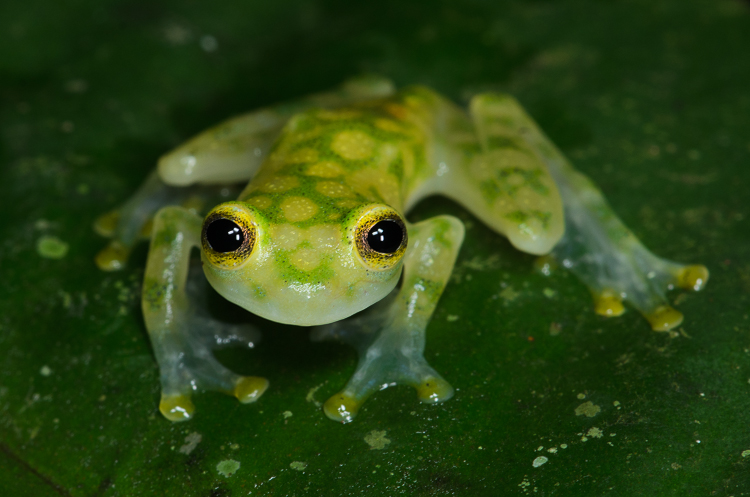
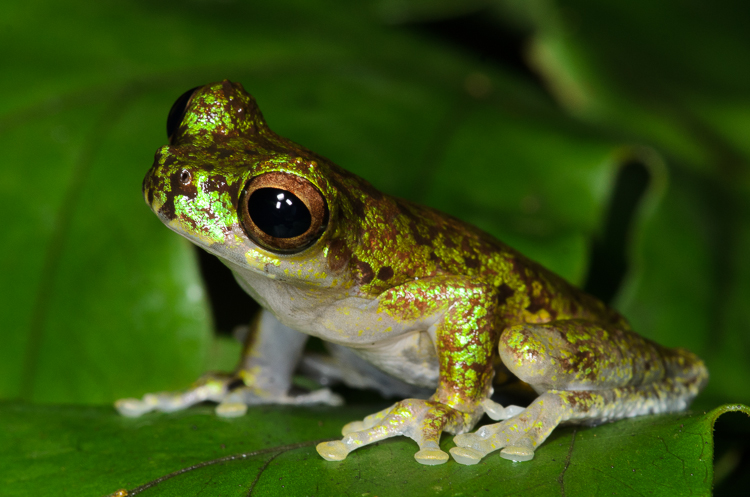
The frog bonanza continued. Lancaster's Treefrog Isthmohyla lancasteri was really stinking cool. Metallic looking.

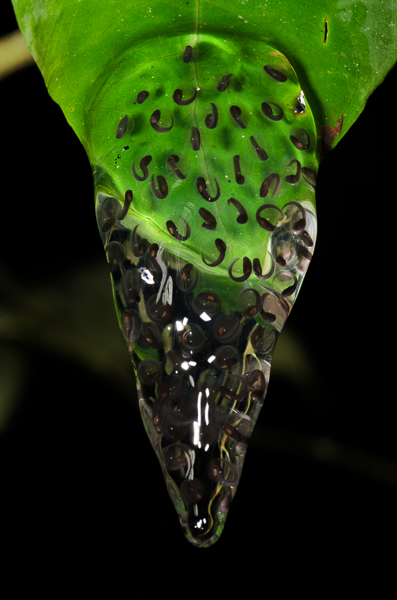
We heard another species of glassfrog - Grainy Cochran Frog Cochranella granulosa, and saw an eggmass, but never saw an adult.
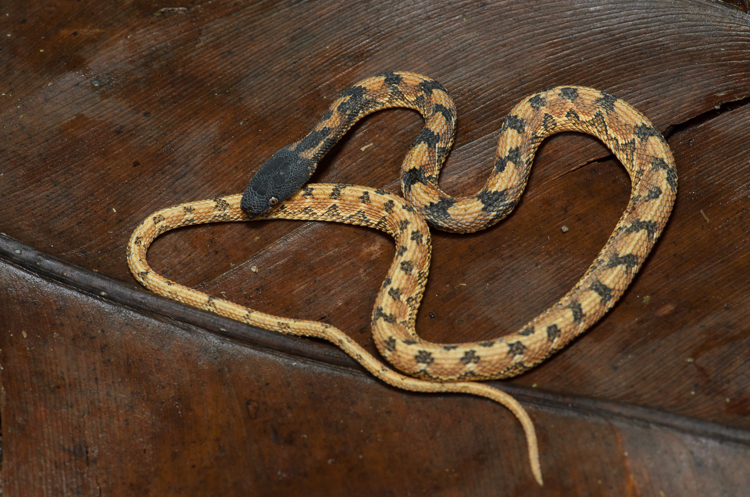
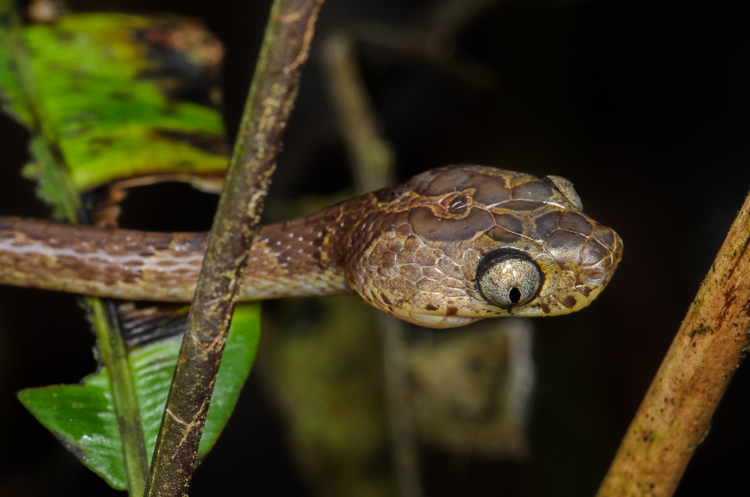
A Blunthead Tree Snake Imantodes cenchoa turned up along the trail.
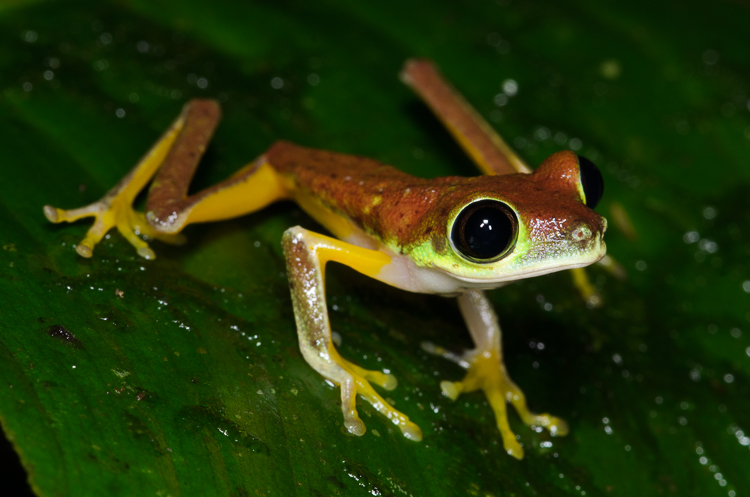
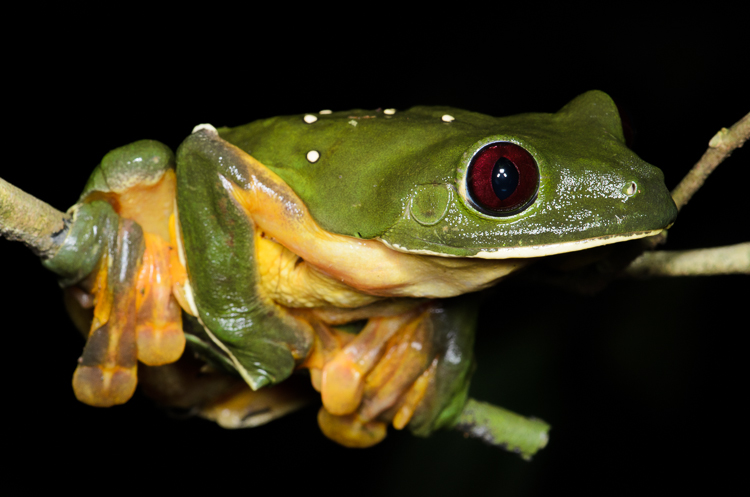
We reached a section of the preserve where the Lemur Leaf Frog, Agalychnis lemur, was more common. A number of them turned up fairly quickly.
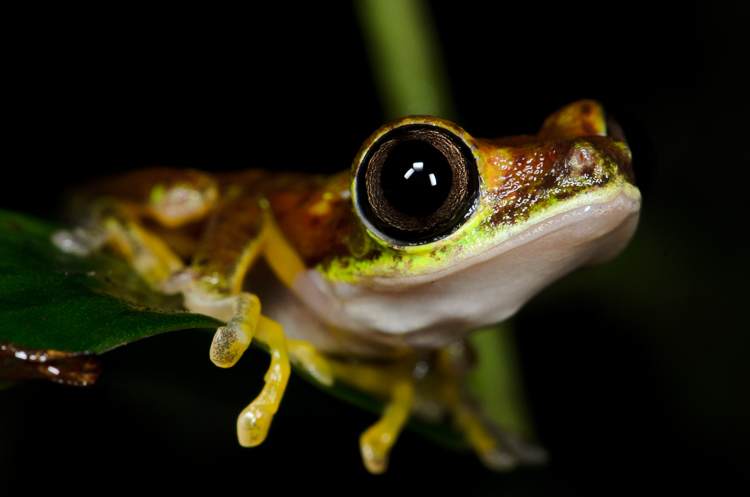
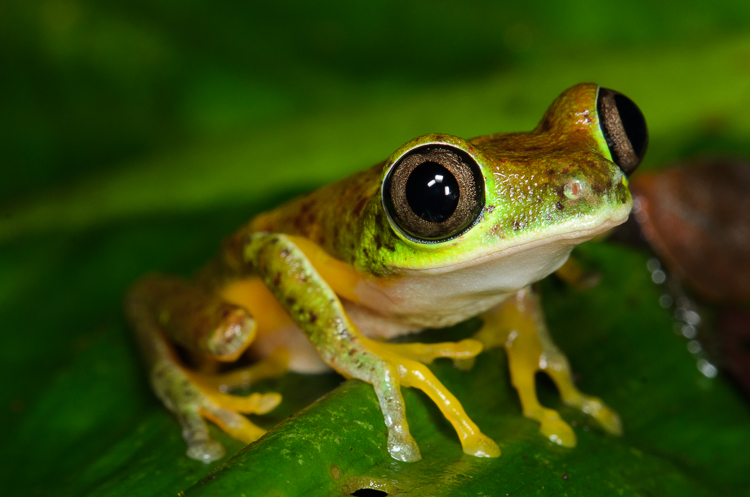
Our first Splendid Leaf Frog Cruziohyla calcarifer at CRARC also turned up in this area.

More lemur. Where do they get the name?
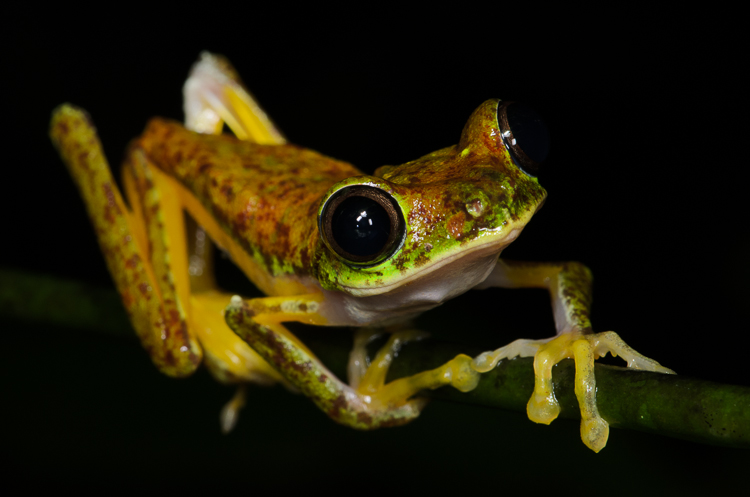
Brian Kubicki continued his quest of finding us new frogs and spotted this Gliding Tree Frog Agalychnis spurrelli from very far away. It was a huge frog with giant webbed hands and feet.
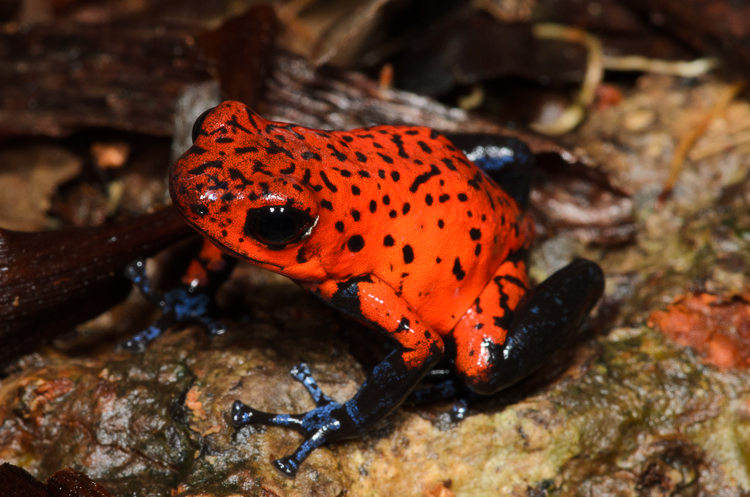
The strawberry poison dart frogs looked a little different here compared to La Selva.
By this time we had been at it for many hours. It was very late, and we were all starting to drag a bit. Every turn in the trail held something new though, and more opportunities for pictures. Some small ponds held a few more species we did not see along the streams and seepages.
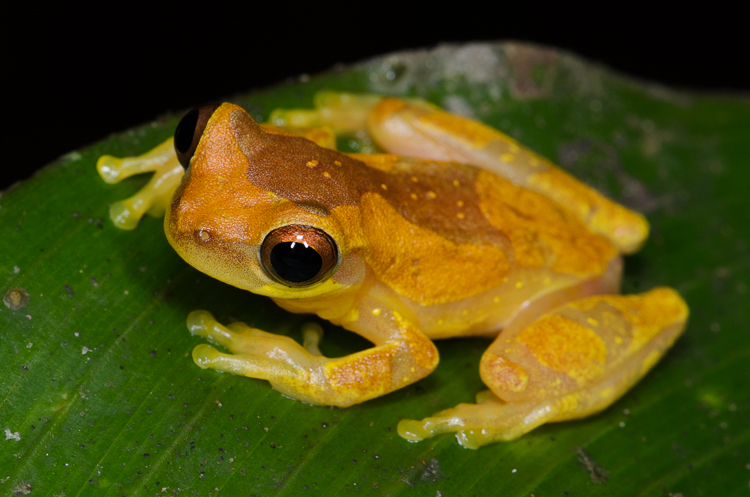 |
| Hourglass Tree Frog Dendropsophus ebraccatus |
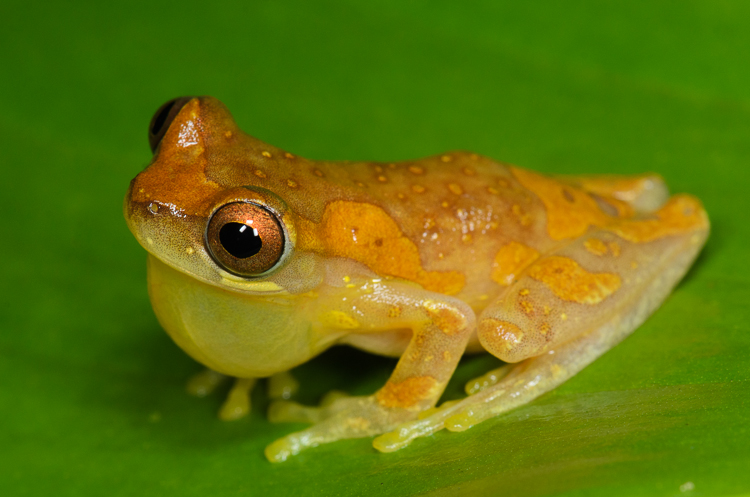
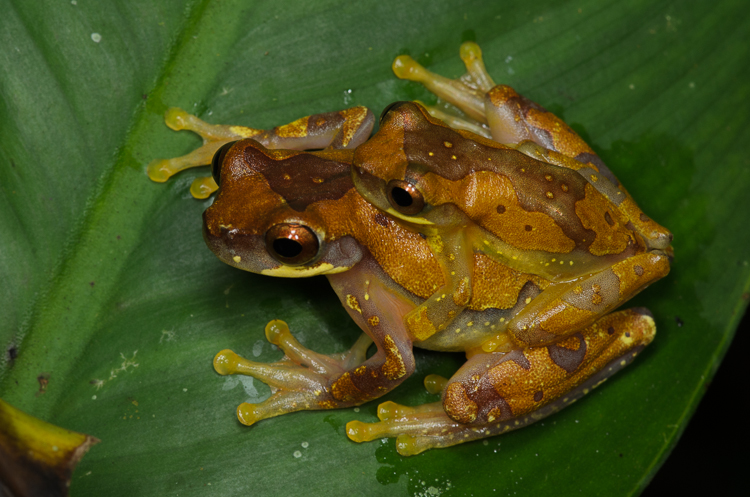
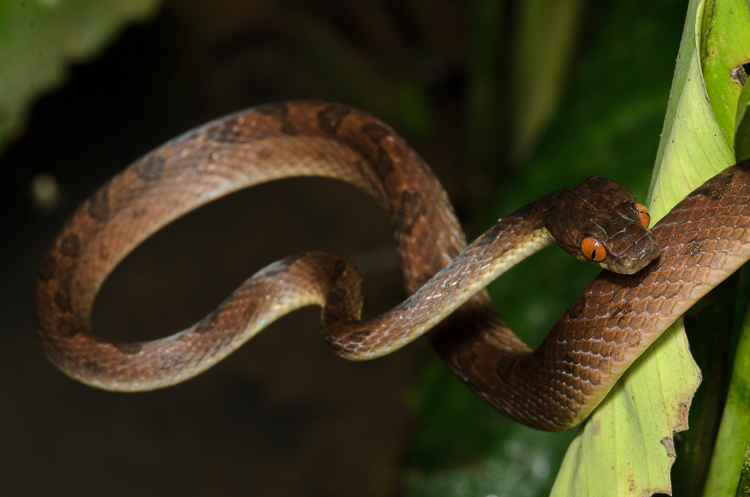
This Leptodeira septentrionalis was hunting in the vegetation the hourglass tree frogs were hanging out in.
We had been looking for salamanders all over La Selva, and we were pretty excited to have a decent shot at them here. It took almost all night, but we finally saw a few.
 |
| Cukra Climbing Salamander Bolitoglossa striatula |
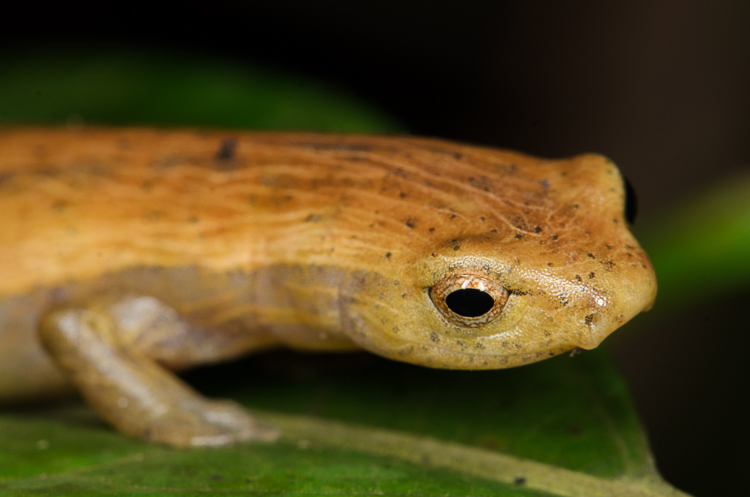
Another pond had yet more amphibian and reptile life.
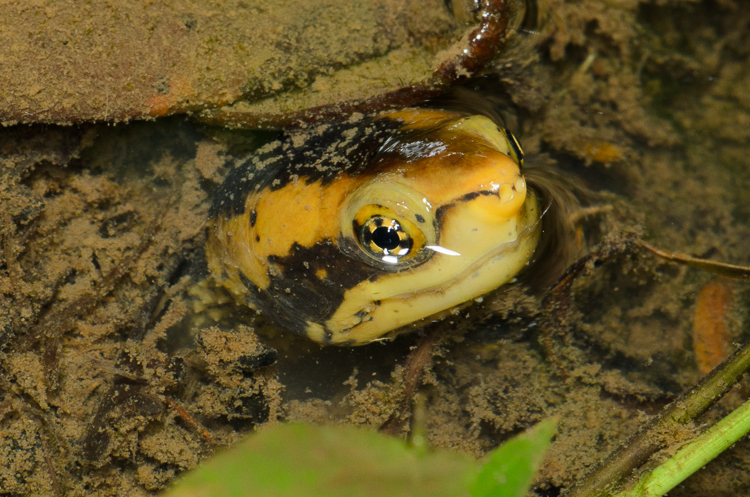 |
| A wary Kinosternum leucostomum |
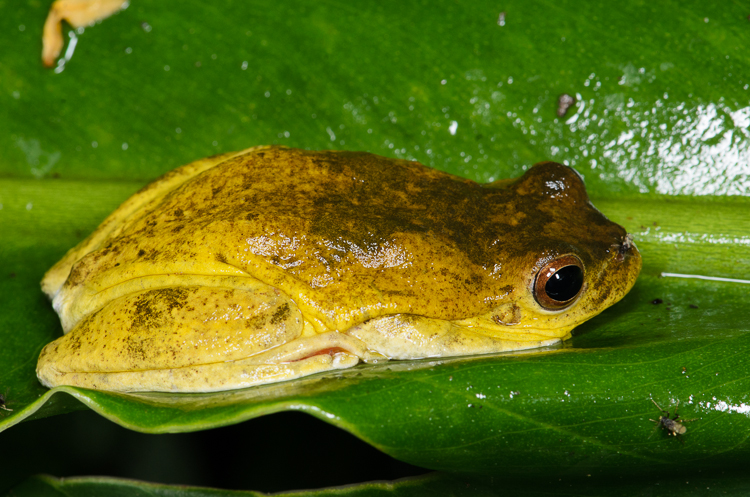 |
| Mahogany Tree Frog Tlacohyla loquax |
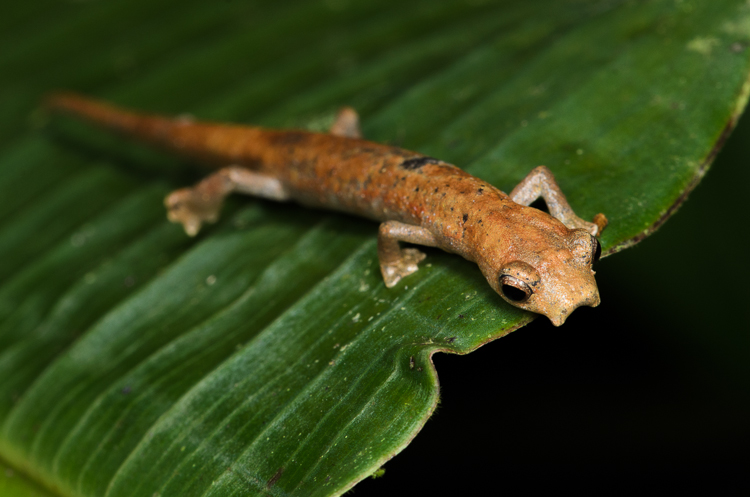 |
| La Loma Salamander Bolitoglossa colonnea |
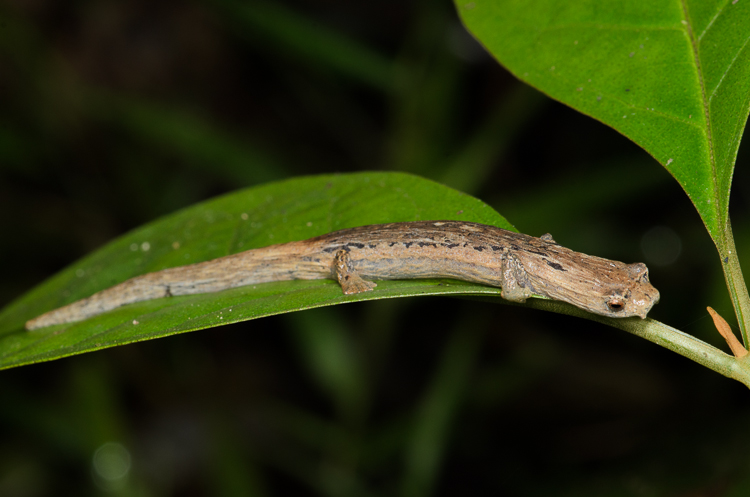
We made a last ditch, half asleep effort for Anotheca spinosa without success. Check it out if you have never heard of it before. A super cool frog. I guess you can't see everything in one night. We thanked Brian Kubicki for his wonderful hospitality and for sharing his knowledge. Although exhausted, we made time to enjoy a last cerveza or two. The alarms were set for early that morning, with the plan of dropping Brian at a bus stop halfway back to La Selva, and then Carl and I continuing on through the mountains and to the rental car return. I was asleep before my head hit the pillow.
I have our final species count for the 6 days at 72. We had some overlap in species between La Selva and CRARC, but in our one marathon night at Finca Kubicki we saw 43 species! It was a great end to the trip.
Brian made it back to La Selva safely the next day after we said our goodbyes. He would still have 5 more months in Costa Rica. Carl and I navigated the mountain passes without any delays from mudslides and got our car turned back in easily. I always try and choose to not lose a night by staying in San Jose the night prior to flights out, but it invites a certain amount of risk going through the mountains the morning of your departure. Luckily, this has not been an issue on my trips so far.
The trip was a huge success. We got to visit Brian, get a feel for some of his research, and saw many of our targets. It was great to "get the gang back together". I hope we can continue to schedule trips every year or two as we have been doing. I am sure Costa Rica will be in our future again.
BH
You can see Part 1, Part 2, Part 3 and Part 4 here.