Buckeye Herps Blog

A photographic journal of the reptiles and amphibians of Ohio, Michigan and other places interesting wildlife call home.
Showing posts with label Trips. Show all posts

Saturday, March 2, 2013

Bora Bora 2013: Part II

This is a continuation of our recent trip to Bora Bora in Feb 2013. If you missed Part I, click here.

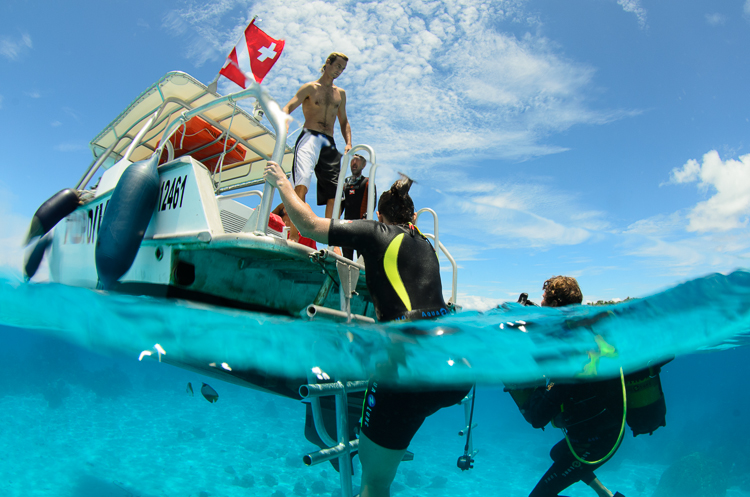
I hope to start sharing more pictures from our diving in these installments. We chose to dive with Topdive Bora Bora as there was an office located at our resort. I can recommend them highly. We booked a group package ahead of time and prepaid to save a little money. We were very pleased with our experience. We dove mostly with Cyril, but also interacted with Julian, David and Freddy. They were wonderful to work with and catered well to our skill levels and wish lists.


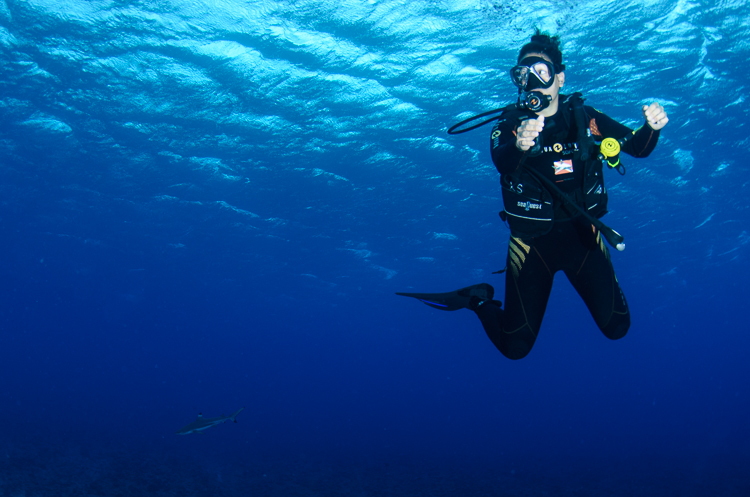
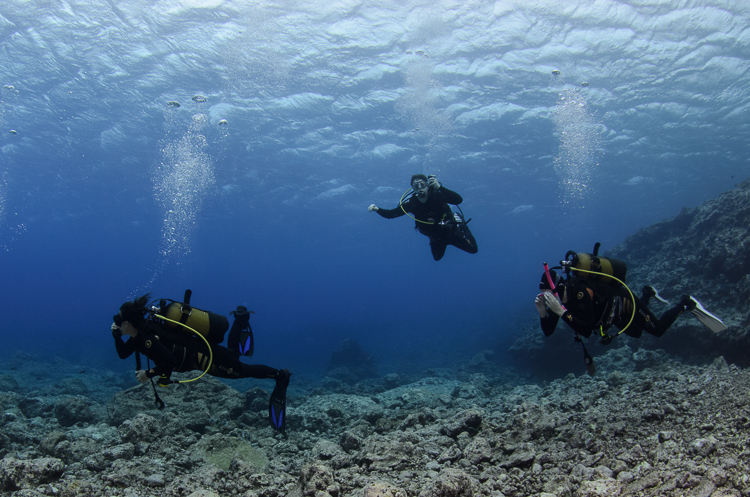
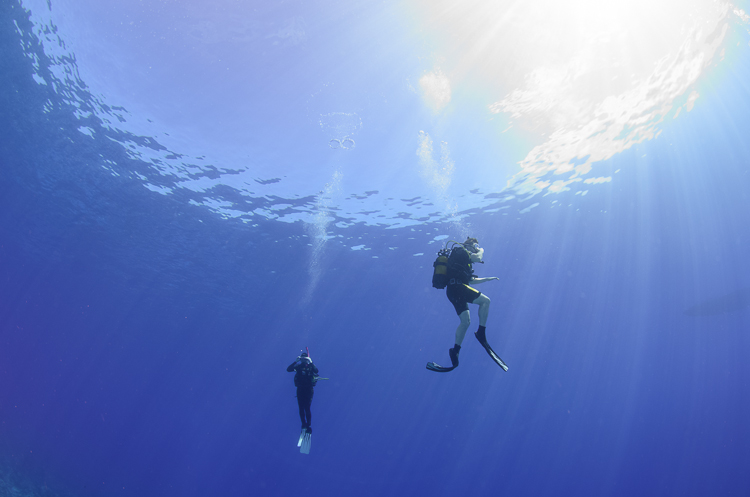
Cyril waiting for the group at the end of a dive
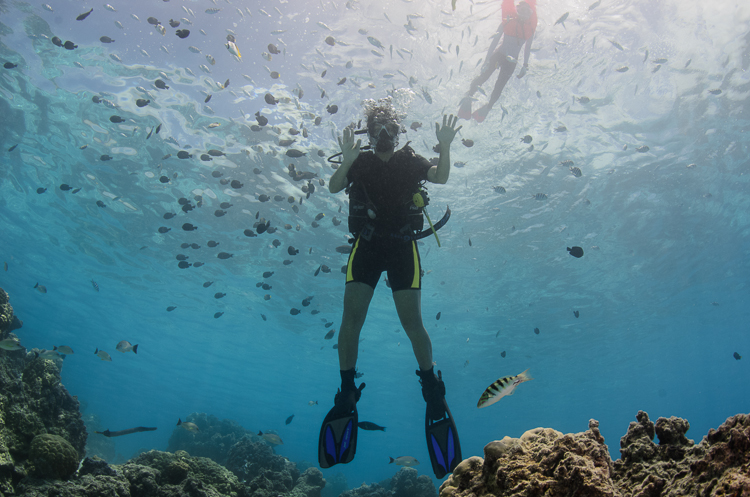
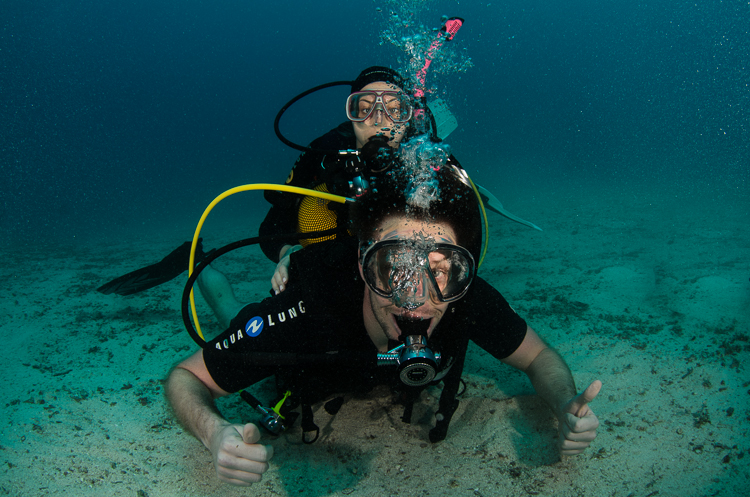
Molly was very newly certified and was extremely nervous regarding diving with sharks and at depth. Despite a recent diver who was the victim of a fairly significant lemon shark attack the day we arrived, they went out of their way to allay her fears and Cyril made sure to keep an eye on her comfort level while diving. There was no pressure from them regarding her fear, just reassurance. We started with a few dives that didn't have as high numbers of sharks, and luckily did not see any on these dives. The next few days did feature some sharks, but Molly was able to acclimate well and ended up being quite comfortable with the local reef sharks in fairly high numbers by the end of the trip. I am fairly certain she actually enjoyed the diving greatly!


I was very proud of Molly during this trip. She logged 10 dives and I watched her blossom into a capable and relaxed diver. She worked to fine tune her buoyancy as the trip went on and her skills far surpassed many other new divers we interacted with on our many days of diving. I found my own comfort level increased as the trip went on because I really didn't have to spend time worrying about her. I know she will only improve from here and I look forward to many future dives with her. Just six months ago I was practically begging her to get certified, and we seriously wondered if she would dive at all on the trip!


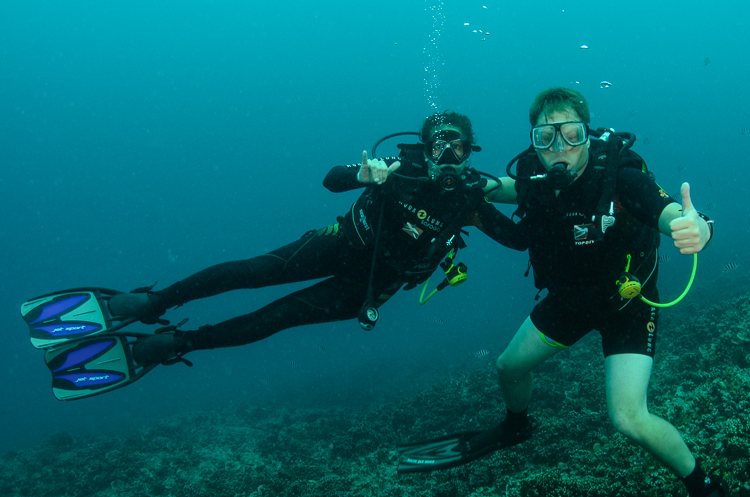
Rob and Cassy are also fairly newly certified. It was great to have a couple of close friends to share the trip and experience with. We played some mean games of euchre while topside during our lazy afternoons!


You might notice the different hues in the water and obvious clarity differences. Most of the diving in the open ocean, out of the lagoon had deep blue, clear water. Parts of the lagoon had great clarity, but other parts were very sandy, or had high amounts of plankton. We tended to dive these sites more due to the presence of wildlife that we focused many of our dives on. The next installment with focus on the animals we saw while diving, especially while I was shooting wide-angle.

Stay tuned for Bora Bora Part III.

Happy diving!

BH

If you want to read the rest: Part IPart IIPart III and Part IV.

Thursday, February 2, 2012

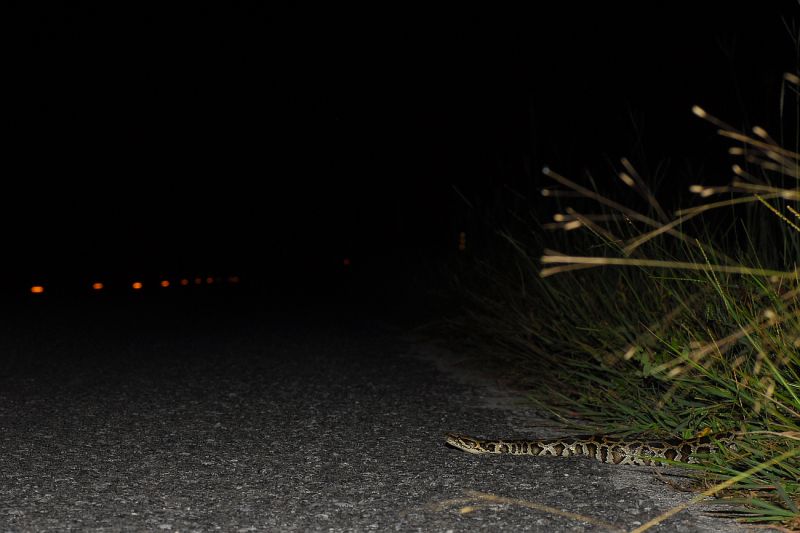
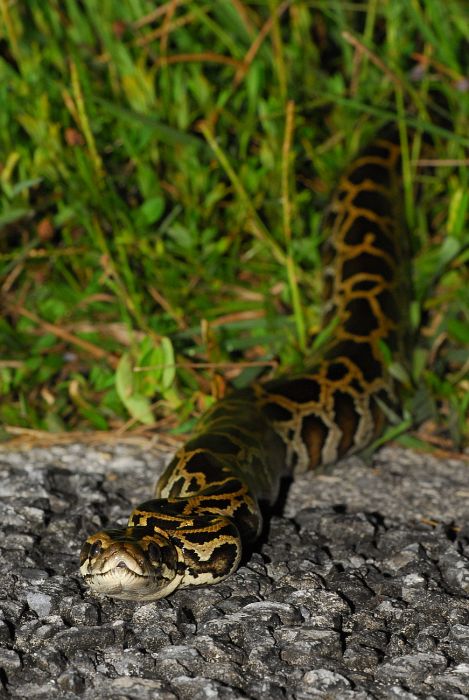
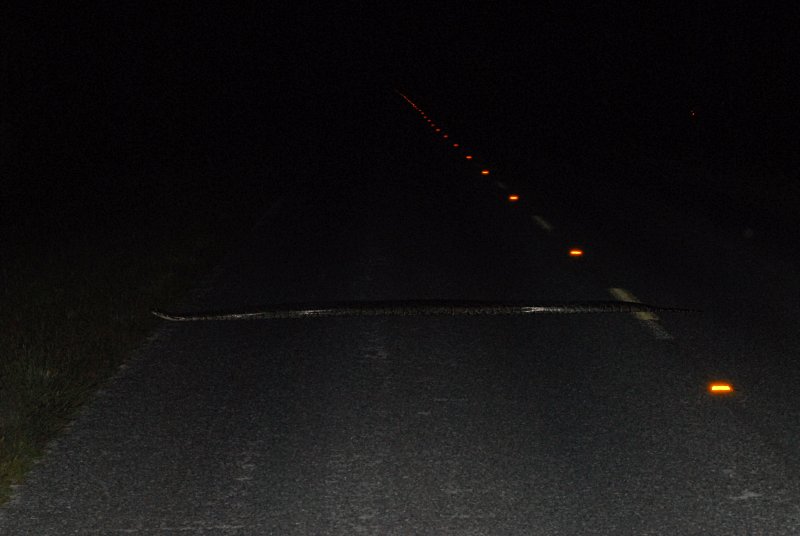
Everglades and Pythons

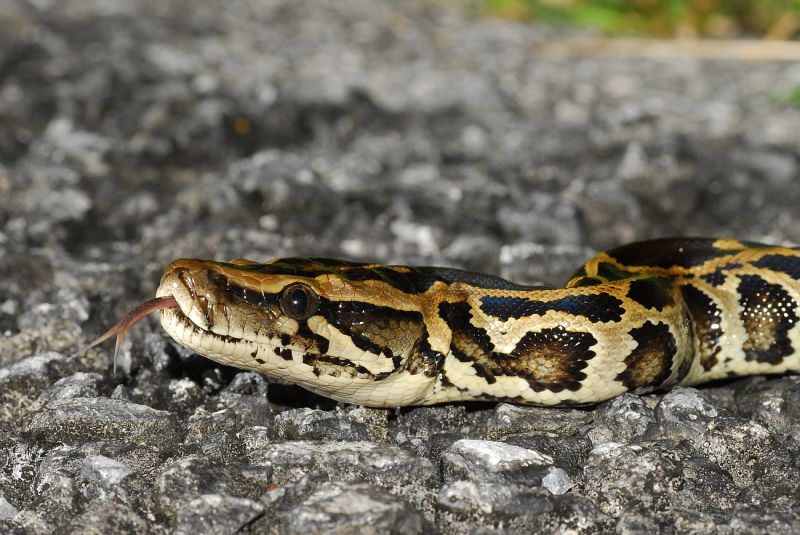
Pythons have been all over the news of late.   A recent paper reported the decline of certain mammals in Everglades National Park since the introduction of pythons a number of years ago.  The title states that mammal population declines coincide with python population proliferation. The paper takes available data, and reports it with some conclusions.  It is flawed, but it is a starting point to look at a very difficult problem to try and study. Yet, tons of fear mongers are freaking out and wondering when the humans are next on the menu?  This is not the researchers fault.  They are just presenting their data, yet our current society pulls the crap out of there and turns it into a horror story.  News agencies. papers and blogs all across the country are spinning sensationalist stories, and I imagine most of them never even read the actual article...


Notice I didn't link these other blogs, papers, magazines, etc.  I linked the actual article.  I suggest if you have any interest you read it too.  I am frustrated because I am leaving for a trip to the Everglades on Friday.  I am extremely excited to kayak the back country and camp on a barrier island or two.  I hope to do some fishing, a little birding, a lot of photography and much herping.  Everyone who hears about my trip the last few days has warned me to "watch out for the pythons", or "try not to get eaten".  This is all complete crap.  I admit the pythons are there.  I admit they are a huge problem.  I admit they need to be studied.  I admit that they are likely having detrimental impacts on the Everglades ecosystem.  We do not yet fully understand their impact or role, and honestly we never will.  We also will not eradicate them. This is all scary.  I understand people will hate them because they are snakes.  I understand they are very big.  They are not what media will have you believe though.  Most people probably think I am full of crap, but I have actually seen pythons in the Everglades.  I also know a couple people who worked on that exact python paper, and who have caught countless pythons over the years.  If you asked me or any of them if they feared for their lives going to the Everglades because of the pythons I bet you would might get some chuckles.


We will never fully understand this situation.  We will do our best to try, because it does matter, and because declines are worrisome.  The study was just the tip of the iceburg though.  They used road cruising techniques because that was the only available data from before the introduction of the pythons.  If you look at a map of ENP though, there sure isn't much road running through all that swamp...  We do have to keep studying this situation.  We do not need to make blanket, knee jerk reactions out of fear.


Maybe this time next week I will have new python pictures.  What I really hope is that I will have pictures of animals that are really awesome, such as the eastern diamond-backed rattlesnake or the endangered american crocodile.  I will try not to be eaten in the process.


BH


Saturday, October 1, 2011

Arizona and Califorina 2009: Part II California

The California leg of the trip was much more successful from a herping standpoint.  We spent more time in California, and I was able to get out a few days.  This was my first trip to California and I enjoyed experiencing a new set of diversity and herpetofauna.

One morning I was invited out by a buddy who I had shown around a little bit in Ohio a few years previous.  He had a board and funnel trap survey so we set out to work over his site.  We were out bright and early, hitting the boards before it got too warm.  The details are a little sketchy this far out, so commentary will be fairly brief.

Early on we turned up a   .  We were lucky to catch it first thing, before they warmed up so it cooperated well for photos.

Aspidoscelis hyperythra beldingi - Belding's Orange-throated Whiptail

The first snake was my first gopher snake.

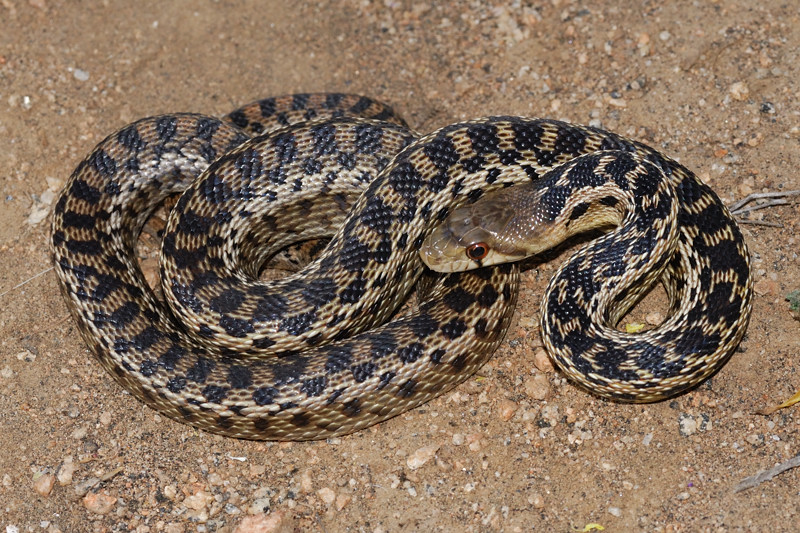
Pituophis catenifer annectens - San Diego Gopher Snake

This spiny was able to be caught while scurrying around the shrubs and bushes.

Sceloporus occidentalis longipes - Great Basin Fence Lizard

We flipped this nice looking alligator lizard under a board.

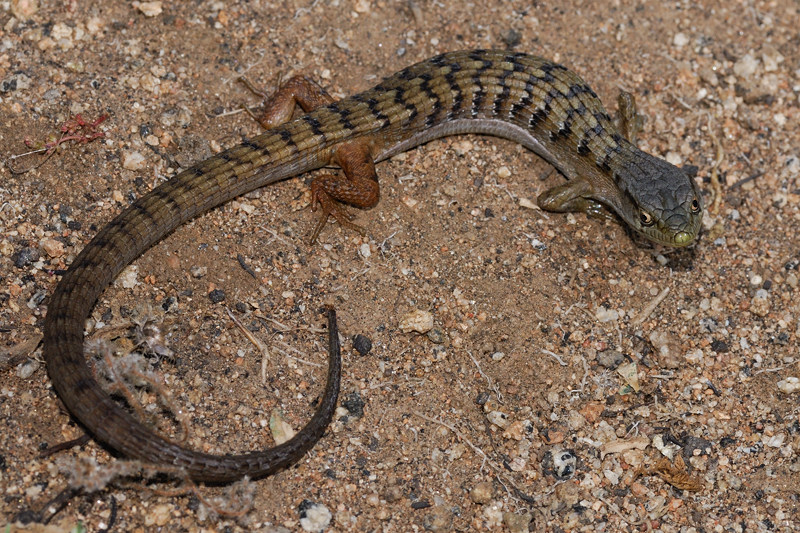
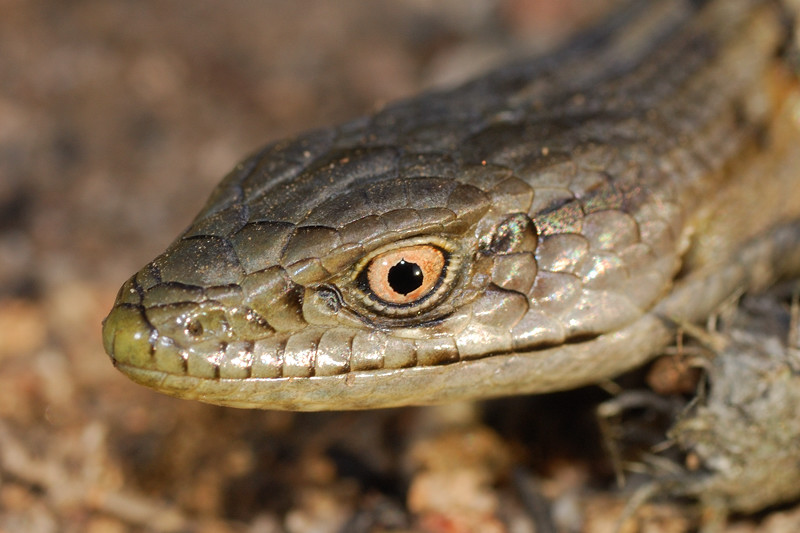
Elgaria multicarinata webbii - San Diego Alligator Lizard


The sideblotch lizards were prettier than I am used to seeing in Arizona.

Uta stansburiana elegans - Western Side-blotched Lizard

Striped Whipsnake also flipped under a board.

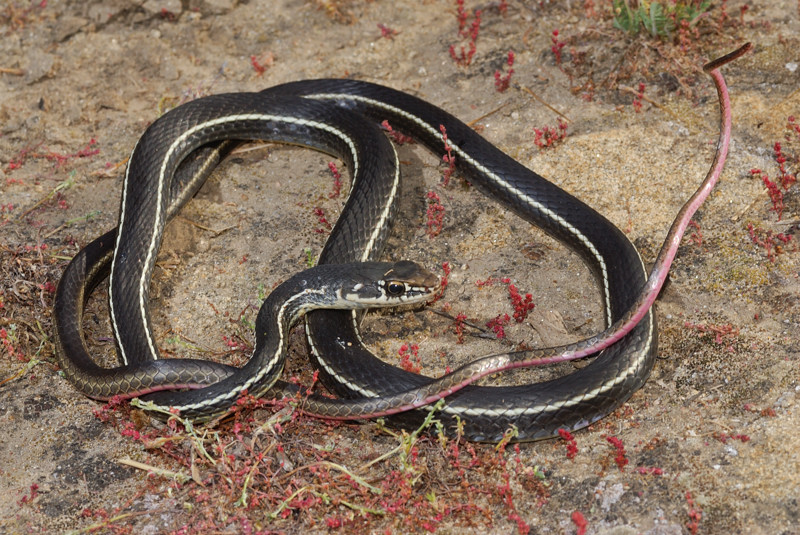
Coluber lateralis lateralis - California Striped Racer

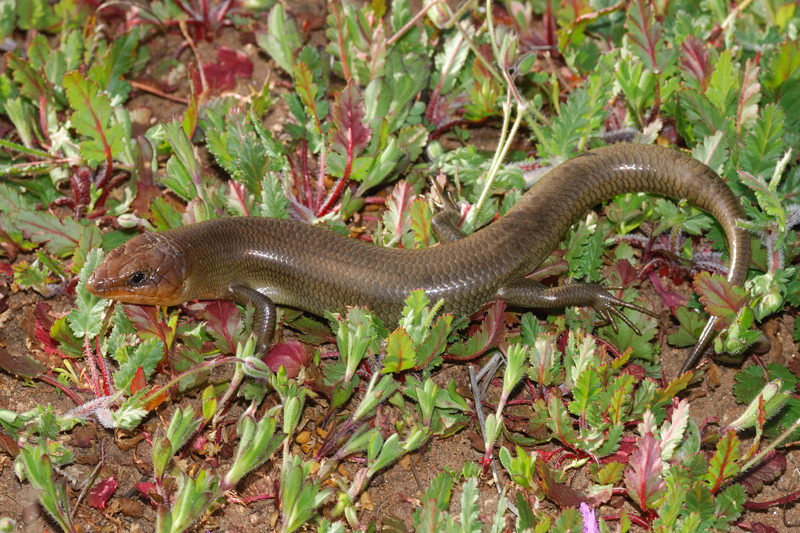
Gilbert's Skink found under a board.

Plestiodon gilberti rubricaudatus - Western Red-tailed Skink

Does anyone know their tarantulas?  I unfortunately, do not have a whole body shot.

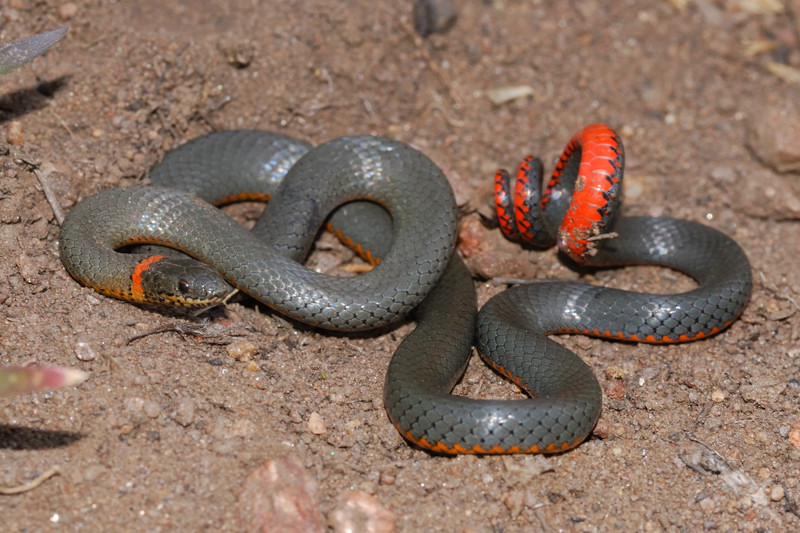
This was the first time I witness a ringneck curling the tail.

Diadophis punctatus similis - San Diego Ring-necked Snake

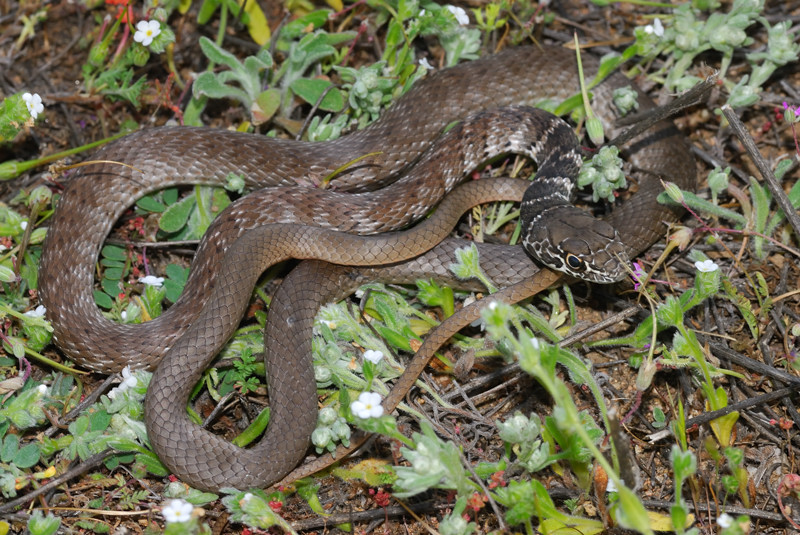
I guess coachwhips are pretty uncommon at the site, but Jeff had been catching one frequently under his boards.  We missed out on the Southern Pacific Rattlesnake but lucked into the coachwhip.

Coluber flagellum piceus - Red Racer

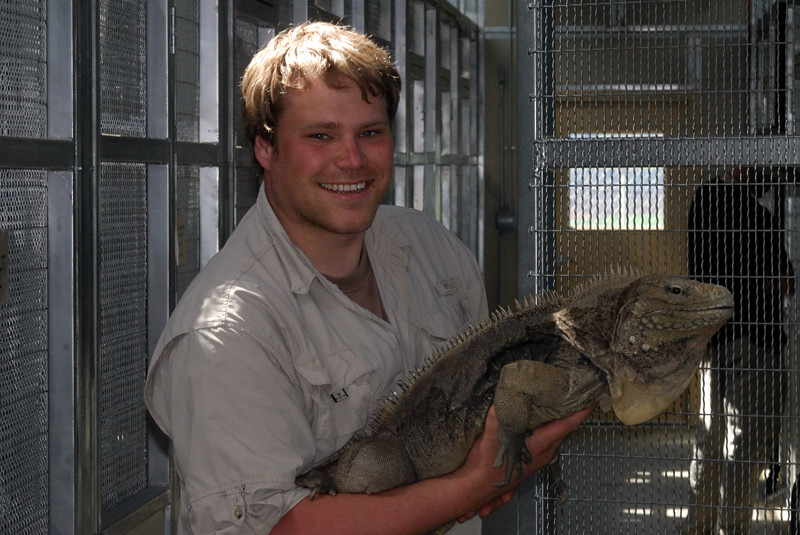
I believe this is the famous, Gitmo, a Cuban Iguana, Cyclura nebila.  They breed a number of critically endangered Carribean iguana species at the facility.

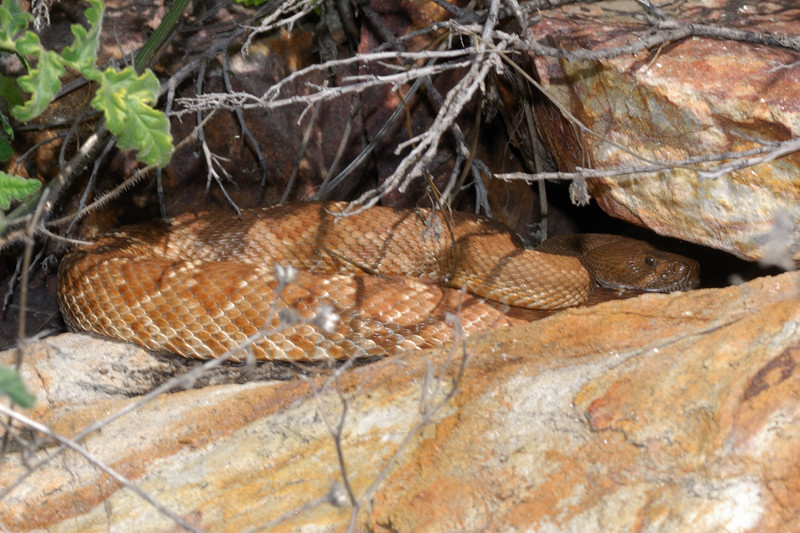
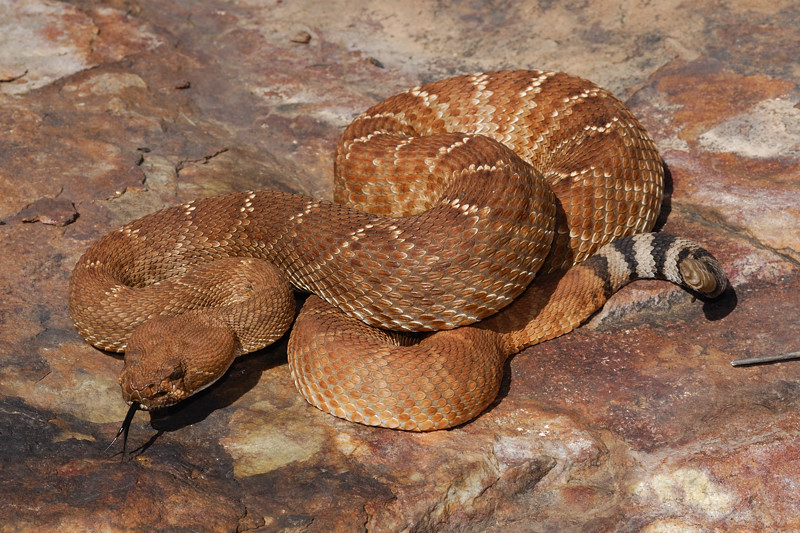
It was a great morning, but Jeff had to get to work.  Another old buddy, Brian H. had been working there as well and took the afternoon off to hike around.  We hit up a nice rocky hillside and quickly turned up a couple Red Diamond-backed Rattlesnakes, Crotalus ruber.
In situ

These were some pretty awesome snakes.  Nice and heavy bodied, but faily well dispositioned.  It was a real treat to see these.

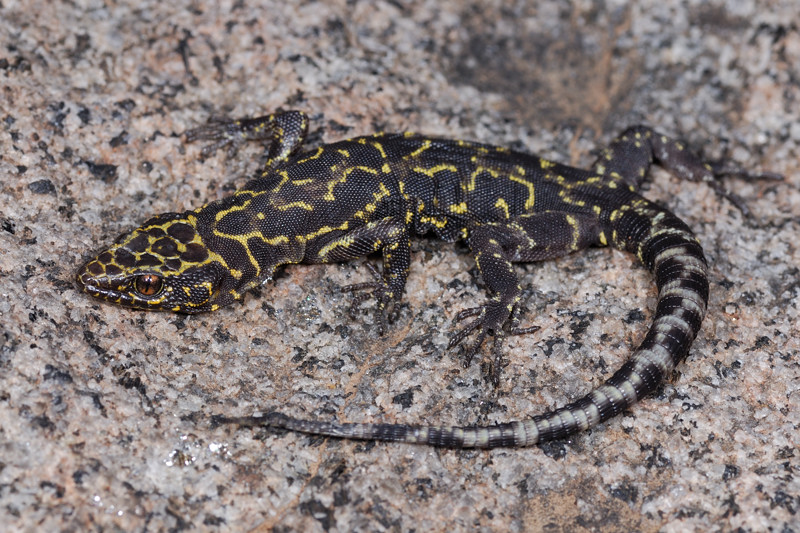
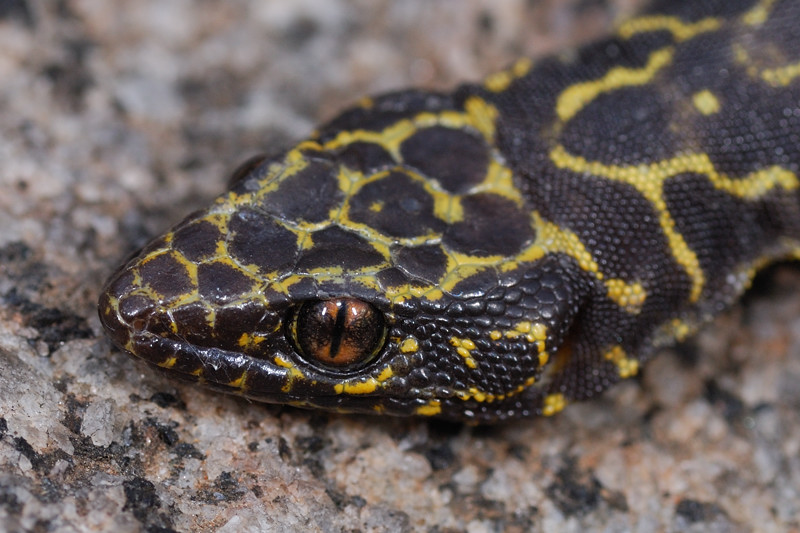
We decided to hike another rocky hillside nearby.  I flipped this awesome night lizard under a small piece of flat rock.

Xantusia henshawi - Granite Night Lizard


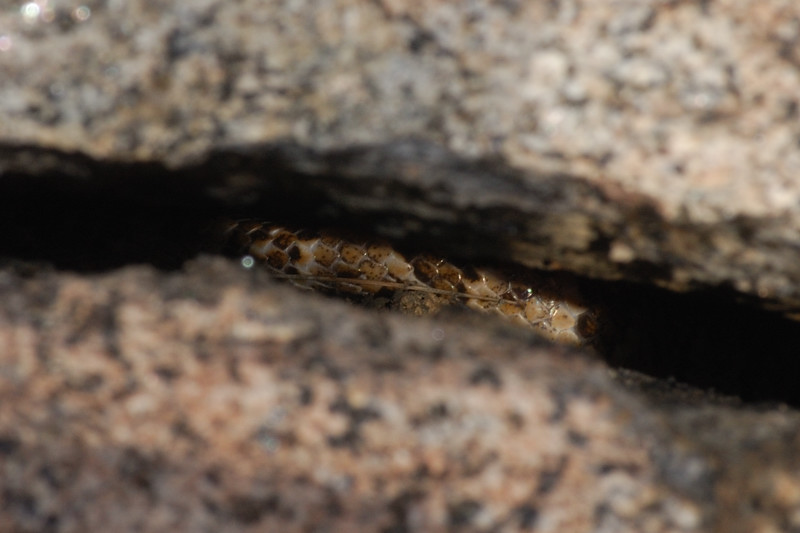
I was also very happy to spot this lyre snake deep in a crack I shined with my trusty mirror (this mirror has been good to me over the years, well maybe twice!)

Trimorphodon biscutatus lyrophanes - Baja California Lyresnake

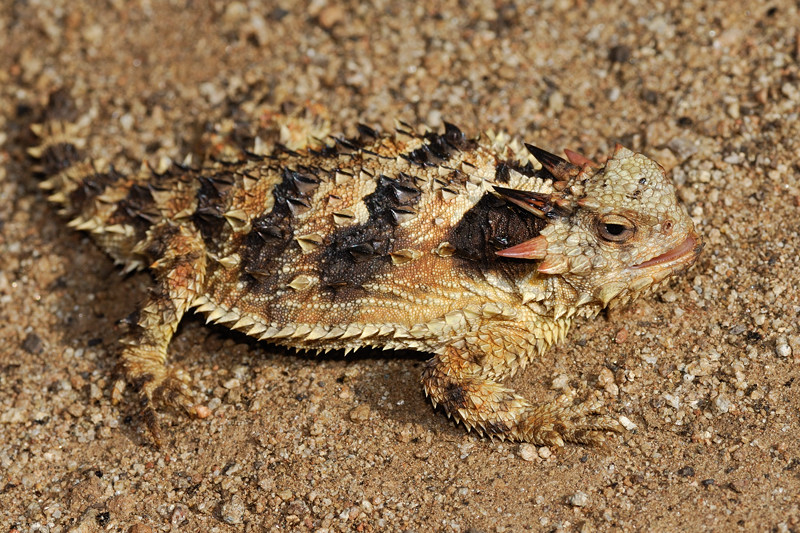
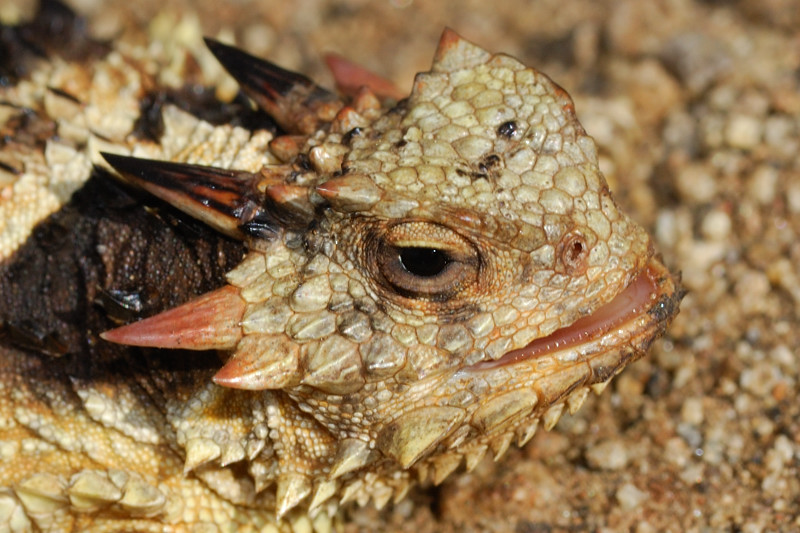
But the find of the day was my first horned lizard.  Brian spotted it scurrying across the trail.

Phrynosoma blainvillii - Blainville's Horned Lizard
(Coast Horned Lizard)


The next day I dragged Molly and our friend Becky to the San Diego Zoo.  If you haven't been, it is world class.  The zoo is unlike any other and has numerous examples of rarely seen animals.  You can spend days wandering the trails and exibits of the park.  I of course, spent hours photographing the herps from all over the world!  If only I had photographed the name cards...


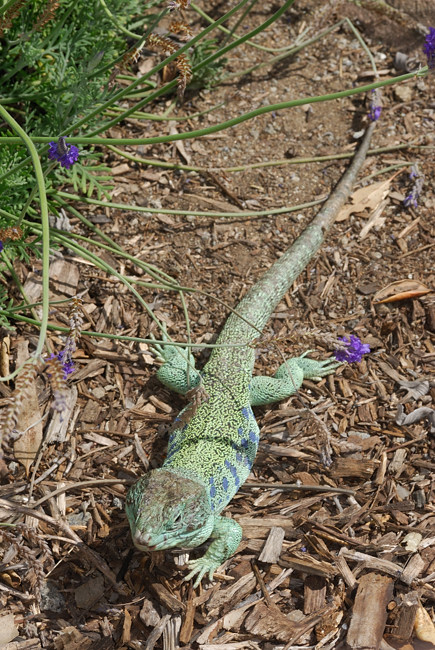
European Green Lizard Lacerta viridis


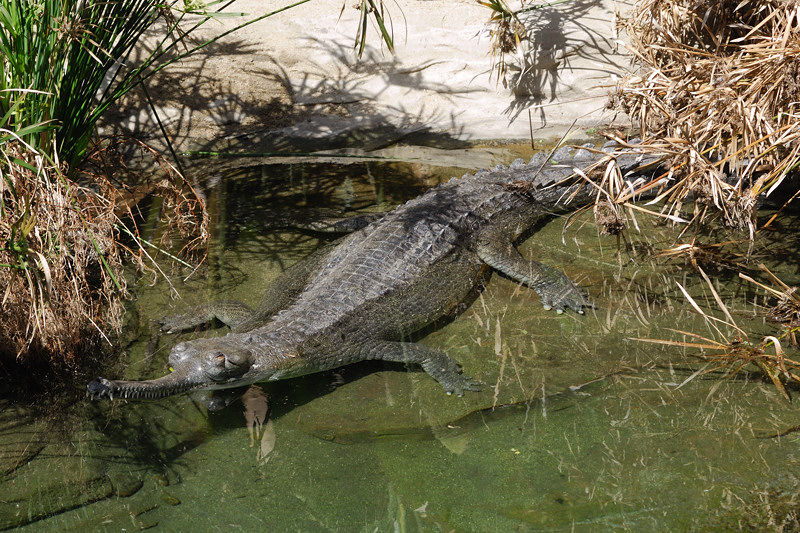
Gharials! Gavialis gangeticus


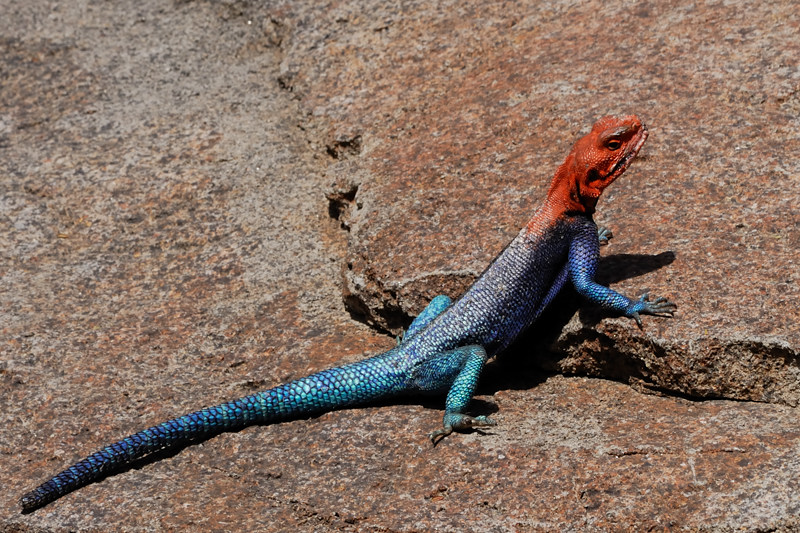
 Red-headed Agama Agama Agama

Chinese Alligator?  I sadly don't remember...  Alligator sinensis

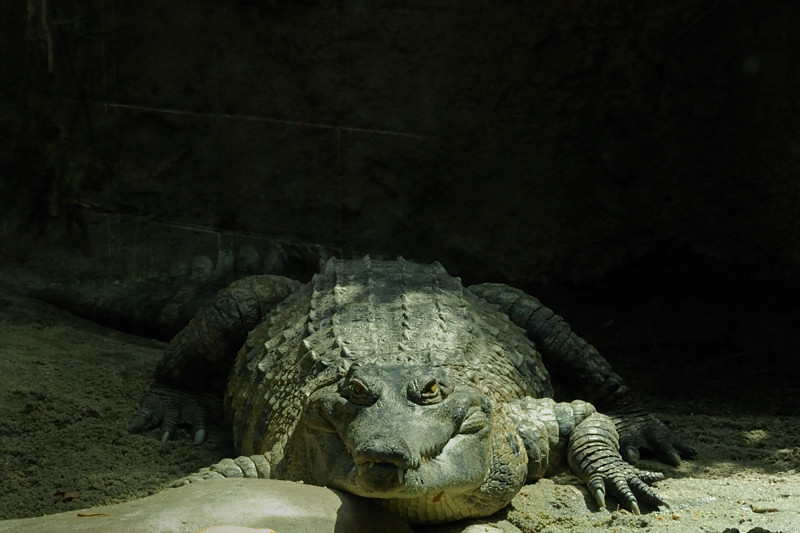
Nile Crocodile? Crocodylus niloticus

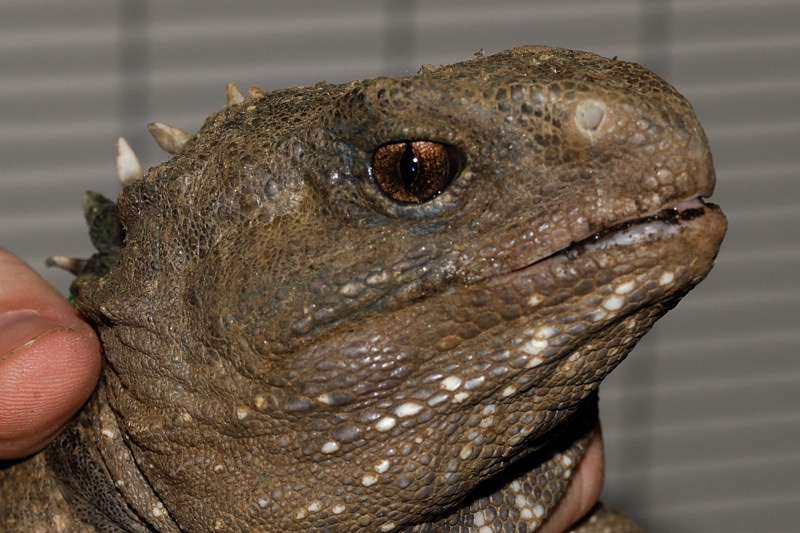
Oh did I mention we saw a Tuatara?  Awesome...

Tuataras are tuataras.  They are dinosaurs, relics from 200 million years ago.  They resemble lizards, but there are only two species left that are in their own Order,  Family and Genus.  They can only be found in New Zealand where they can live to be over 100 years old.   Unfortunately, they reach sexual maturity in 10-20 years.  Unlike other reptiles, they like it relatively cold.  Thriving in 60 degree temperature.

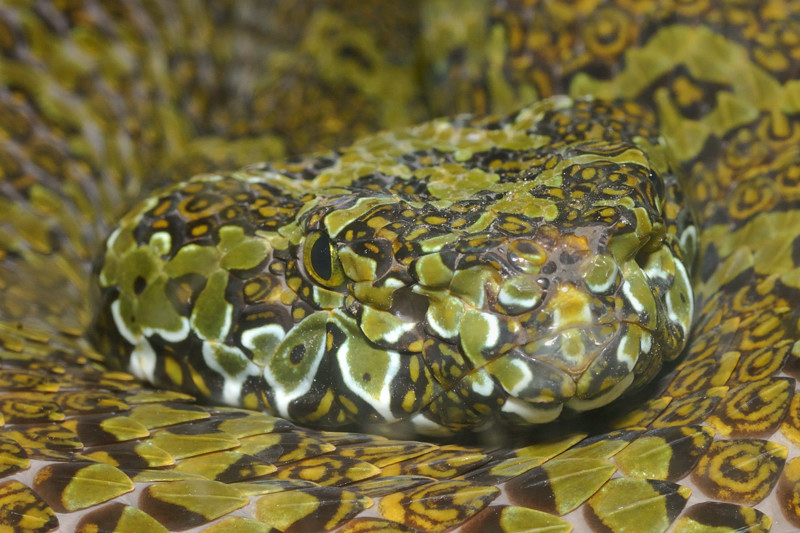
How about a super cool Mang Mountain Viper Trimeresurus mangshanensis, discovered on Mang Mountain China?  They have em.  These snakes are actually quite large.  Much bigger than I had expected.

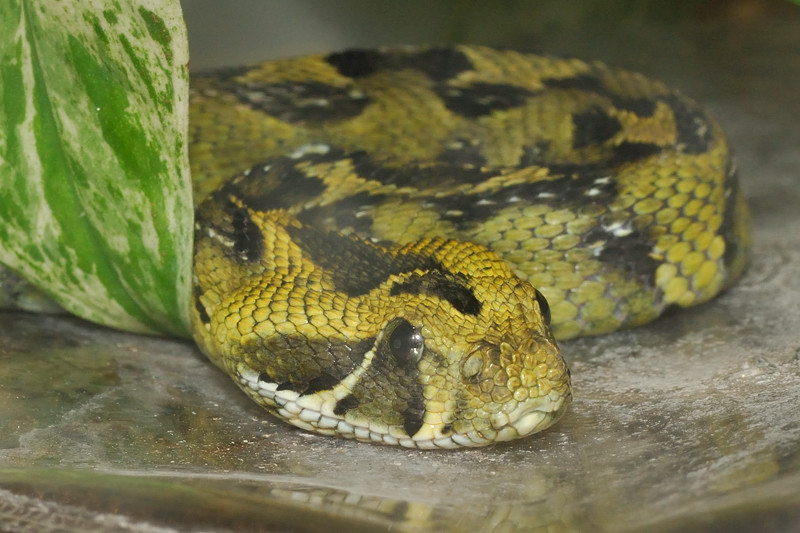
What's the matter, big vipers aren't your thing?  How about the small Ethiopian Mountain Adder Bitis parviocula?


If you don't like snakes, they have cool frogs too!

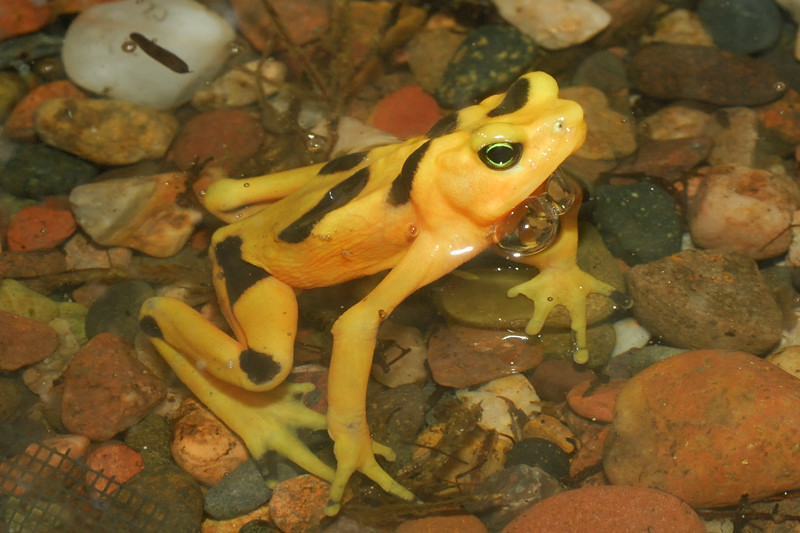
Panaminian Golden Frog Atelopus zetecki

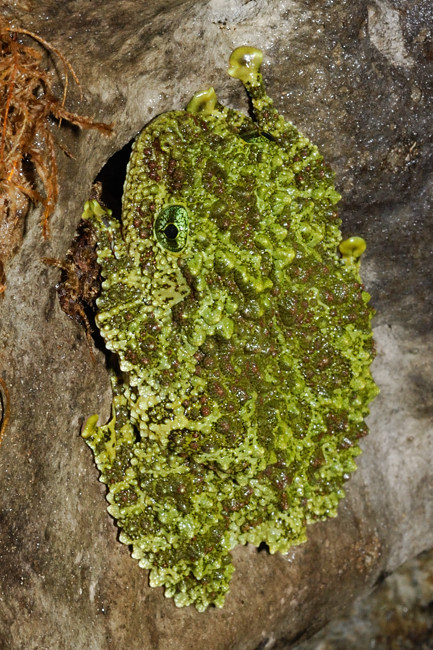
or Vietnamese Mossy Frogs Theloderma corticale

Seriously.  Go to the zoo.

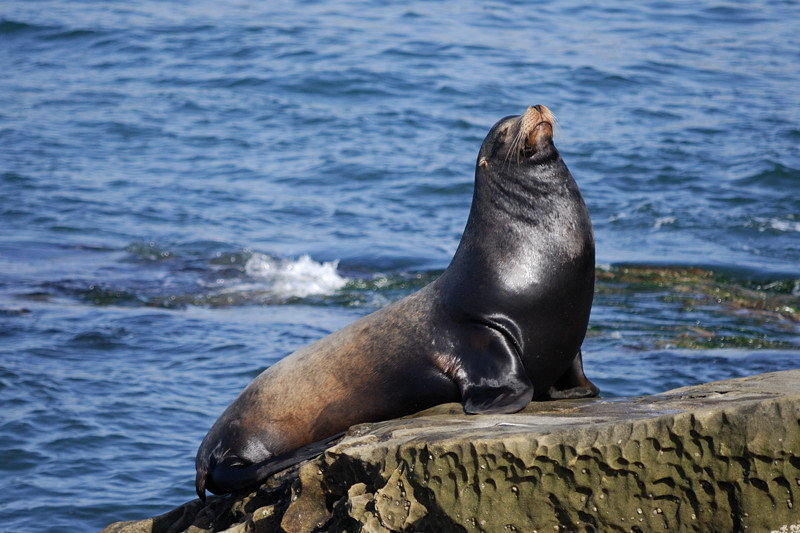
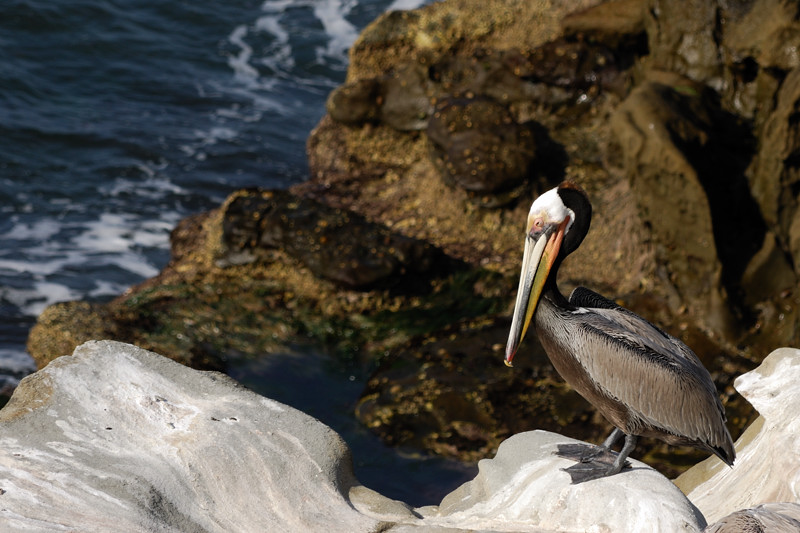
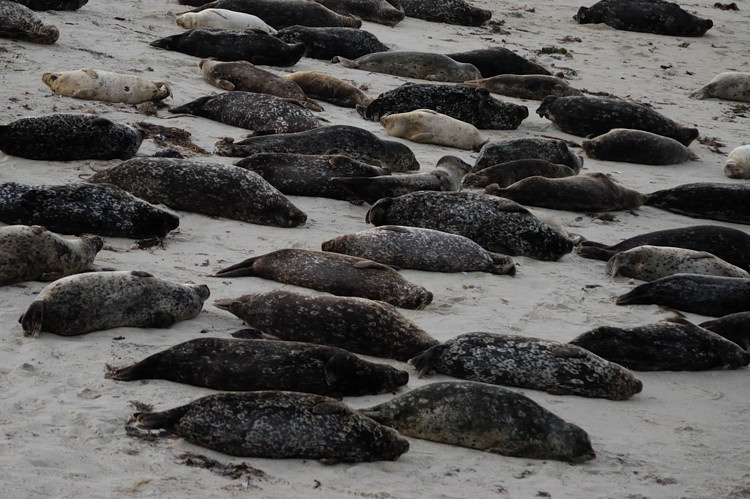
We enjoyed some sight seeing at La Jolla Beach.  Well I enjoyed animal watching.


I managed to sneak away for another couple short herp outings.

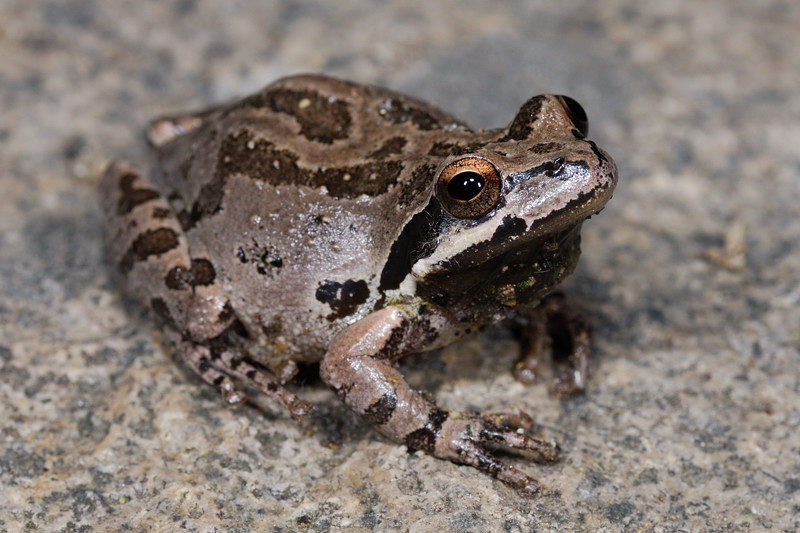
Pseudacris hypochondriaca hypochondriaca - Baja California Treefrog

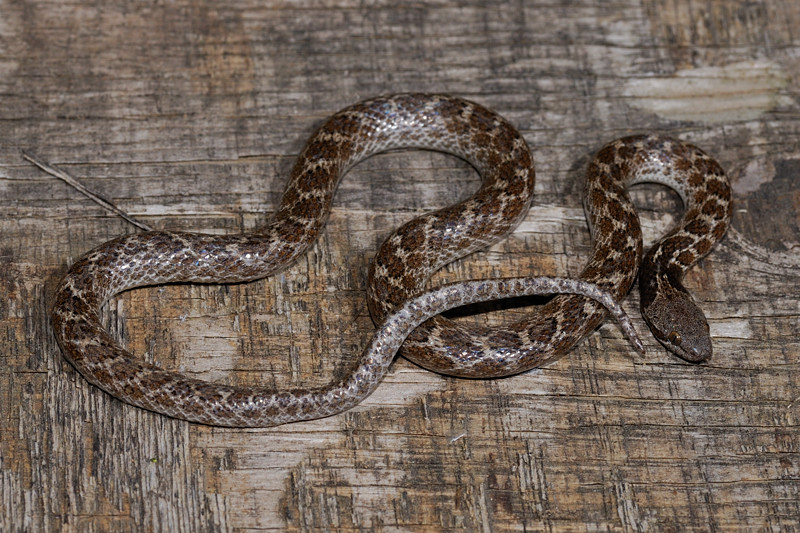
Hypsiglena ochrorhyncha klauberi - San Diego Nightsnake

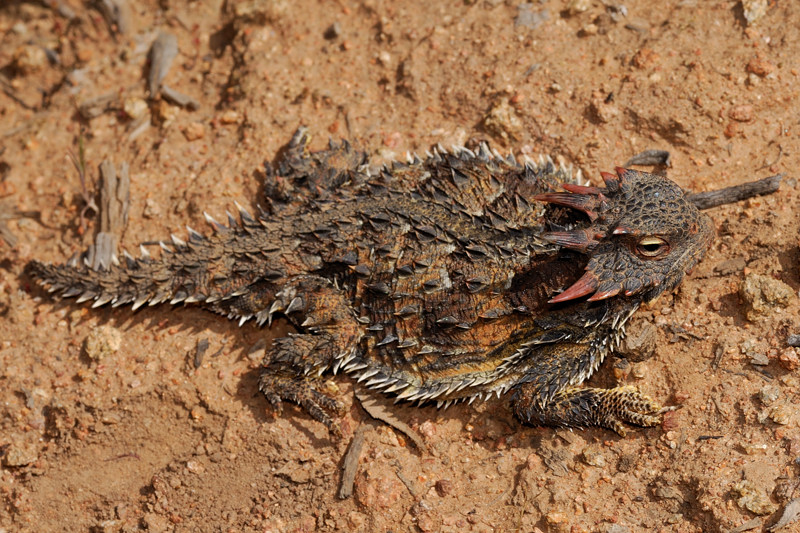
Phrynosoma blainvillii - Blainville's Horned Lizard
(Coast Horned Lizard)

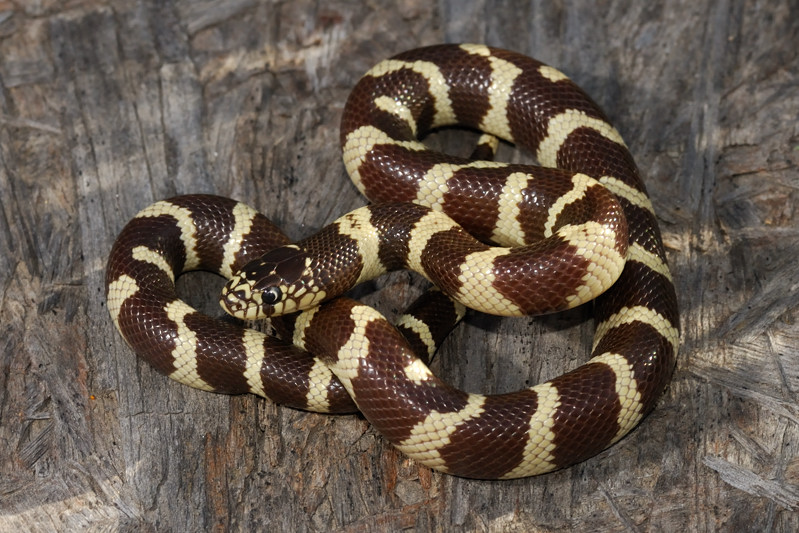
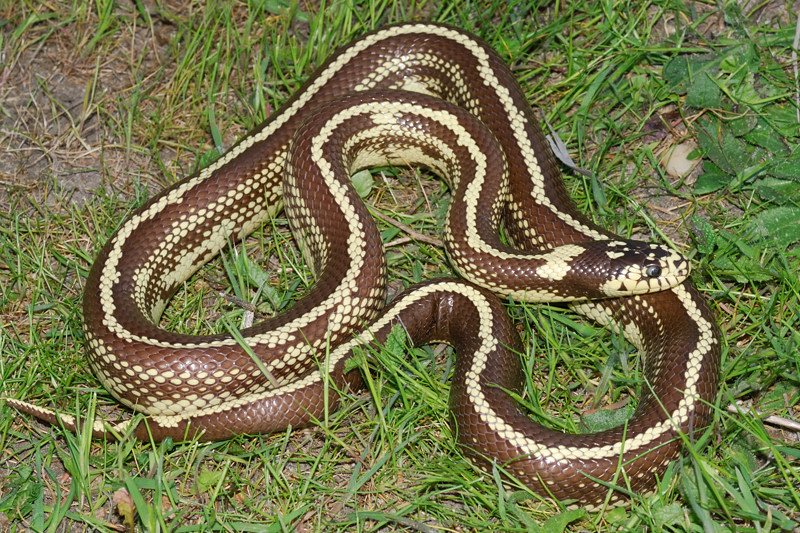
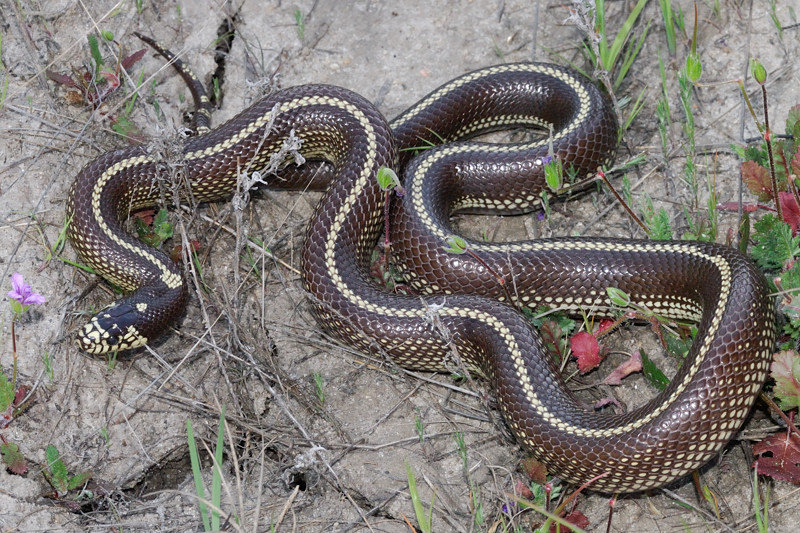
Some excellent California herpers offered to show my some kingsnakes.  We flipped some nice boards and were rewarded well.

California Kingsnakes Lampropeltis getula californiae


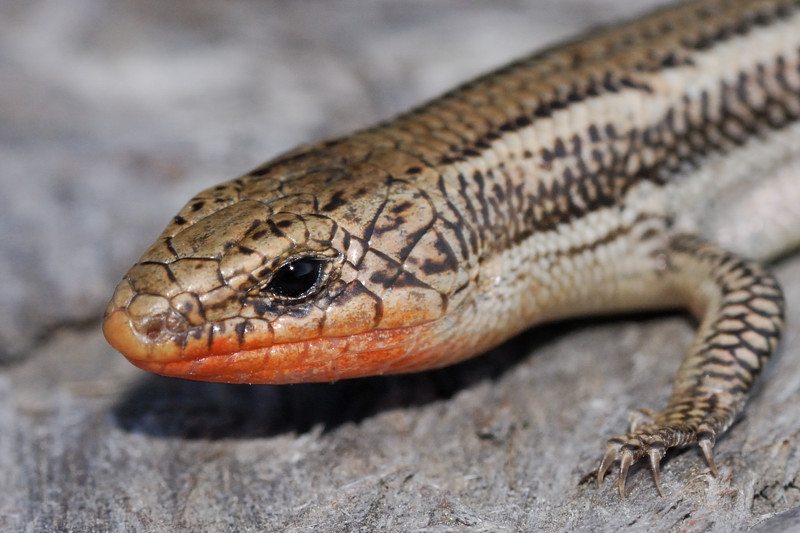
Plestiodon skiltonianus interparietalis? - Coronado Skink

That ended up being much longer than anticipated.  It was a great trip for busting out the camera.

BH