Buckeye Herps Blog

A photographic journal of the reptiles and amphibians of Ohio, Michigan and other places interesting wildlife call home.
Showing posts with label roadcruising. Show all posts

Thursday, April 26, 2012

Spring Cruising

In mid March we had a few large storms blow through with temperatures holding in the 40s and 50s.  I had been watching the approaching storm on the radar all day, and planned my route.  I started driving about 1.5 hours prior to dusk, as it wasn't raining yet and the rains were slowly moving west to east torward me.  I figured I would meet the rains west of here, just as dark was falling.  I knew the salamanders would be out, and I wanted to maximize my time on the road.

I loaded up the car with snacks, camera gear, rain gear and my dogs as company.  It was going to be a long night, so they each had some comfortable beds, water and plenty of toys.  We were off.

I drove about 1.5 hours and just as dusk hit, the rain started to come.  I had planned well.  Immediately frogs were noticed to be moving across the road.  Within about 15 minutes, I had my first salamander of the night, an eastern tiger salamander.  Unfortunately, he wasn't the most cooperative for pictures, but I saw many more.

Wood Frogs Rana sylvatica were abundant.


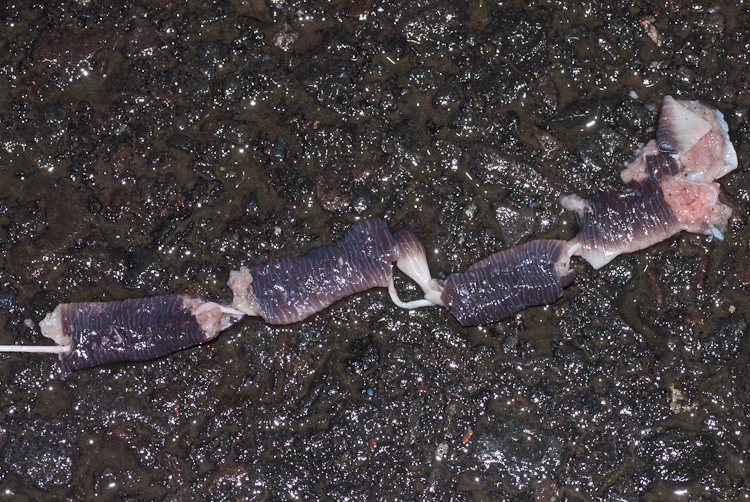
Unfortunately, DORs (dead on road, as opposed to AORs, active on road) were also abundant.  I usually photograph these as well, no matter how gruesome.  They can still serve a purpose and get recorded in online databases.

Tiger DOR


Blue Spotted Salamanders Ambystoma laterale (or their polyploid brethren) were also extremely abundant, and would be the most common salamander observed.  They were mostly found on the forested back roads, or remote paved roads, and usually only during the rain.  I would end up seeing 25+ of these throughout the night.


The tiger salamanders, Ambystoma tigrinum, were typically found crossing the busier paved roads running through farm land and other slightly developed areas.  I found none of these crossing the dirt roads or roads running through the woods.


Oddly enough, the nice vernal pool I checked out with Nick Scobel et al. that was in the forest, was full of tigers.  We saw none of them on the roads leading in or away, despite multiple passes, but the pool had to many to count tiger salamanders swimming around.

Tiger Salamander Ambystoma tigrinum


No blue spots were observed in the pool, but we spotted one lonely individual crossing the road while we were shooting the tiger.


A couple other nice vernal pools were checked without finding any salamanders.  I split away from the others again and hit the roads.  The rain had mostly stopped, as it had passed us by now, but I new the salamanders would still be moving a little.


In the end, I saw 25+ blue spots, and 5 or 6 AOR tigers.  There were countless tigers in the vernal pool.  Many more of each species were observed DOR.  I crossed through 3-4 counties, and was in the car for 11 hours.  I pulled into my driveway at 530 am feeling pleased with my efforts.  One continued frustration was my lack of Spotted Salamanders, Ambystoma maculatum.  I have yet to see one of these common salamanders in Michigan, and despite all the miles covered and all the hours cruising, none were viewed crossing the road.  They were typically the most numerous salamander viewed when I when cruising in Ohio.  Another mystery for another day...

Spring has sprung!

BH

Thursday, October 6, 2011

I Brake For Snakes!

The leaves are changing here in Michigan, but the last few days have been warm and sunny.  I took advantage of a day off to head out and try for the last (maybe?) rattlesnakes of the year.  I spent a couple pleasurable hours hiking around a fen that is usually good for a snake or two, although not this day.  I decided to try my luck elsewhere, but figured it was a decent time to try a pass or two on one of the roads through the area.  It was a good idea, as not 200 yards down the road I swerved to miss a small twig stretched out on the road.

Neonate eastern massasauga rattlesnake

It didn't move for about 10 or 15 minutes of me photographing it and steering cars around.  This was shot with my 10-20mm wide angle.  For the nonphotographers out there, that means I had to scoot up nice and close to get that shot.  He didn't care.


I switched to the 90mm macro for a few shots.

The classic diagnostic shot.   
 Refer to recent posts for discussion of identifying massasaugas, including juveniles and neonates.


I also shooed a neonate water snake and a couple garter snakes off the road this day.  Unfortunately, there were two or three DOR (dead on road) water snakes, a few DOR garters, and DOR ribbon snake and a DOR redbelly snake.  Snakes were definitely moving, although like usual, the dead out numbered the living.  Happily, no DOR saugas were found.  I pride myself in spotting small snakes in the road, and seeing how slow to eventually move off this little guy was, this high traffic area most definitely would have claimed him soon.

So, do you brake for snakes?

BH


Wednesday, September 15, 2010

Back in the States, Back in the Field

I arrived back in the US on August 20 feeling tired but excited to be back in the States. The heatwave from the summer rendered the Midwest bone dry, but with a little work and luck I figured we could turn up a few animals. After being home for only a day or two, my Dad and I made a roadtrip up to Michigan to visit the Buckeyeherper and catch a baseball game. Naturally, we scheduled in some field time. We invited my brother David along, but he declined, saying that "we never find anything" when he comes out into the field with us. His loss, our gain, I suppose....

We checked out a neat fen in southeastern Michigan. The area supports some interesting fauna, including a few species of turtles, snakes, and frogs. Bob particularly enjoyed the pitcher plants and sundews, when he was finally able to spot them. Of course, Cid and Joy tagged along for the trip, who are always eager to get out into the field. After investigating the area for about an hour, Cid, Joy, and I hiked right past this little 1 year old snake. Fortunately, the more experienced Michigan herper made the spot:


Eastern massasauga rattlesnake (Sistrurus catenatus) found on August 22, 2010 at 6:35 PM.
This was Bob's first ever swamp rattler, and only my second, so suffice to say we were quite pleased. Too bad Dave wasn't along for the fun......

About a week later, I found myself back down in Athens, Ohio, gearing up for the start of another school year. On the August 28, the weather was looking prime to see pitvipers, so a buddy and I went down to a familiar hiking and flipping area to see what we could turn up. Unfortunately, the first find of the day was absolutely devastating. I've had zero luck over the years with one of Ohio's more interesting snakes, the Eastern hognose snake (Heterodon platyrhinos), and it was certainly in the back of my mind when we set out that morning. Imagine my dismay when we found one on the road around noon... but dead:


Bummer. We proceeded on to check a few flip spots before embarking on our hike. The first thing flipped is one of the usual suspects for southern Ohio, the Northern ringneck snake (Diadophis punctatus):
On our hike, we saw a few lizard species. Unfortunately, the skinks were too quick for us to bring in hand. However, we did successfully photograph an Eastern fence lizard (Sceloporus undulatus) and an Eastern box turtle (Terrapene carolina):

Our luck was pretty raw on the hike. We didn't see any vipers and both of us found our pants covered in hundreds of "micro" ticks: minuscule ticks less than 1 mm in diameter (I literally scraped hundreds off my ankles that night. Disgusting.).

We checked a few other spots. A Northern black racer (Coluber constrictor) was too quick for us and bolted away. However, we flipped a nice Black rat snake (Scotophis spiloides), which promptly tagged Carl on the cheek:


Ouch. I also photographed this pretty snake:


Eastern milk snake (Lampropeltis triangulum).

After grabbing a bite to eat and hitting a few more spots as it got dark, we decided to roadcruise a few "new" roads that haven't been too successful in the past. It was a cooler night, with temperatures down into the 70s. At 8:30, right as it was getting dark, we were pleased to find this:

A Northern copperhead (Agkistrodon contortrix), in situ. The rest of the night was fairly eventful, as we stopped for two more copperheads at 9:03 and 9:45. At around 10:30, we headed home, decently pleased with the day's activities.

Three snake night... not bad!

Unfortunately, I'm currently super busy with club soccer to spend much time in the field in search of herps. However, I did participate in a field trip for my Ornithology class on Saturday September 11. At three different localities, we saw over twenty species of birds, including a few lifers. First, at 7:15 AM, we saw a few local vultures hanging out on tops of houses along Grosvenor Road in Athens, OH:
-10+ Black vultures (Coragyps atratus) (lifer)
-2 Turkey vultures (Carthartes aura)

Next, we stopped off highway 686 along the Hocking River, down beneath the ridges. There we observed:
-2 Osprey (Pandion haliaetus) (lifer)
-American crows (Corvus brachyrhynchos)
-1 Belted kingfisher (Megaceryle alcyon)
-Mourning doves (Zenaida macroura)
-
Killdeer (Charadrius vociferus)
-
1 Pileated woodpecker (Dryocopus pileatus)
-1 Canada goose (Branta canadensis)

From around 8:00 AM to 10:00 AM, we hiked around the Ridges, an elevated ridgetop area that is a part of Ohio University's campus. There we observed:
-American robins (Turdus migratorius)
-
1 Cedar waxwing (Bombycilla cedrorum) (lifer) "the bird that rocks," according to our prof
-1 Yellow-throated vireo (Vireo flavifrons) (lifer)
-1 Red-bellied woodpecker (Melanerpes carolinus)
-1 Downey woodpecker (Picoides pubescens)
-
1 Carolina wren (Thryothorus ludovicianus)
-
1 Caroline chickadee (Poecile carolinensis) (lifer)
-Blue jays (Cyanocitta cristata)
-Northern cardinals (Cardinalis cardinalis)

A few other species were seen by people in the group. However, I only listed the birds above that I was able to visually ID.

Hoping to get back out into the field soon....

Brian


Saturday, August 28, 2010

Costa Rica part II

Check out Costa Rica Part IPart IIPart IIIPart IV and Part V.

Dead set on getting started on the right foot and getting this trip turned around, Brian and I awoke at our impromptu hotel early and hit the road.  We would not waste another day.  We spotted a DOR boa on the side of  the road, grabbed some quick voucher pics and moved on.  We arrived at one of our destinations an hour or so later, and we set out to hike with the day in front of us. 

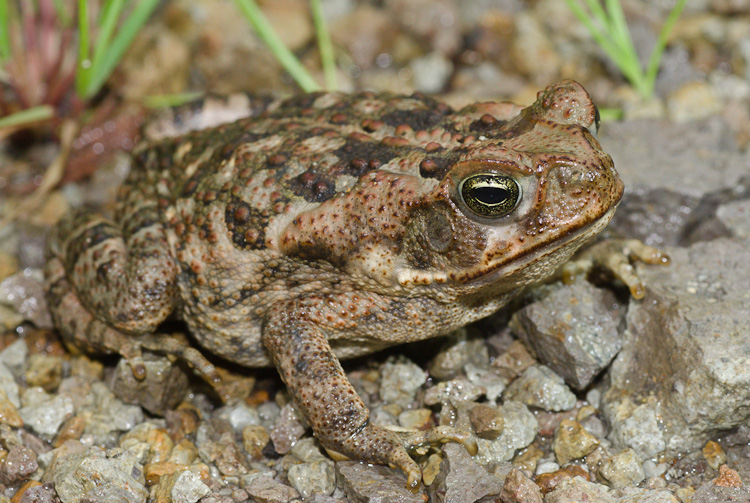
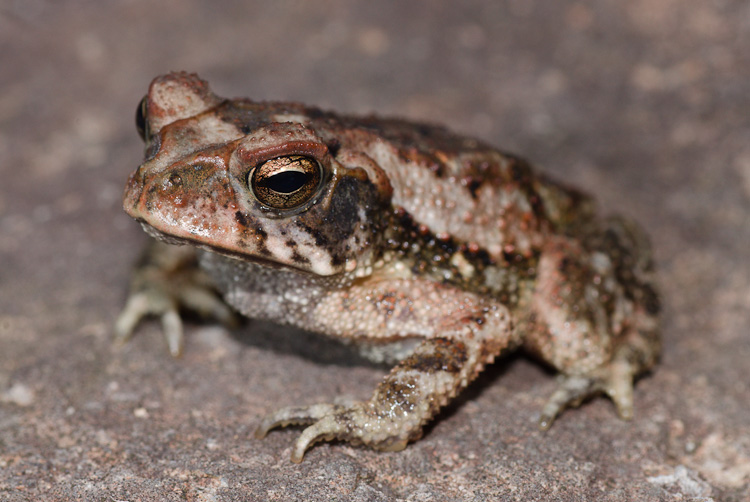
Right off the bat, I turned up the ubiquitous cane toad, Chaunas marinus.


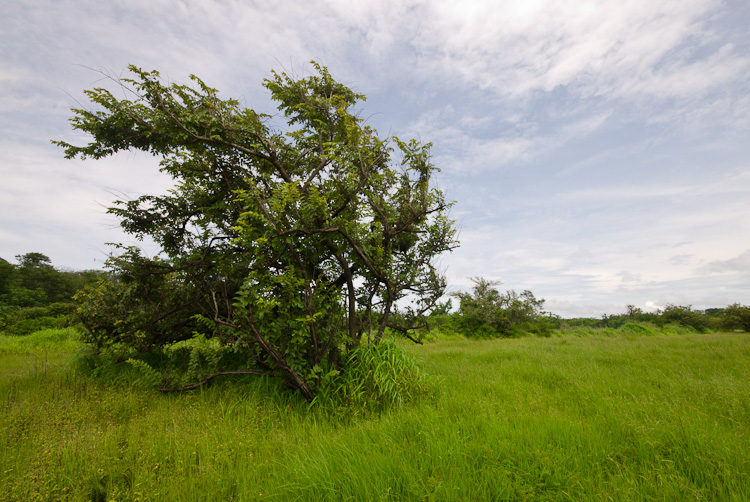
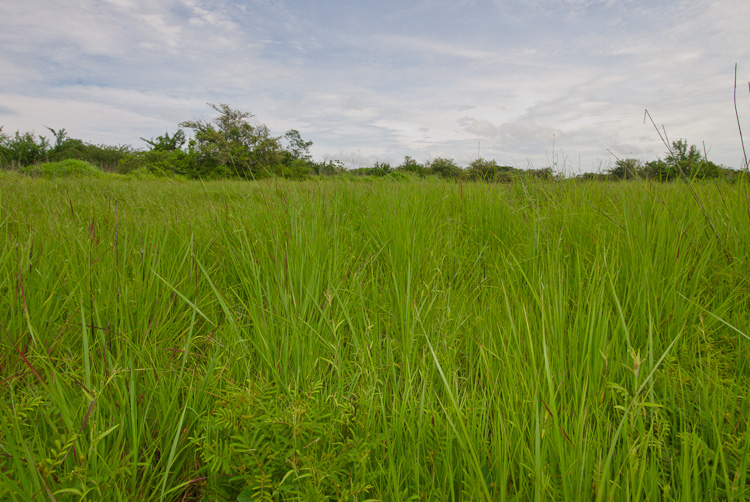
We would be exploring a drier part of the country for the next couple of days.  The habitat looked very different from the rest of the trip.


We explored for a few hours but weren't about to turn up too much.

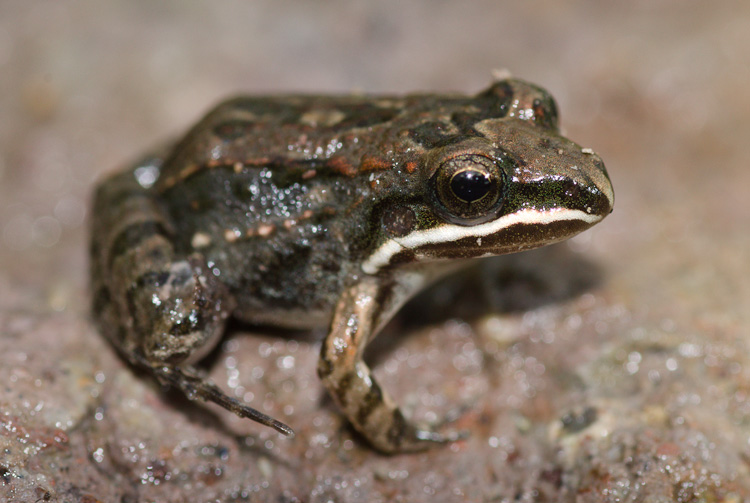
We found a number of Leptodactylus poecilichilus clustered around areas with water.


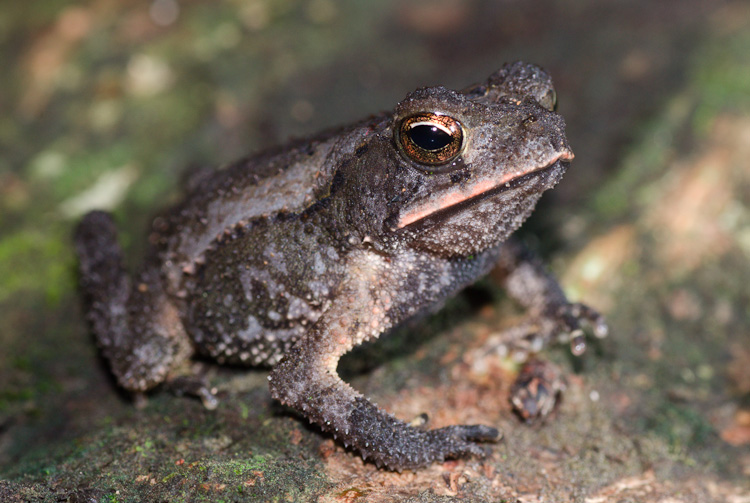
As well as Incilius valliceps.


Unfortunately, about this time, early afternoon, clouds rolled in the heavens opened over us.  We made the few km hike back to the car in the rain without turning up anything else.  We decided to take advantage of the rain to get situated with our lodging for the night.  We were going to stay at the Palo Verde research station, but the nice hosts at the first bed and breakfast recommended a couple that owned a farm, had some cottages and reported they had rattlesnakes on the farm!  Being one of our primary targets, we decided to check it out.  We pulled into the farm mid afternoon, and it was nice and sunny here.  We were able to get a nice clean room for $45 a night, extra for meals.  The meals were home cooked, and were by far the best food we had all trip.  The farm was situated on a river, with its own native crocodiles, and the owner even had  a couple of the rattlesnakes he had caught on his property the last few years.  Herper heaven...

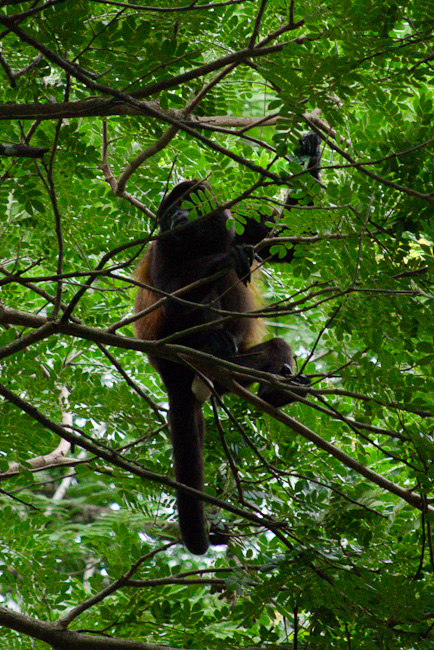
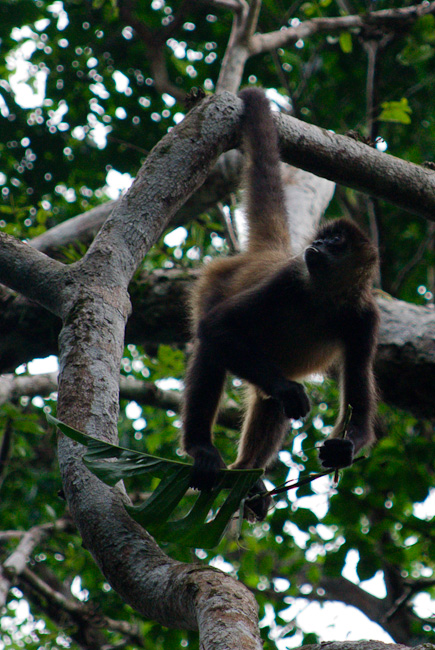
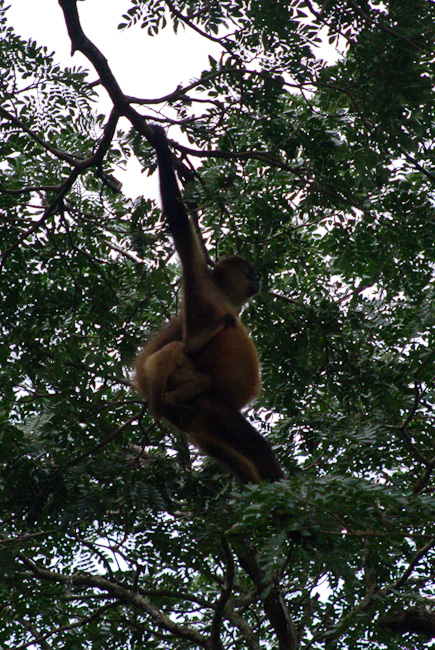
We checked in and quickly hit the trails.  Within a few minutes, we noticed projectiles being thrown our way.  Looking up in the large trees over the property, we spotted large numbers of howler monkeys and spider monkeys.

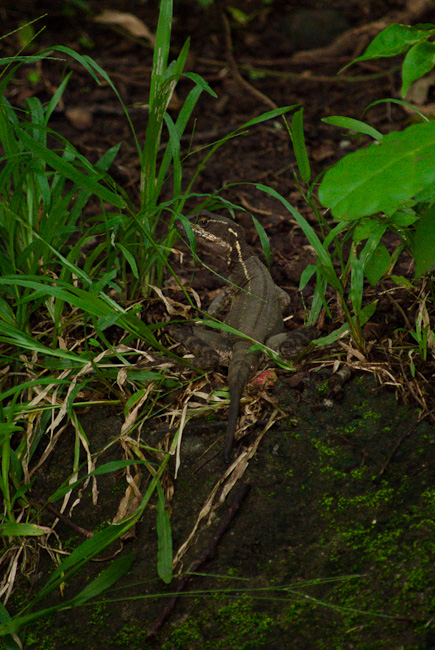
Basilicus vittatus from the farm.


Howlers.


A much darker Incilius valliceps


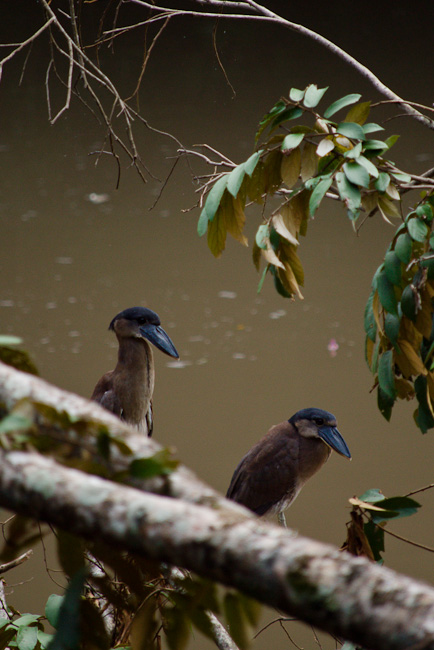
Boatbilled Herons along the river.


Unfortunately, the river water was high and we never did lay eyes on one of the resident crocs.

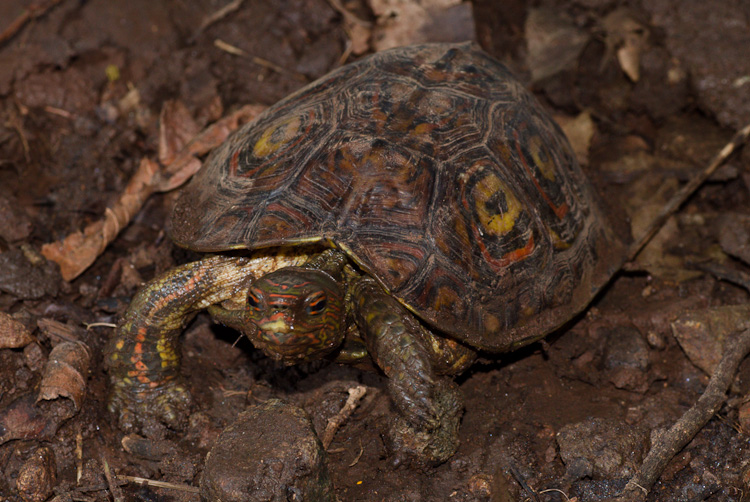
We were enjoying one of the trails over the farm, basically through floodplain, then farm pasture and secondary growth forest when the trail ran into a barbed wire fence.  We could see the sign posts on the other side of the fence, but all the fences so far had a form of gate.  Not this one.  We were complaining about having to go under through the mud, or try to climb over, when Brian spotted a turtle right at our feet.  I am sure we would have missed it had there been a gate...

Rhinoclemmys pulcherrima


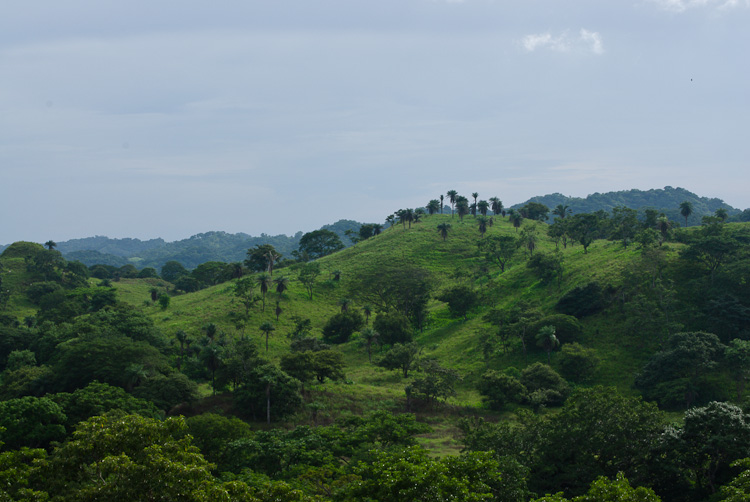
Otherwise, we enjoyed nice vistas and the local troupe of spider monkeys prior to a delicious dinner.


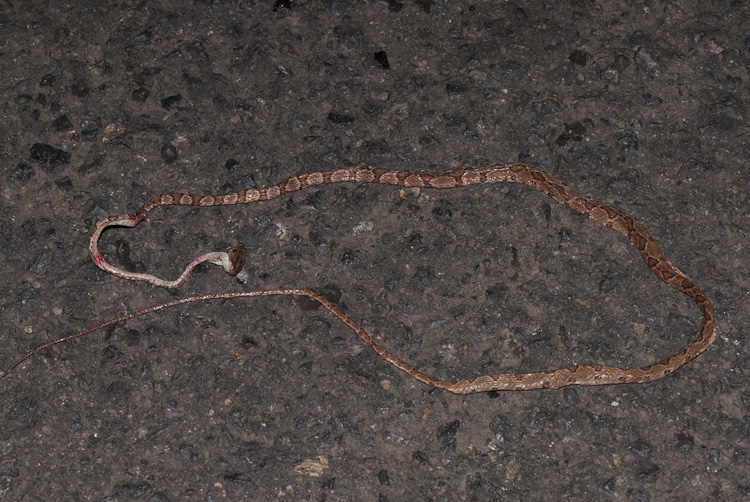
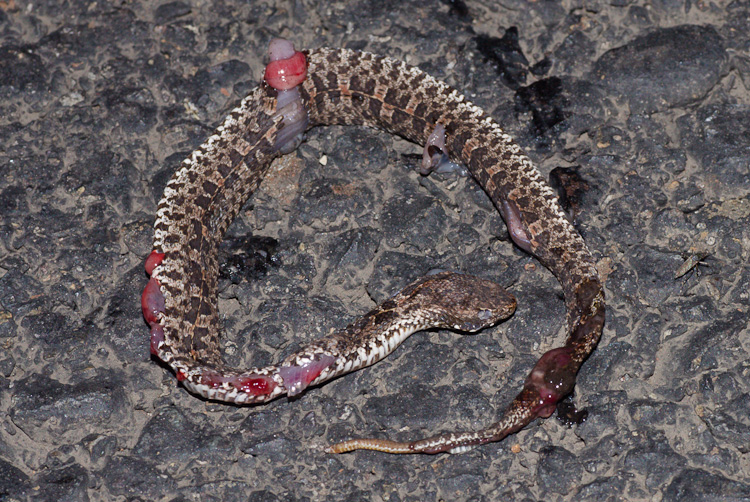
We enjoyed our meal greatly and quickly headed out for some road cruising.  This was a tough night.  Snakes were moving, but we were destined to only find them flattened.

Imantodes cenchoa

Porthidium ophryomegas

Ninea sebae

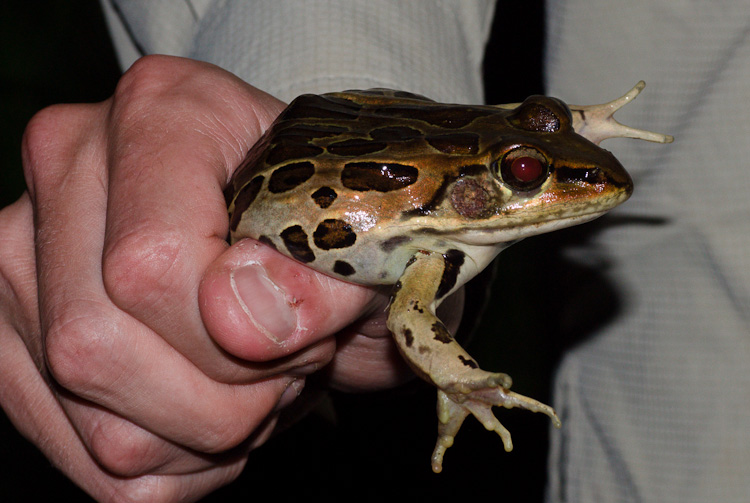
Leptodactylus labialis that I stupidly opted not to photograph better...?

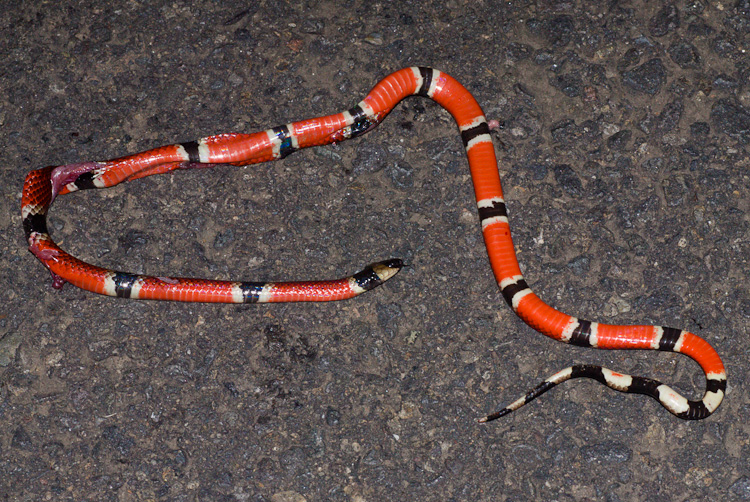
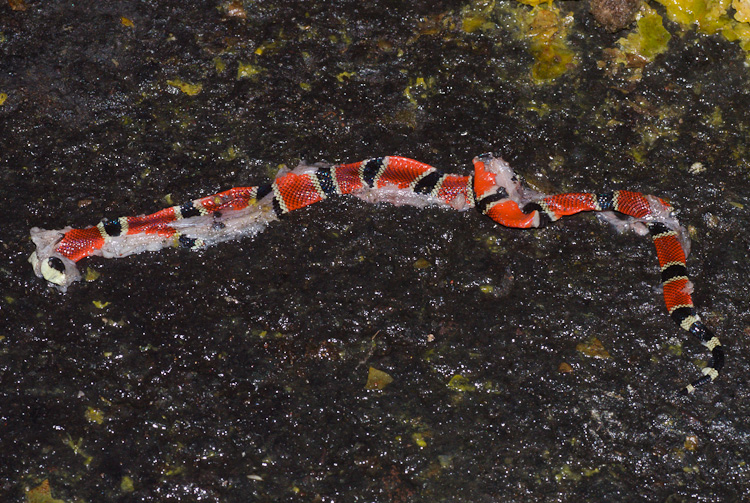
And the heartbreaker, still squirming Micrurus nigrocinctus

Things slowed down, and we continued to cruise for a few more hours.  Another DOR porthidium, and a DOR boa and I started to work my way home.  Brian was dead asleep in the passenger seat when right by the turn off to the motel, I noticed a very alive coral booking it across the road.  I straddled the snake, yelled coral, and Brian was surprisingly out the door with tongs lickity split.  It was a large one, and refused to be corralled on the road.  We tried the tongs as a last resort, as well as forceps.  It was almost too big for forceps and too small for tongs.  You can see where this is going...  As Brian was booking it to the car, he made the mistake of taking the route near the edge of the road.  The snake squirmed loose and vanished in seconds off the road.  There was a very heated and furious exchange of words as our first live snake in 3 days, and one of our main targets was lost quickly, and all the pent up emotion and frustration of the past few days quickly boiled over.  To make matters worse, I noticed this pancake on the walk back to the car...


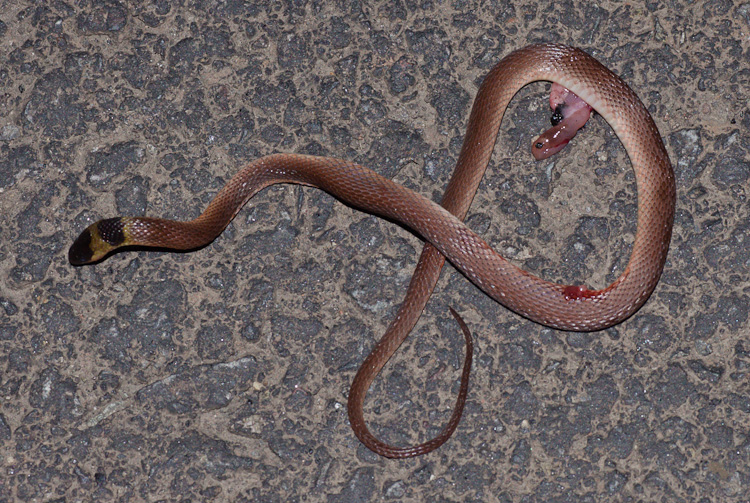
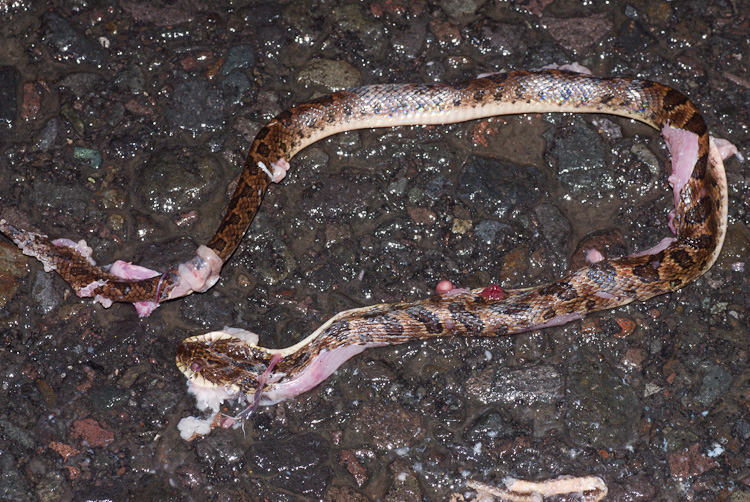
With a third or fourth wind now caught, we cruised a few more hours near the hotel, where a recent drizzle had wet the road.  While not super productive, we were bummed to find DOR Leptodeira annulata and Gymnopus multiplicata


We finally turned in, feeling good about evidence of animals moving, but still bummed about the lack of live specimens to show for it.  Luckily, tomorrow is always another day...


Check out Costa Rica Part IPart IIPart IIIPart IV and Part V.

Saturday, May 15, 2010

The Dark Side of Herping

Most don't find herping to be a glamorous pursuit. The briar, ticks, projectile feces, summer mosquitoes, and reptiles and amphibians themselves are often major deterrents for most. Yet, I find they help to sweeten the taste of success when it comes (and an icy beverage for that matter). But most of these features are not unique to herping. No, the dark side is something altogether different...

I was drawn to the hobby for many reasons, some of which are the picturesque locations, ample time spent in fresh air, and the chance to really get out and stretch your legs. As you really fall prey to the allure animals though, you start realize sometimes you have to sacrifice a small part of the ideals that drew you to the field.


So what am I so cryptically speaking of?

Trash, litter, gas consumption.

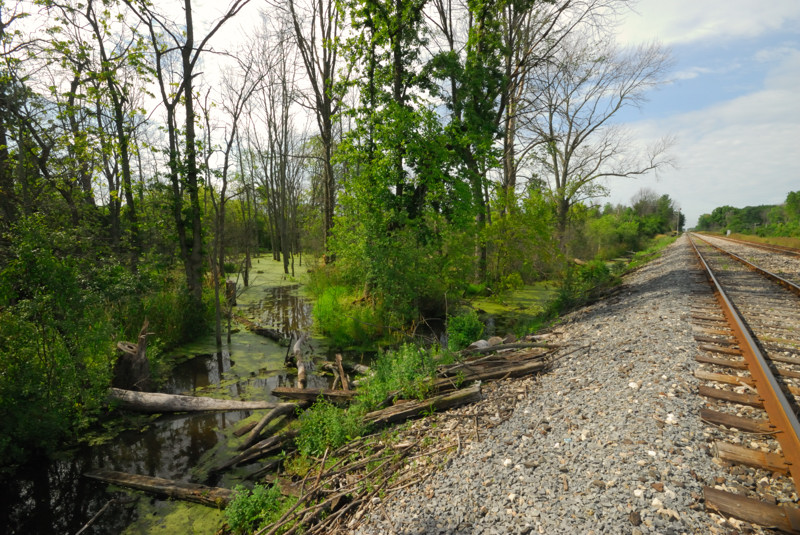
My travels have taken me to some amazing places...


But I would have never found these animals without roads and countless hours spent driving them.


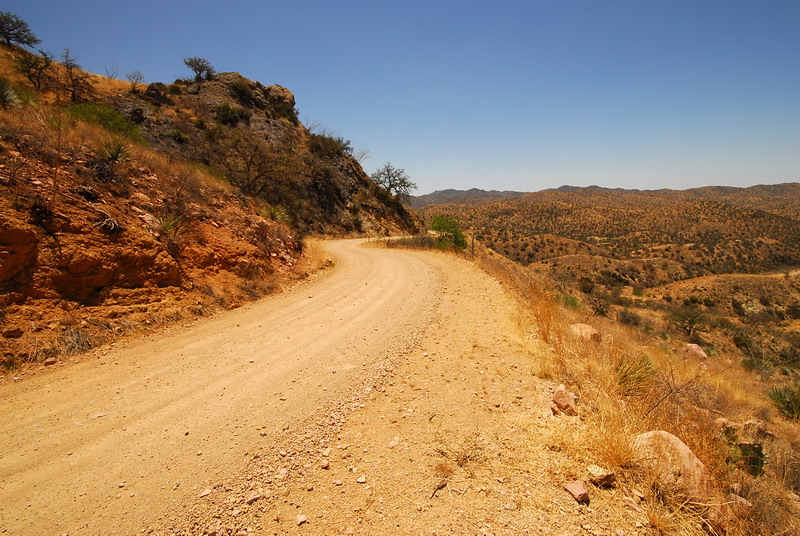
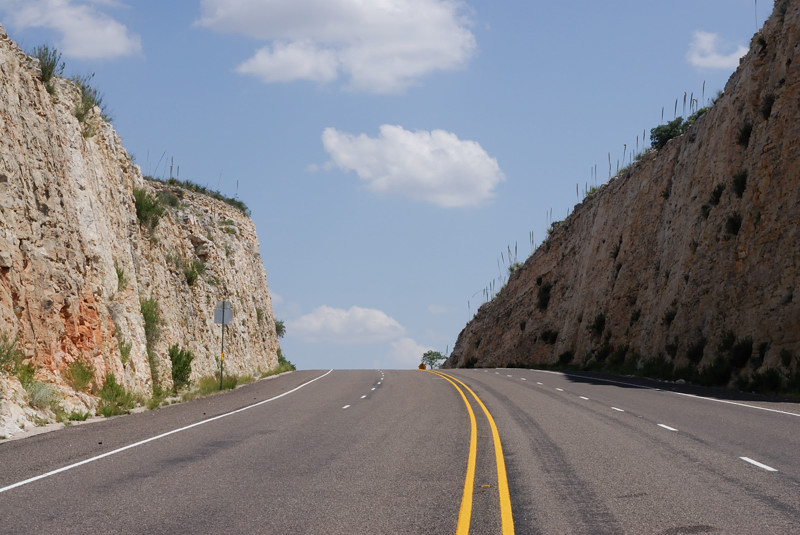
And often the roads themselves take us through some great places.


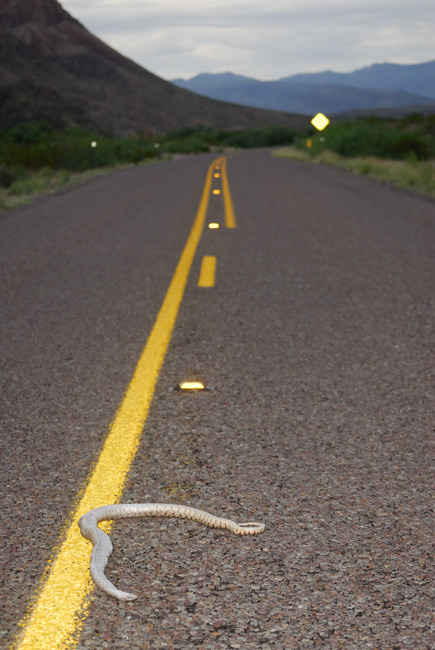
Unfortunately, we see plenty of dead animals.


But I can learn a lot about the animal. I know they occur there, I can get an idea of habitat they utilize, and when fresh, can have an idea of movement patterns.

But most herpers drive these...


So they can do this. (only with permission of course...)


But we spent a lot of time looking for this...


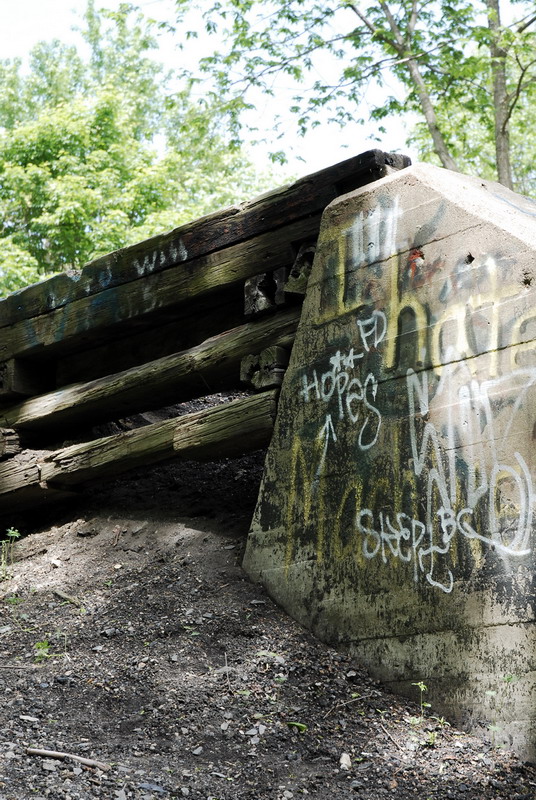
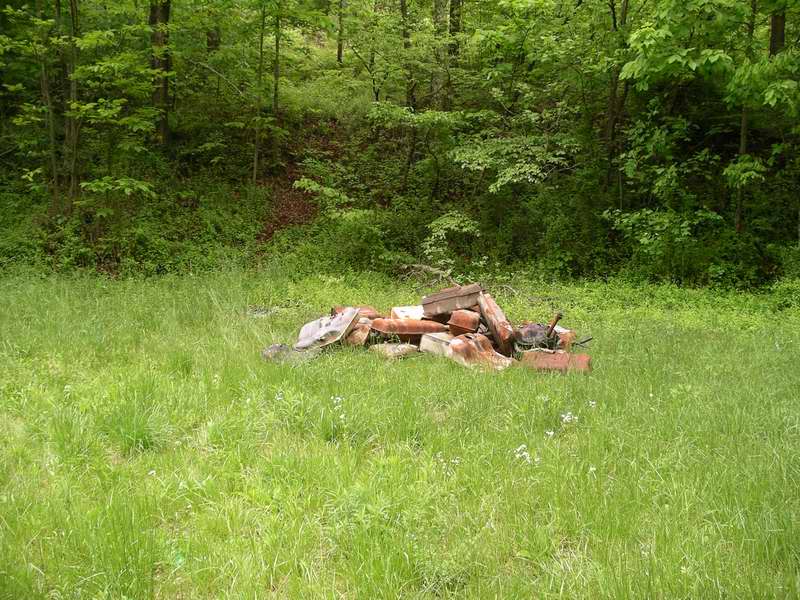
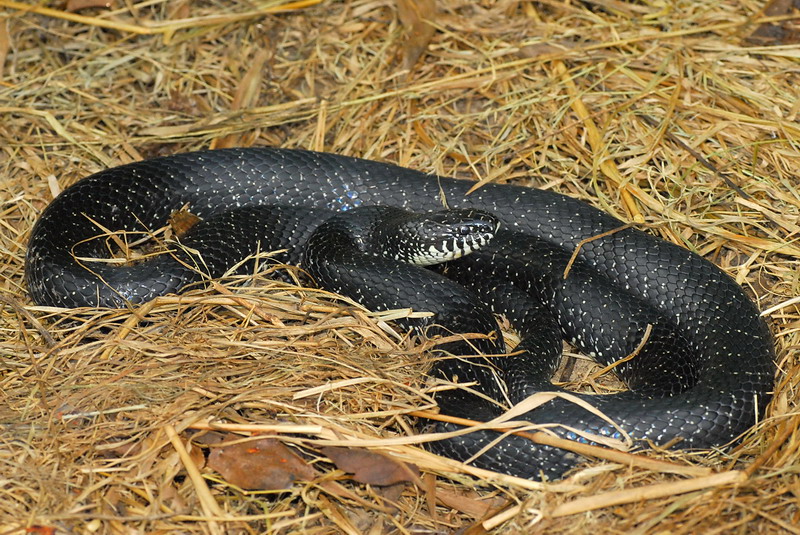
And the trash helps us find these.


So while it isn't always glamorous, sometimes when the fever seeps deep into your bones, you will do what it takes to see animals. Roadcruising and flipping tin aren't my favorite aspect of herping, but they produce results and allow you to see animals during times of the day and year when the hunting is otherwise tough.

So next time you go to clean up your back yard, leave a sheet of tin for the neighborhood ratsnake and always watch the shoulders of the road for any wayward travelers.

BH