Buckeye Herps Blog

A photographic journal of the reptiles and amphibians of Ohio, Michigan and other places interesting wildlife call home.

Saturday, May 15, 2010

The Dark Side of Herping

Most don't find herping to be a glamorous pursuit. The briar, ticks, projectile feces, summer mosquitoes, and reptiles and amphibians themselves are often major deterrents for most. Yet, I find they help to sweeten the taste of success when it comes (and an icy beverage for that matter). But most of these features are not unique to herping. No, the dark side is something altogether different...

I was drawn to the hobby for many reasons, some of which are the picturesque locations, ample time spent in fresh air, and the chance to really get out and stretch your legs. As you really fall prey to the allure animals though, you start realize sometimes you have to sacrifice a small part of the ideals that drew you to the field.


So what am I so cryptically speaking of?

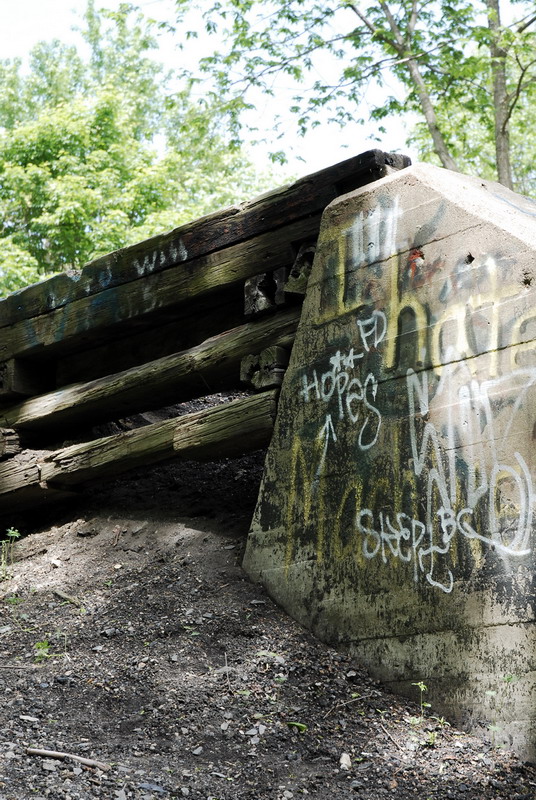
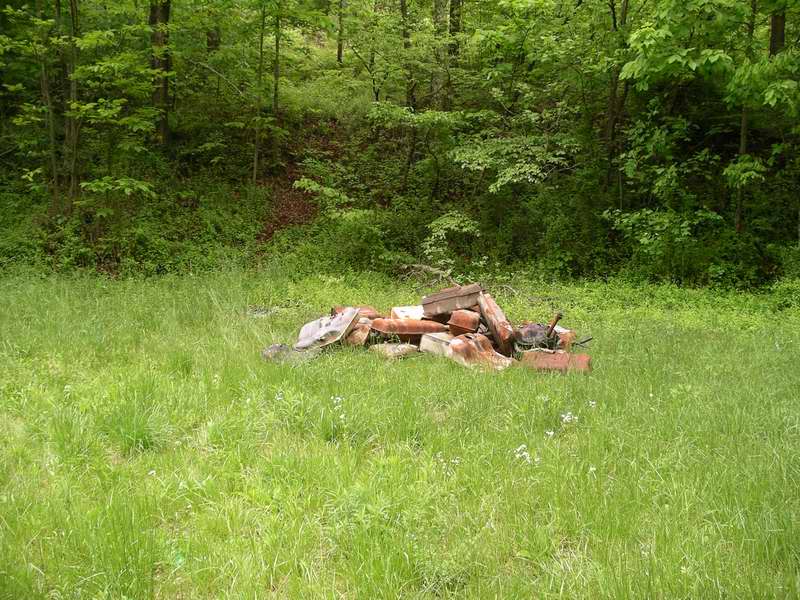
Trash, litter, gas consumption.

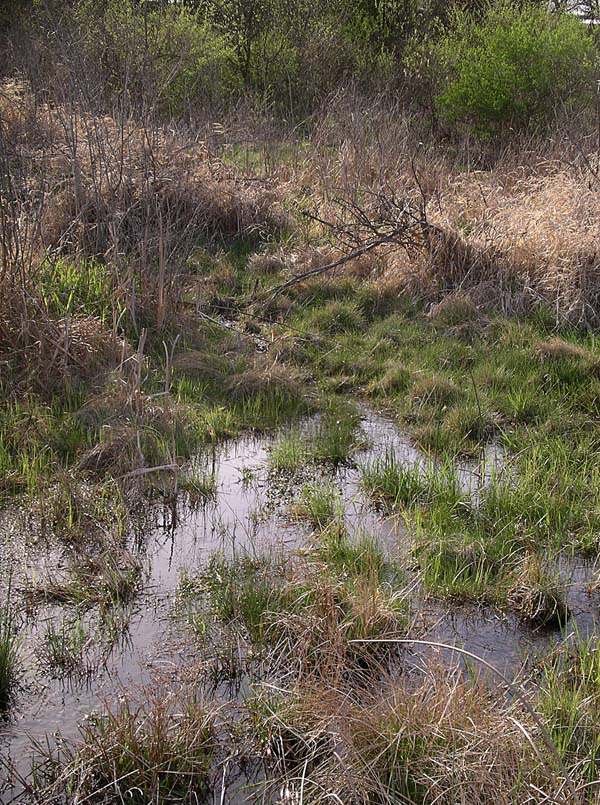
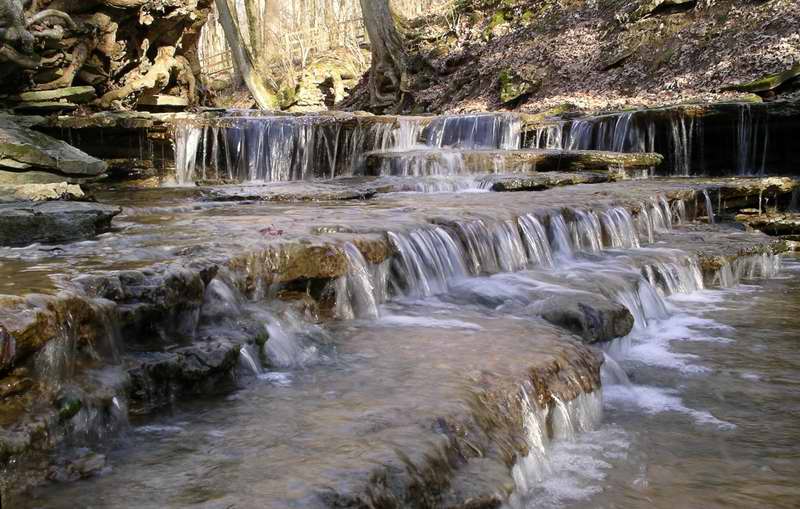
My travels have taken me to some amazing places...


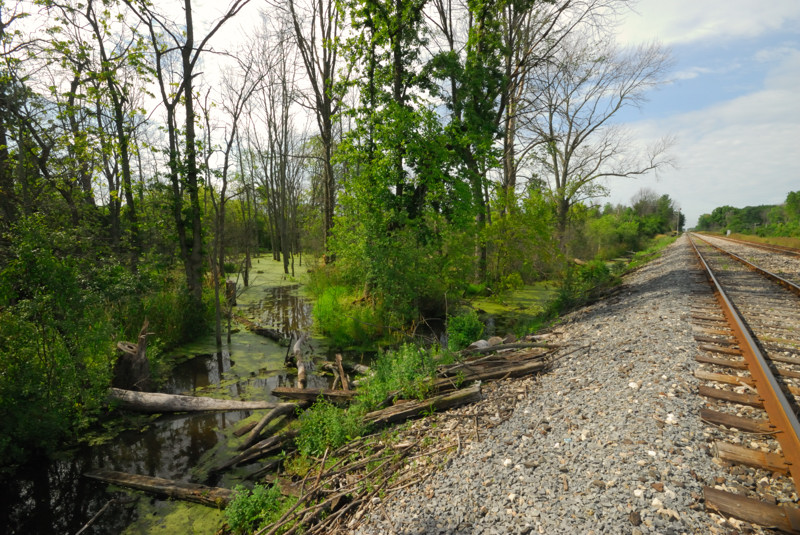
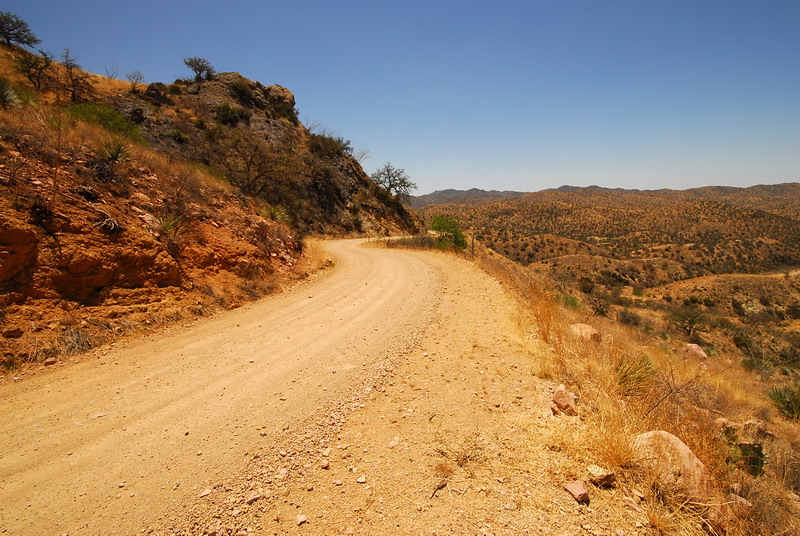
But I would have never found these animals without roads and countless hours spent driving them.


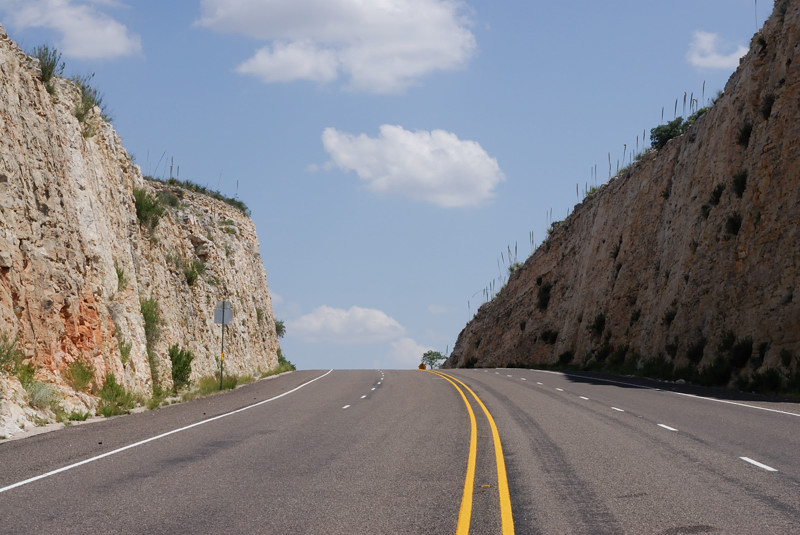
And often the roads themselves take us through some great places.


Unfortunately, we see plenty of dead animals.
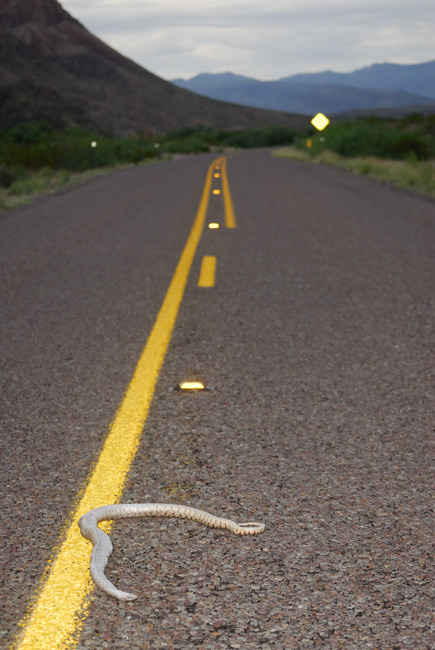

But I can learn a lot about the animal. I know they occur there, I can get an idea of habitat they utilize, and when fresh, can have an idea of movement patterns.

But most herpers drive these...


So they can do this. (only with permission of course...)


But we spent a lot of time looking for this...


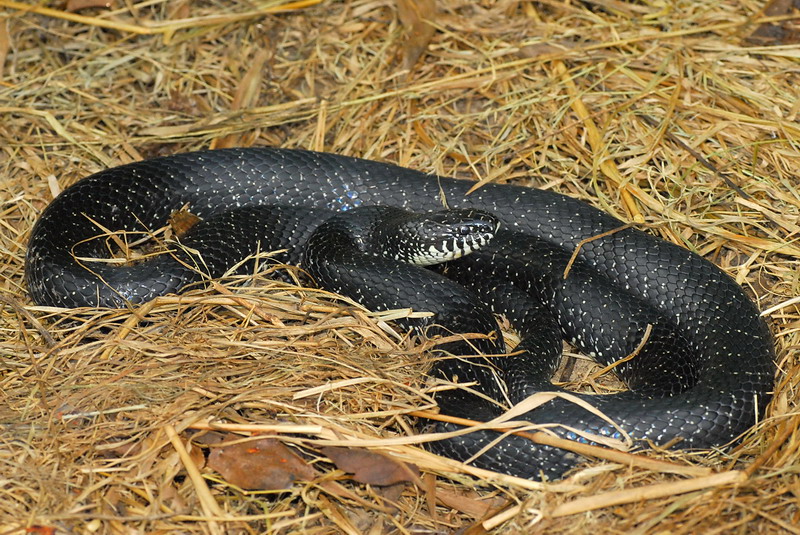
And the trash helps us find these.


So while it isn't always glamorous, sometimes when the fever seeps deep into your bones, you will do what it takes to see animals. Roadcruising and flipping tin aren't my favorite aspect of herping, but they produce results and allow you to see animals during times of the day and year when the hunting is otherwise tough.

So next time you go to clean up your back yard, leave a sheet of tin for the neighborhood ratsnake and always watch the shoulders of the road for any wayward travelers.

BH

Monday, April 26, 2010

Basking Blandings

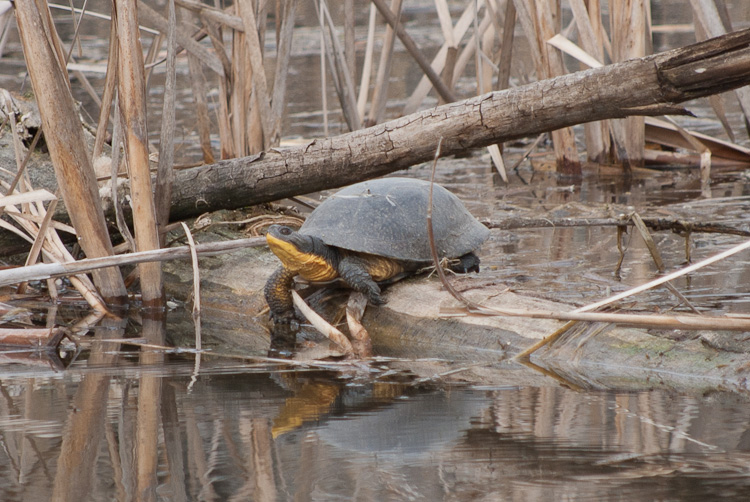
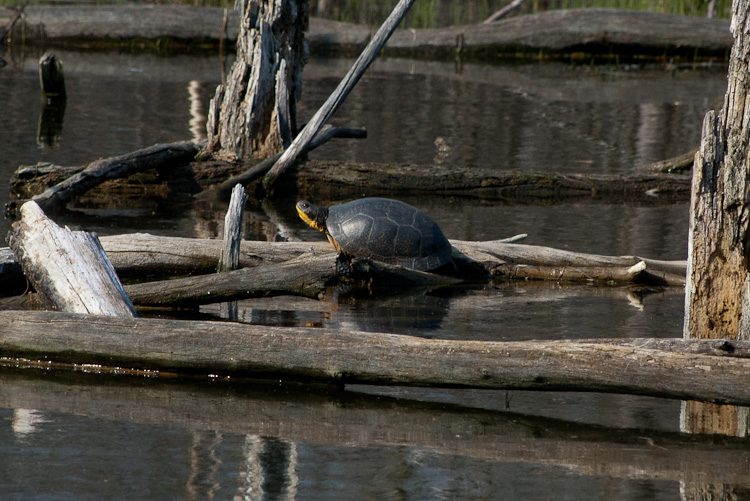
I am always excited to see Blandings turtles. The have been one of the most commonly seen animals this spring, and it seems like every day I am out I see 10+ in the various wetlands I visit. They seem to be holding on in Michigan despite the relentless onslaught of habitat destruction and raccoon predation that await them everyday. Usually I have to drive 30+ minutes to get out of the urban jungle, but I was fortunate enough to find a little park about 15 minutes from our home that seems to have a small population of blandings. Honestly, it looks like there should tons, but I have been happy to see a single blandings on each visit to the area.


See the turtle? The binocs my father got me have greatly improved my turtle spotting ability.


BH

Saturday, April 17, 2010

Wolverine Waterdogs!

Necturus are a fascinating genus, and finding one is enough to make any herpers day.

Shortly after moving to SW Michigan, my buddy Carl had emailed me a newspaper story that was very tantalizing... The Detroit Police dive team had been removing old cars from the Detroit River downtown.

"a moped and -- eventually -- the Buick and a 10-inch mud puppy that crawled from it on shore."

Full story if interested

I had heard reports of Necturus being found along the shore of the Great Lakes, ice fisherman pulling them up in the winter, LE water snakes regurgitating them when caught, etc. But how do you go about actually searching for one in such large bodies of water?

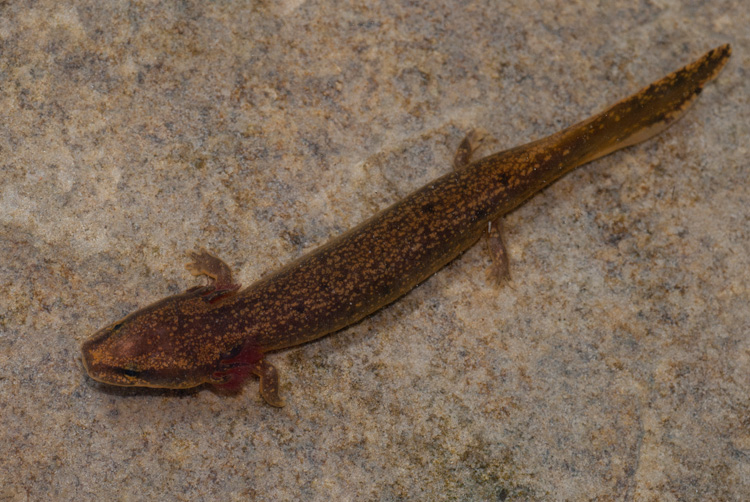
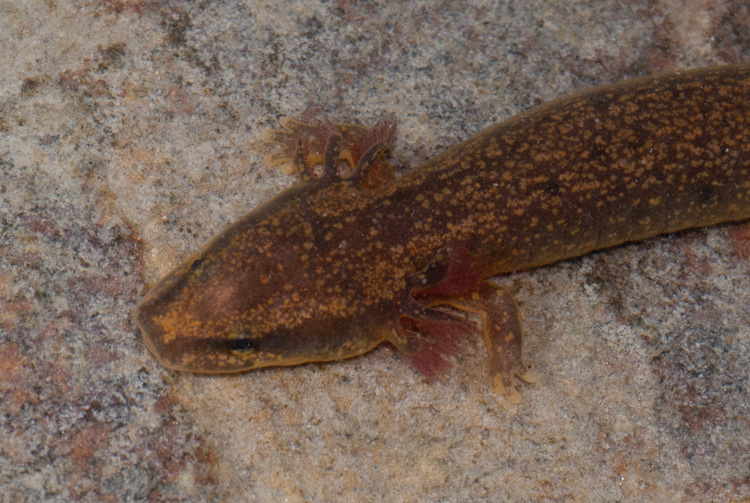
Well, I was lucky enough to find out. We found 6 mudpups in a few hours of searching the 42F water.

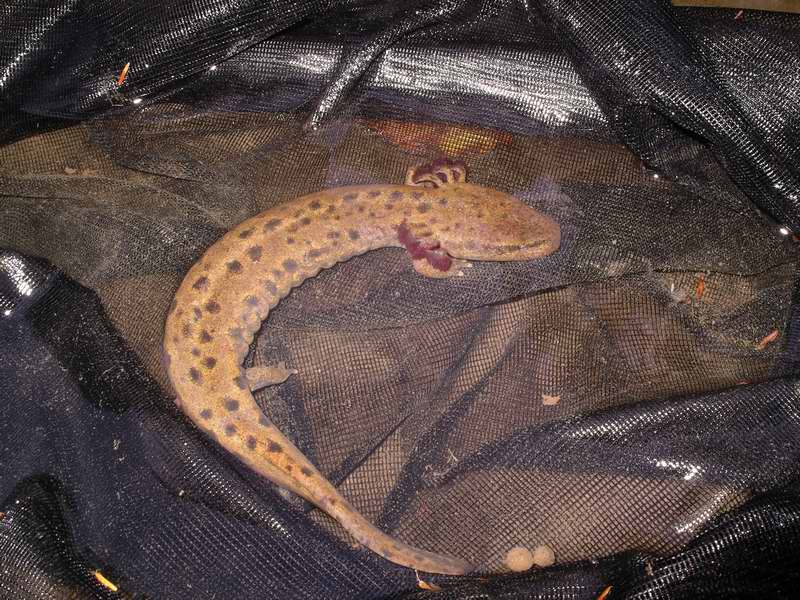
Necturus maculosus


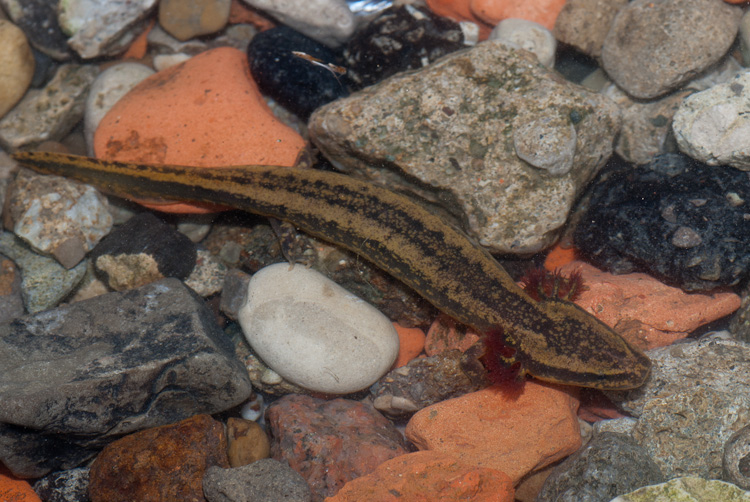
Mudpuppies are large salamanders, that remain permanently acquatic throughout their lives. They retain their gills, similar to larval form of other salamanders. They can grow quite large, although all the ones we found were small individuals, 1-2 years old. In Ohio I typically caught them in shallow streams with large flat rocks. Here in Michigan they are found in inland lakes, the great lakes, and other rivers/streams. They are completely harmless to human, despite that many fisherman still persecute them when caught or seen.


Here is an older picture of an adult from Ohio.


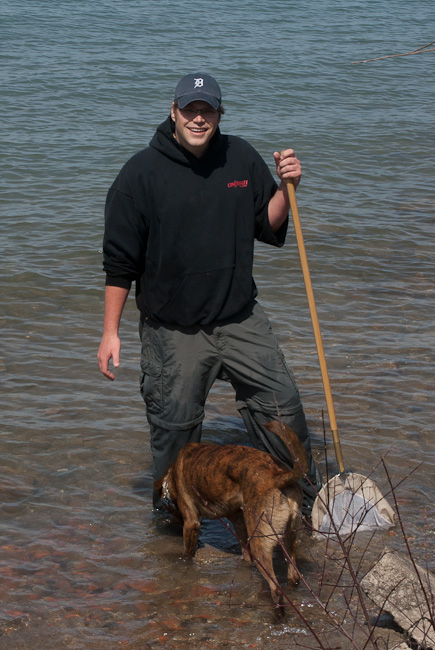
Even Cid got in on the fun.


BH

Friday, April 9, 2010

Spring Travels II

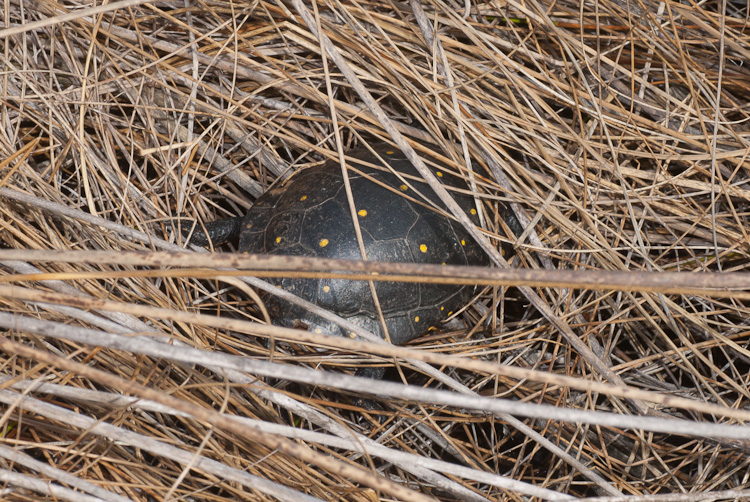
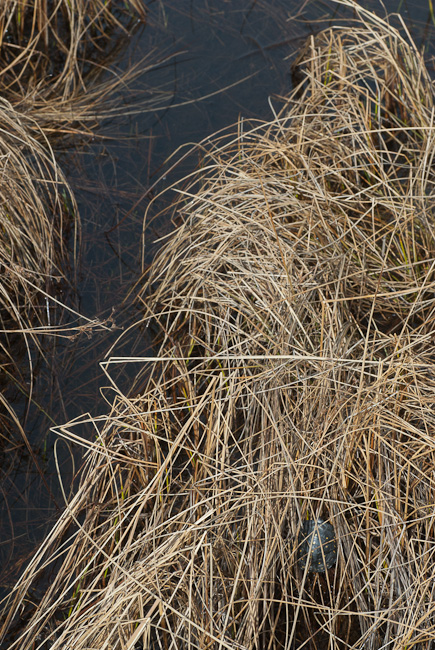
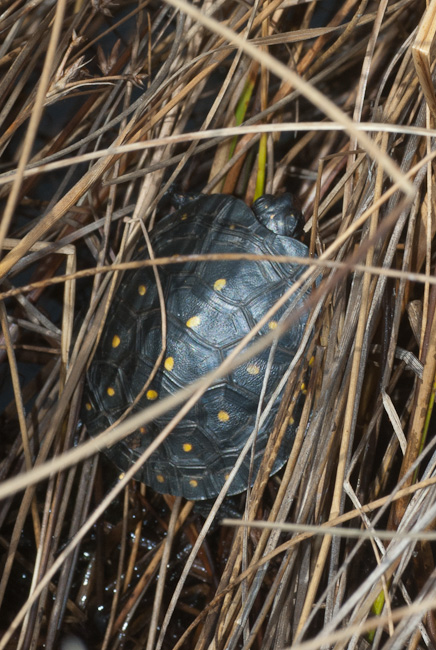
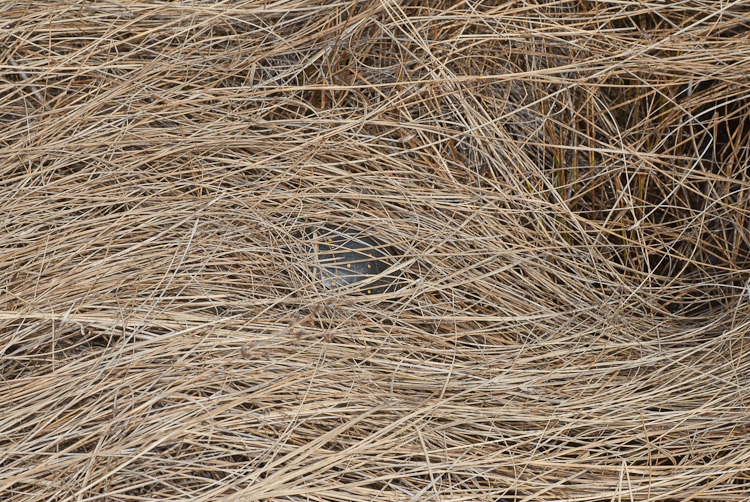
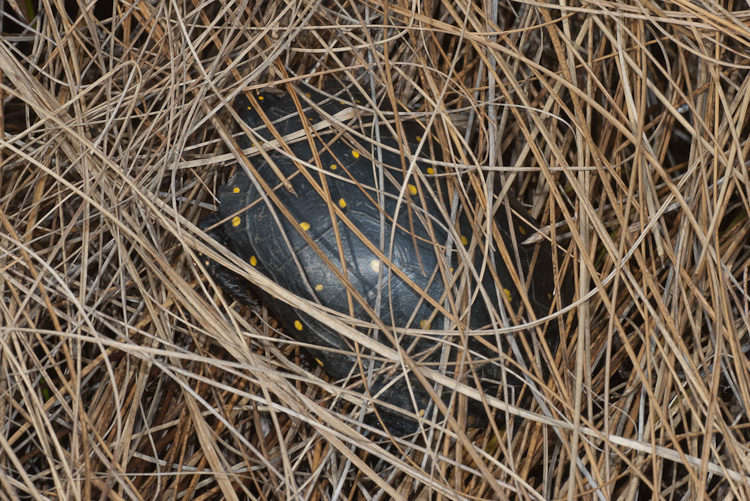
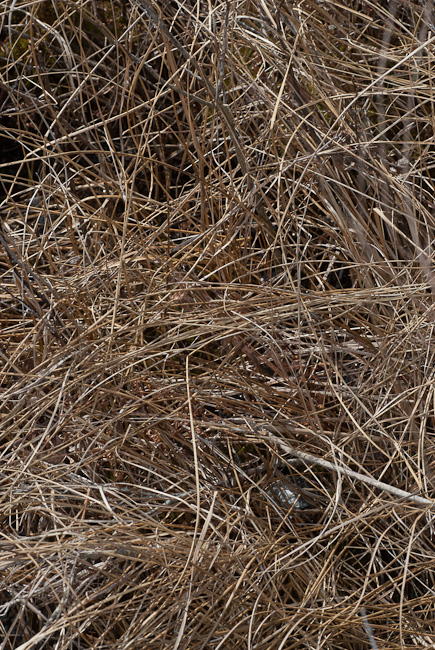
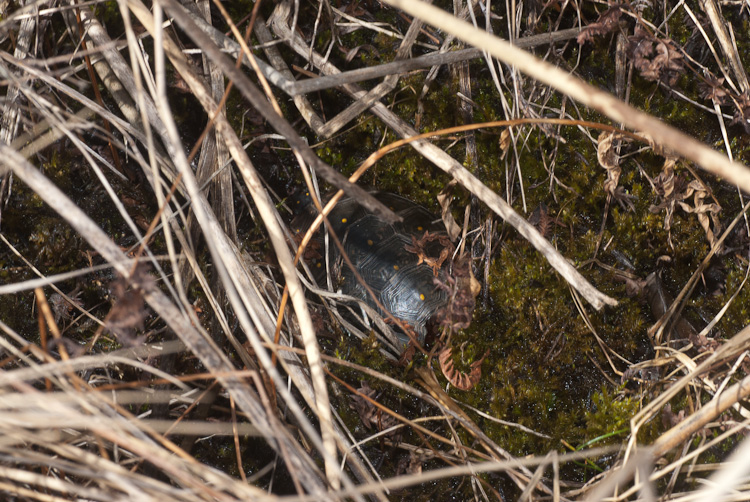
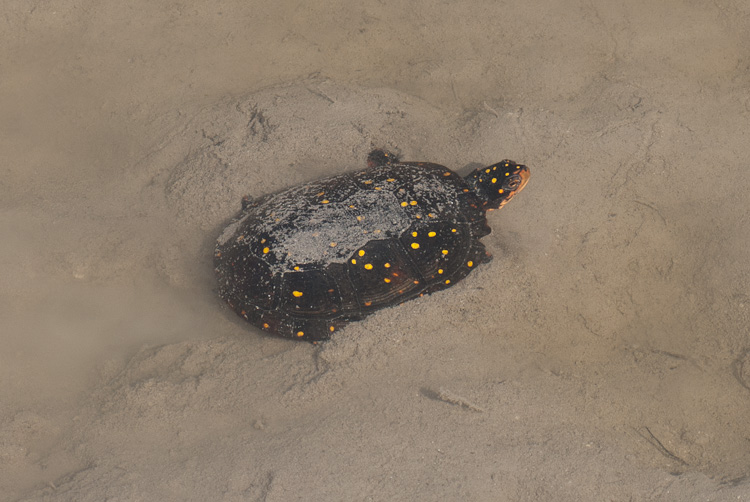
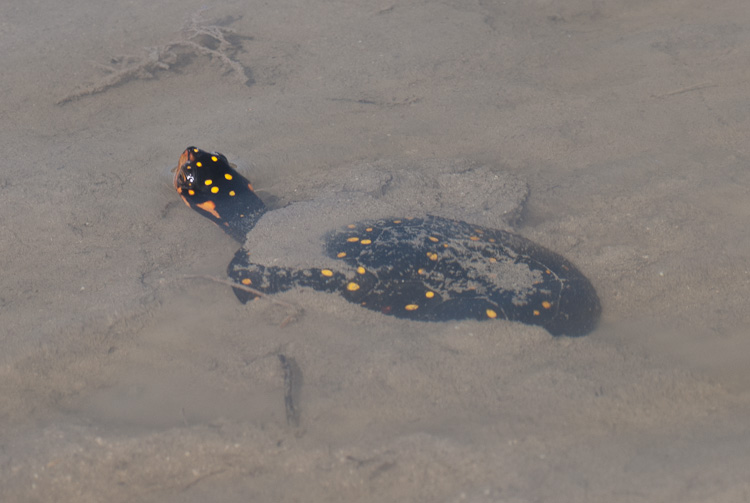
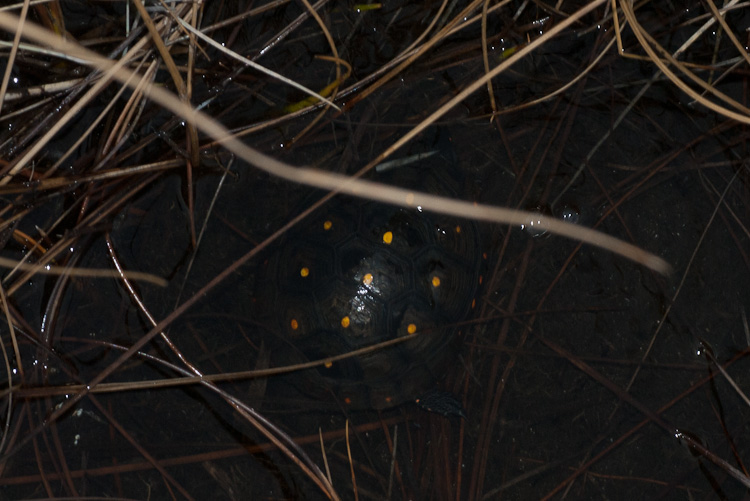
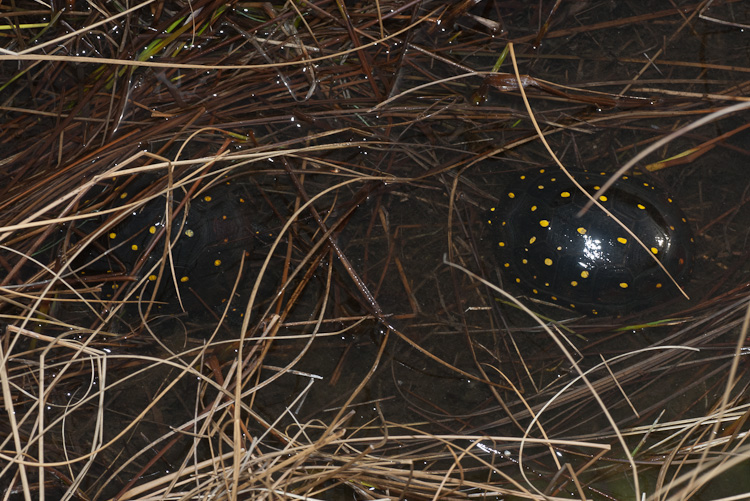
The next day I made a trip a little farther away to try and locate a species that had thus far eluded me in Michigan - the spotted turtle. Cid and I headed out bright and early, picked up another companion, David, on the way and we pulled up to the spot midmorning. The fen was already alive with frog calls and it only took 5 minutes before I heard David call out that he had the first spotted turtle of the day. All of the pictures will show the animals in situ in an attempt to showcase this colorful turtles remarkable camouflage ability.

Spotted Turtle Clemmys guttata


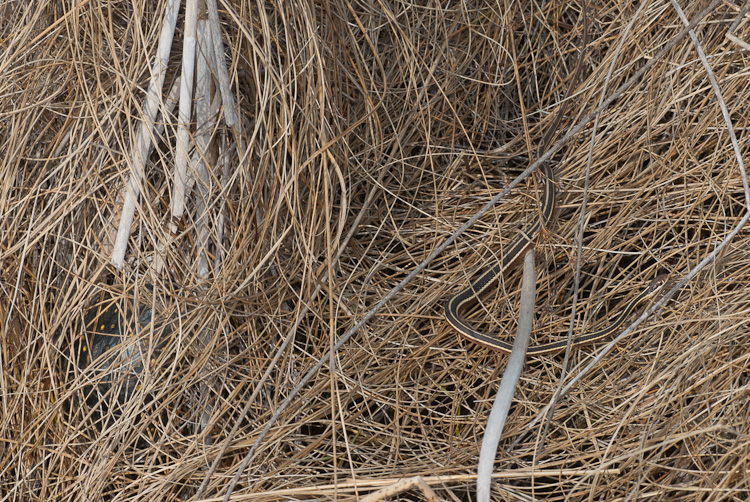
David quickly mentioned he had another one as well, and this had a neighboring ribbon snake. Both are photographed as found.


I found the next two, including this juvenile from last year.


Another couple turtle lovers joined us and we found a few more before calling it a day, with a total of 8 turtles.


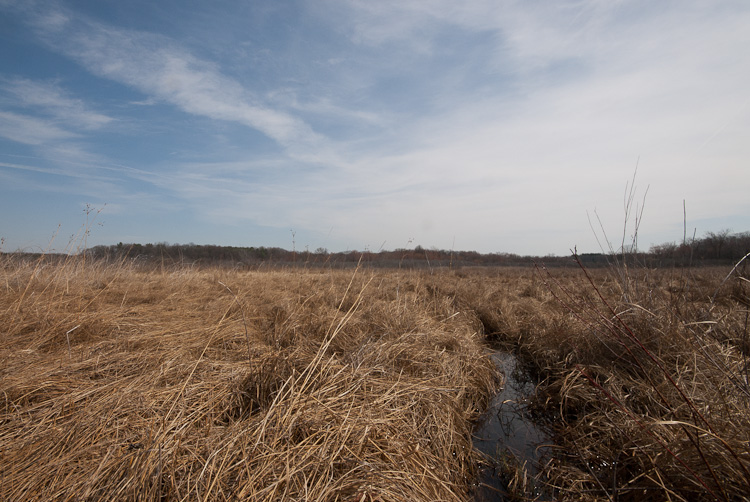
Some habitat of the fen.


We chatted for a while before moving to the next spot. David and I moved farther away to another fen, but our partners stayed local. Both groups ended up finding a bunch more turtles.

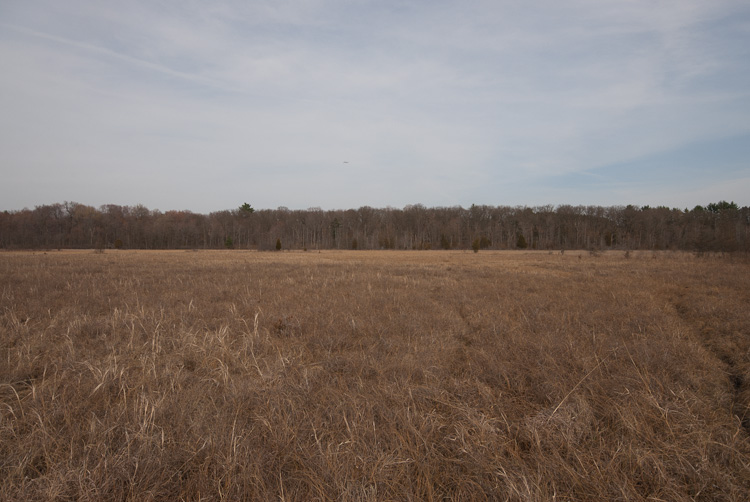
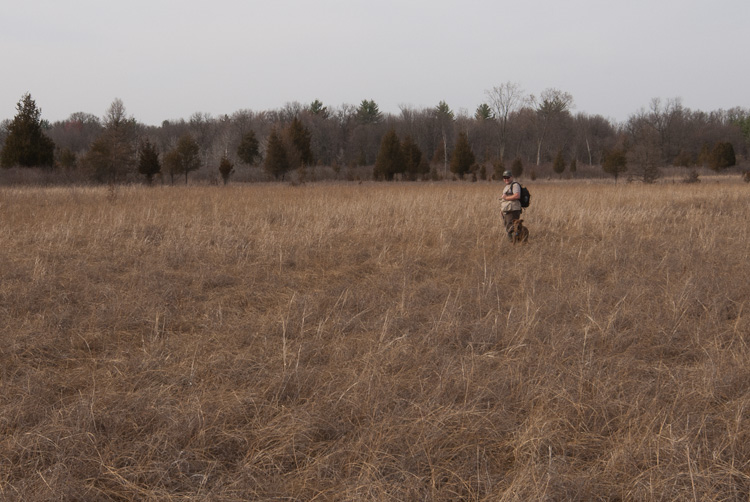
The new fen


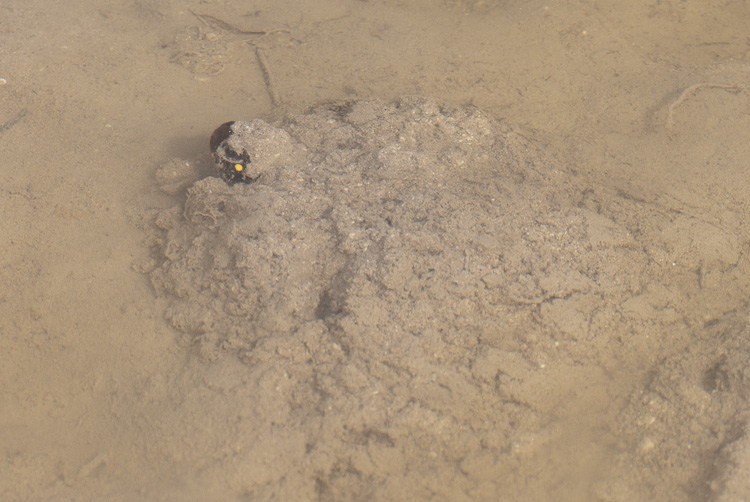
It took about 15 minutes this time but I managed to come up on a pair of spotteds mating. The broke apart quickly and dug into the sand.


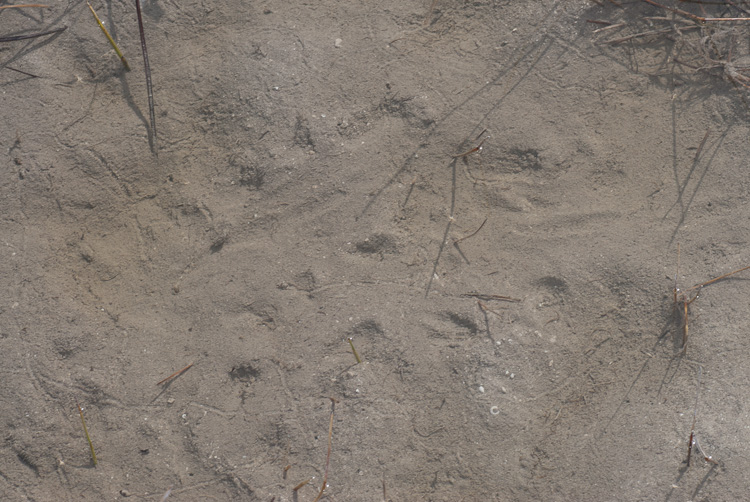
There were tracks in the marl sand.


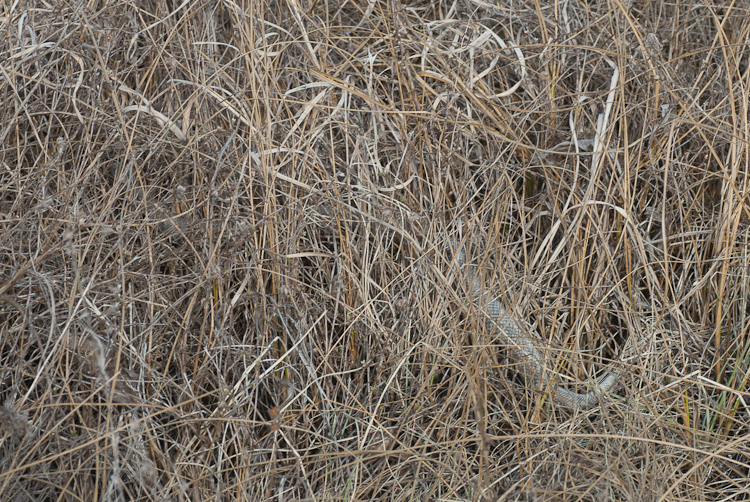
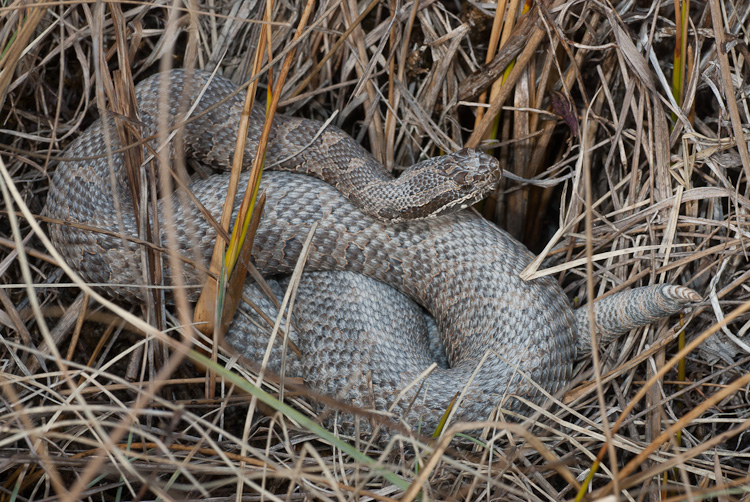
A third turtle, not shown here, was later spotted checking us out nearby. We started to move on again. I was hiking a small run with Cid following commands well and staying at my close rear. Like many times before I heard a faint buzzing a little behind me. Unlike all those other times before, this actually was a rattlesnake. The first Massasauga that gave up cover by rattling.

Eastern Massasauga Rattlesnake Sistrurus catenatus as found


Straight out of the burrow likely


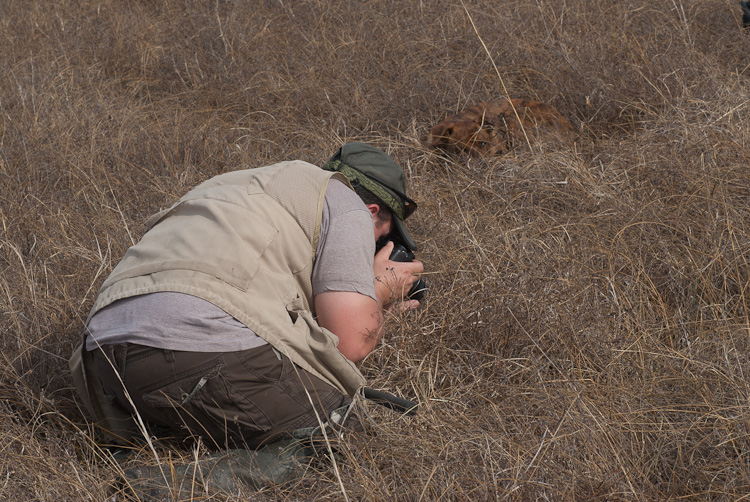
Cid as always was an angel, and laid down for a nap during the photo shoot. It's hard work being a good field dog.


We split up again and found another small spotted a little bit away.

As found in the run.


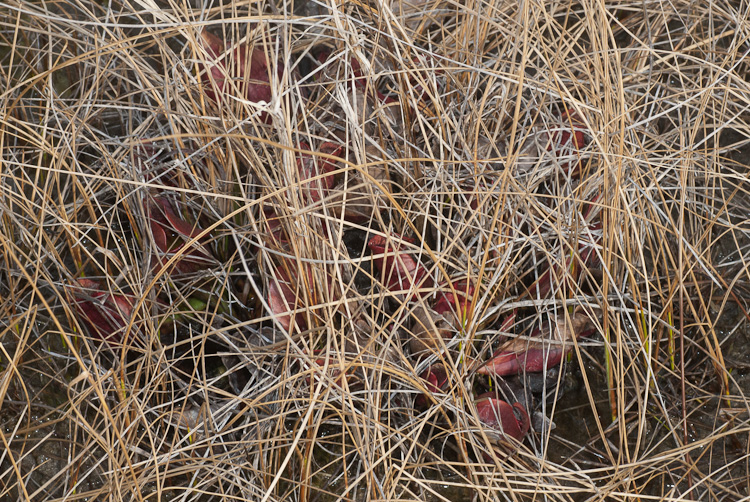
I had kept my eyes out for carniverous plants all day, and I finally found a few pitcher plants.

Sarracenia purpurea


I noticed David was photographing something down low in the brush. It took me a while to get over there, and evidently I missed a prolonged courting show. I managed to snag a shot of the two lovebirds before they finally disappeared in the grass.


It was a fitting end to a great day. We also spent some time poking around an ephemeral pond on the hike out, but weren't able to turn up evidence of salamanders.